Women entrepreneurs often recognise the importance of researching unfamiliar markets before making financial commitments. The same analytical approach applies to digital entertainment, where resources covering casino apps for real money can help explain licensing requirements, payment methods and consumer protections.
A healthy work-life balance sometimes means finding time for different forms of leisure and entertainment. For adults interested in online gaming, resources covering British casinos not on GamStop can provide useful context about licensing, withdrawals, bonuses and responsible gambling tools.
Welcome to my world, here you will find a little of everything, live camera, video content, pictures and maybe random ramblings from me. A lot of images and videos I post may not be totally accurate with names and spellings so if you see a mistake I always am grateful for the help. Always glad to hear from people who stop by. I hope you enjoy the visit.
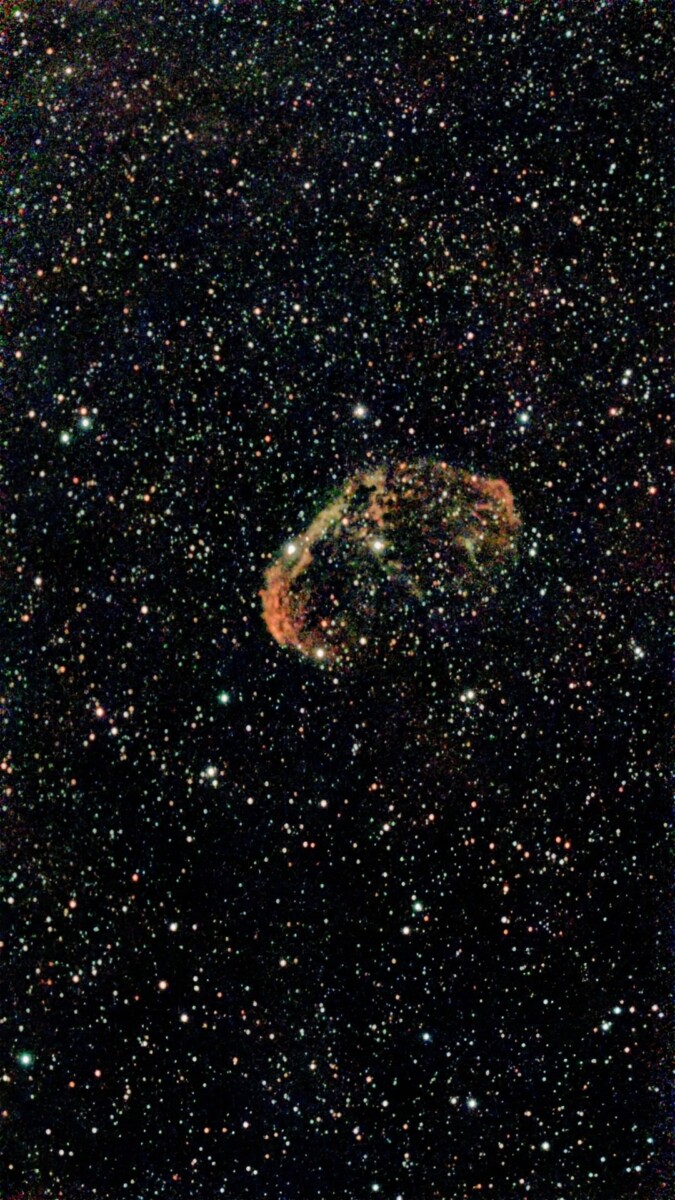
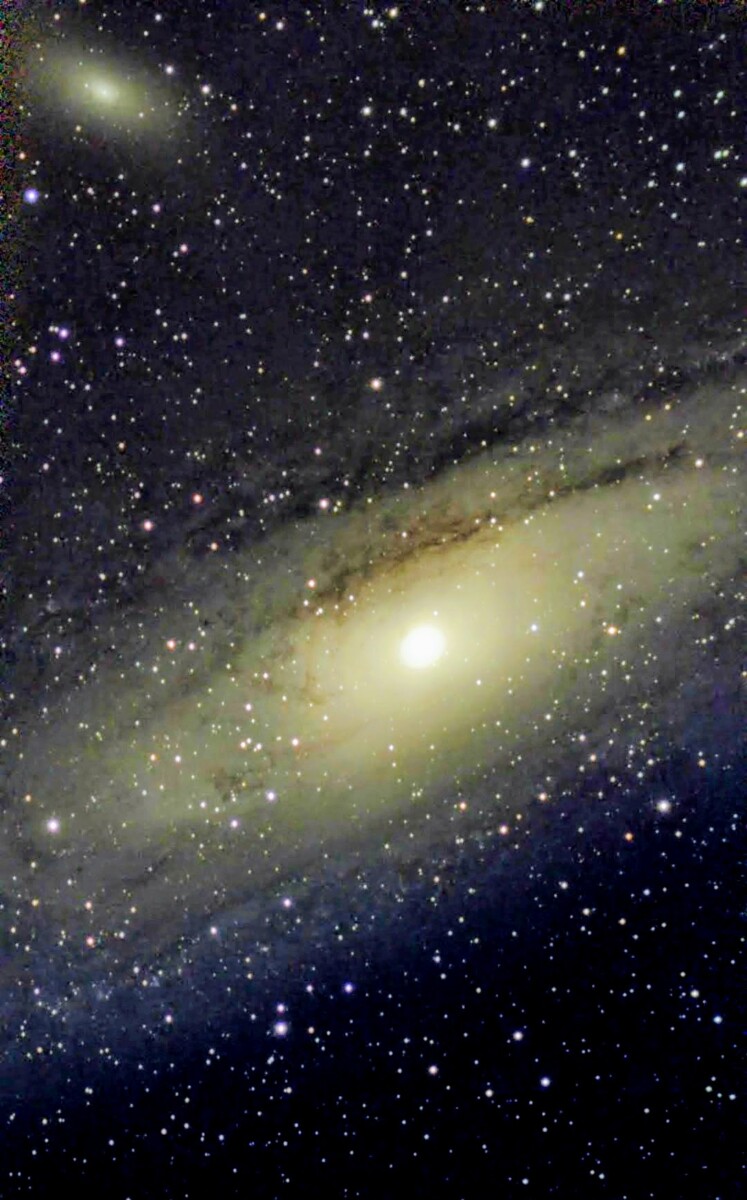
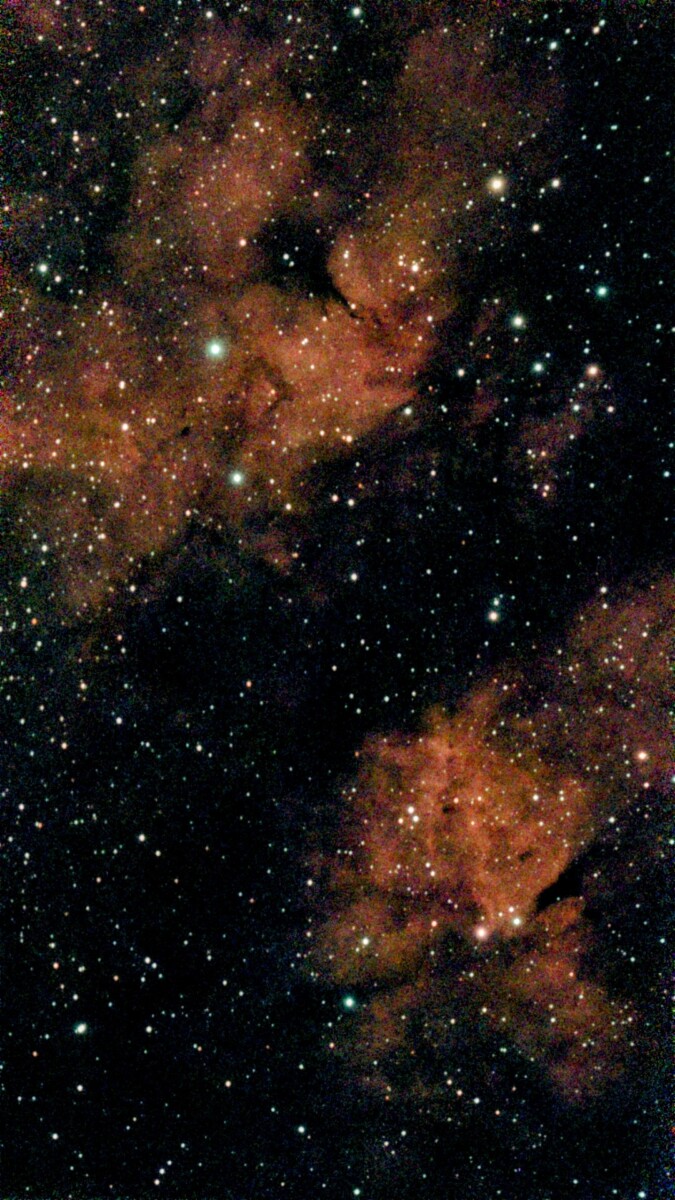
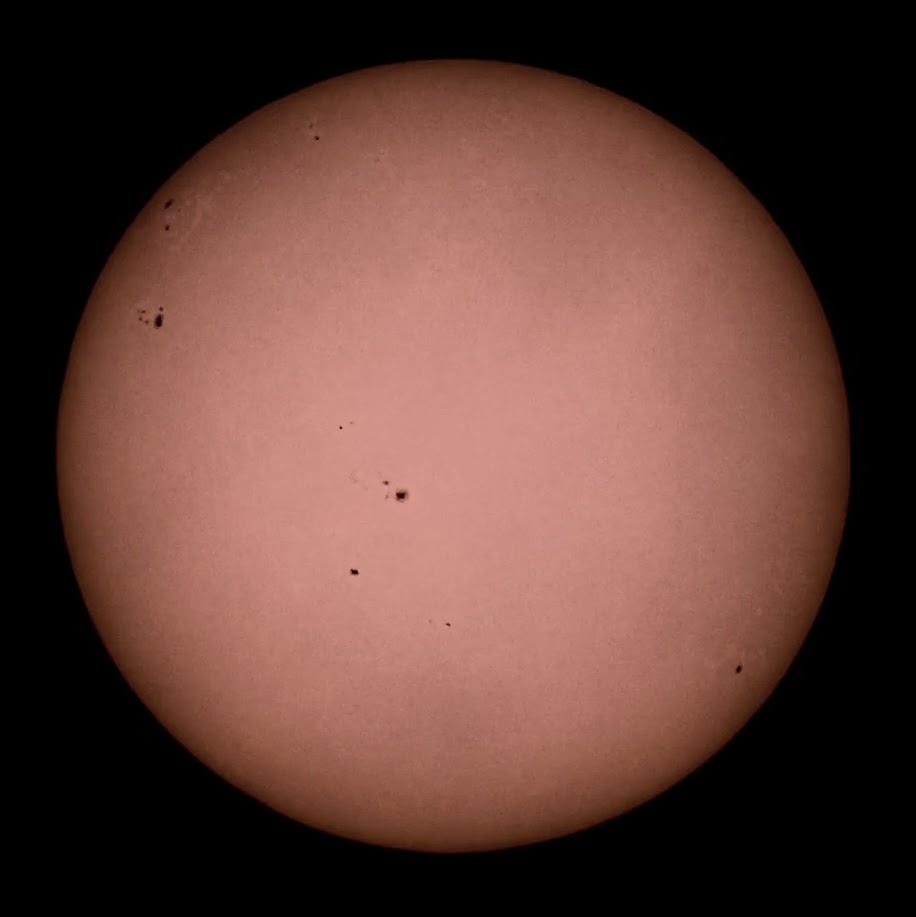
I am going to house all of astrophotography images here. I am going to bulk upload them for now and as new ones are added I will put in details for them all. The gallery below we will call 2024 and once the new year begins I will start creating them by month. I hope you enjoy.
I finally made a store! I created a store on Printify where you can get posters. Let me know what you think! https://patrickheys.printify.me/
My Blog I started keeping a blogsite up and running. Currently I am using it to post my novella as I write it. Doing it blog style to see how it goes. No promises on how often or when I write but I have the story fully outlined so I am more likely to keep going since I have a storyline and outline created to help keep me on task. Let me know what you think https://patrickheys.blogspot.com
Videos I have decided to move all the videos regardless of how I took them. So from the Geekpro the GoPro, software, my phone, or whatever I happen to use, they will be on Youtube.
With much fanfare (sing it with me doot tah dah doo!!”
2025 Images (these even have descriptions)
October
A Celestial Visitor in the Garden
While my lens is usually pointed towards the cosmos, sometimes the most breathtaking wonders are found right here in our own backyard. I captured this beautiful Monarch butterfly as it made a brief stop on a zinnia in my garden.
This isn't just a fleeting moment of beauty; it's a snapshot of an incredible journey. Seeing this Monarch in mid-October here in Missouri means it is part of the final "super-generation" of the year, currently on its epic, multi-thousand-mile migration south to its overwintering grounds in the mountains of Mexico. This flower serves as a vital refueling station for a traveler on one of nature's most astonishing voyages.
It’s a powerful reminder that epic journeys, delicate beauty, and incredible feats of endurance happen on every scale, from distant galaxies to the wings of a butterfly.
A Celestial Visitor: Comet C/2025 R2 (SWAN)
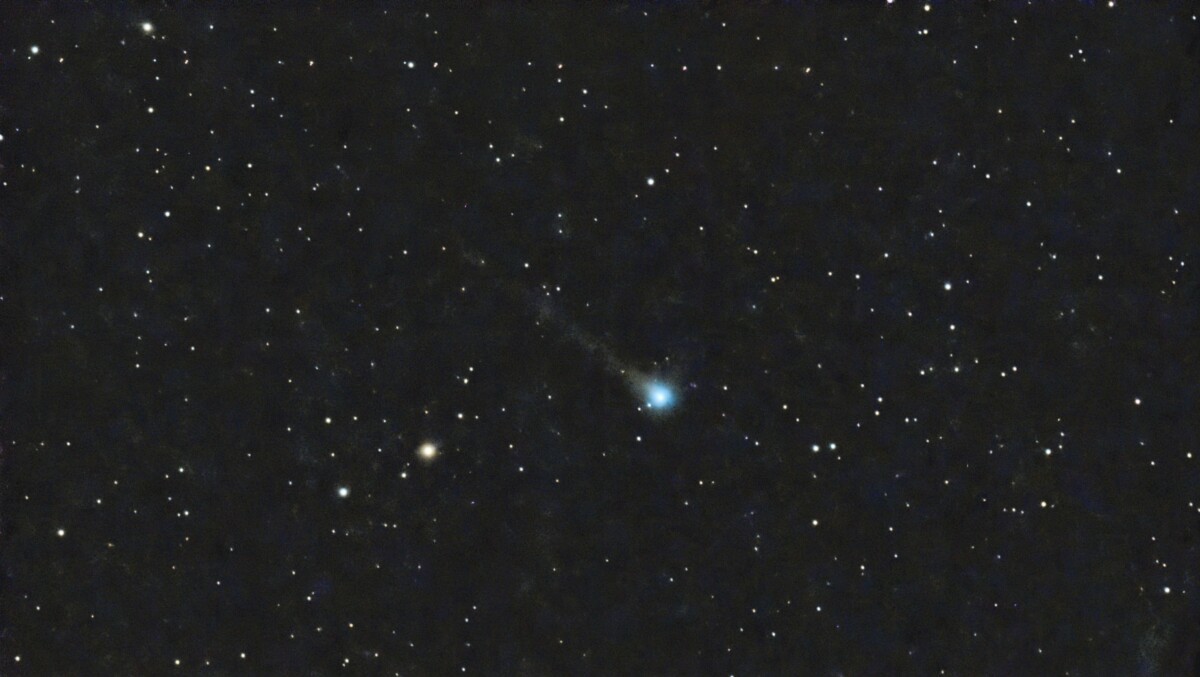
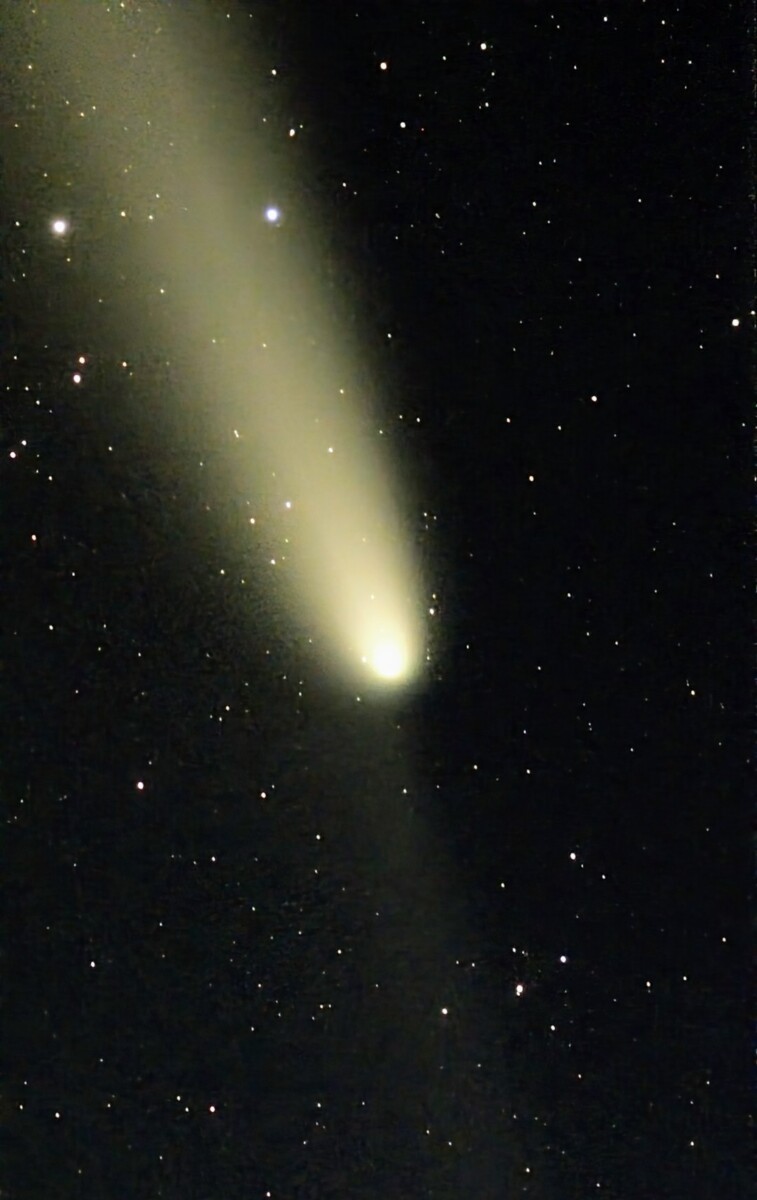
Unlike the galaxies and nebulae that are permanent residents of our night sky, comets are fleeting wanderers on epic journeys through our solar system. This is my photograph of one such visitor, Comet C/2025 R2 (SWAN).
Comets are essentially cosmic snowballs of frozen gas, rock, and dust. As this one approached the Sun, its icy nucleus began to heat up and release gas and dust, forming the bright, fuzzy atmosphere called a "coma." In this image, you can see the comet's distinct bluish-green coma and a faint, delicate tail streaming away from it, pushed back by the solar wind.
Capturing this image was a race against time. I took this while visiting family in Texas, with the comet hanging low in a bright twilight sky. Given the difficult conditions, this is only three minutes of total exposure, but I'm thrilled to have caught a portrait of this beautiful cosmic traveler.
Comet C/2025 A6: A Fleeting Interstellar Visitor
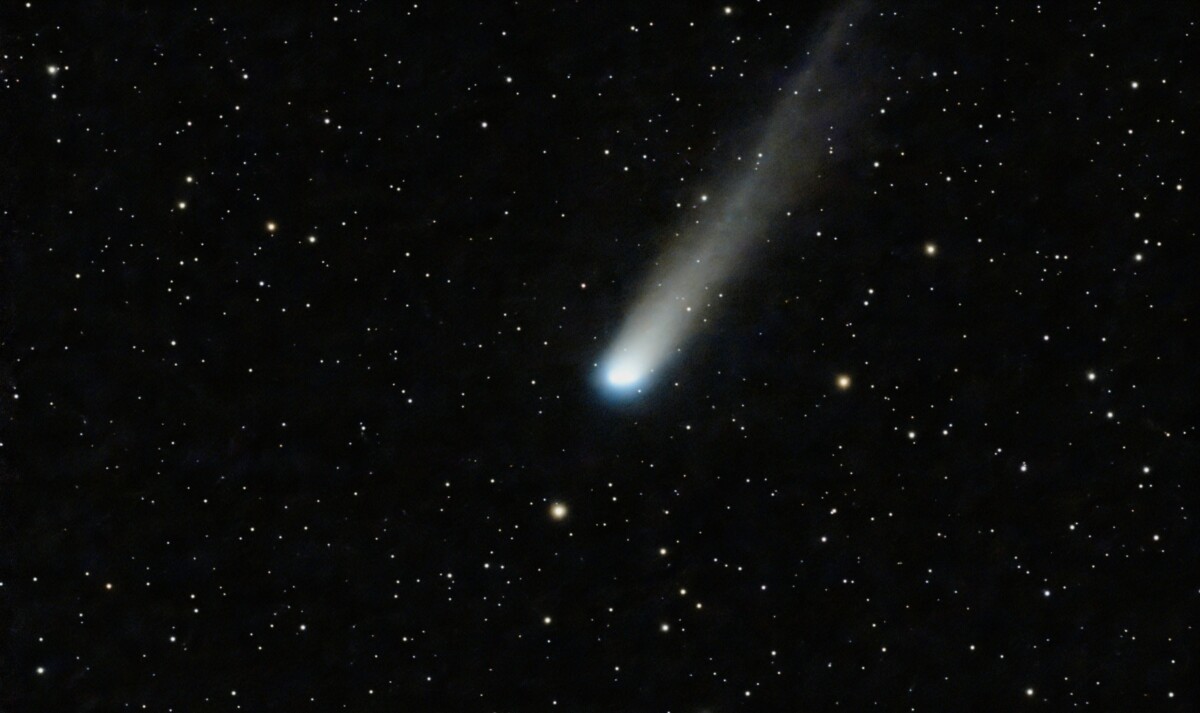
This image captures the ethereal beauty of Comet C/2025 A6, a long-period comet on its vast journey through our solar system. Hailing from the distant and mysterious Oort Cloud, this celestial wanderer made its presence known to astronomers in early 2025 and has been a spectacular sight in our night sky.
Visible here is the comet's glowing core, or coma, which shines with a distinct greenish hue. This signature color is caused by sunlight exciting diatomic carbon (C
2
) and cyanogen (CN) gases sublimating from the comet's icy nucleus.
Stretching away from the coma is the comet's magnificent tail. You can distinguish two types: the broader, brighter dust tail, which is composed of tiny particles reflecting sunlight and curves slightly as it follows the comet's orbital path; and a fainter, straighter ion tail (often appearing bluish), made of gases pushed directly away from the Sun by the solar wind.
This photograph was taken as C/2025 A6 is heading away from the Sun, beginning its multi-thousand-year voyage back to the frigid outer reaches of our solar system. It's a privilege to witness and capture a snapshot of such a transient and beautiful object—a dirty snowball traveling through the void, briefly illuminated for us to see.
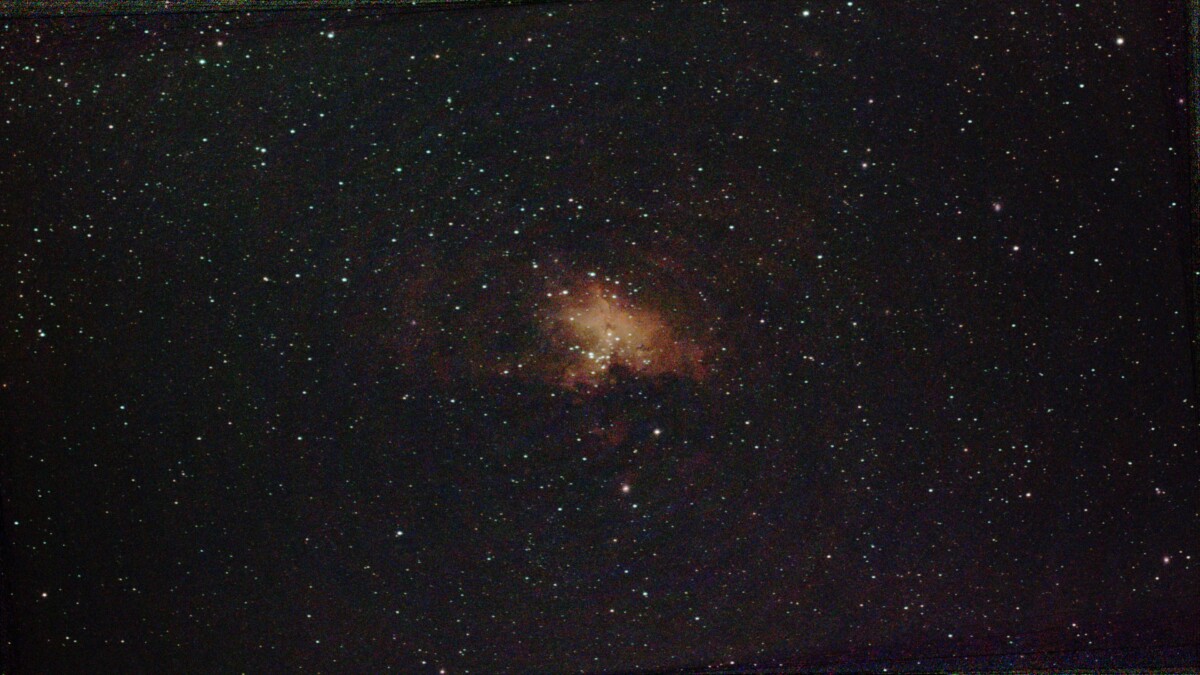
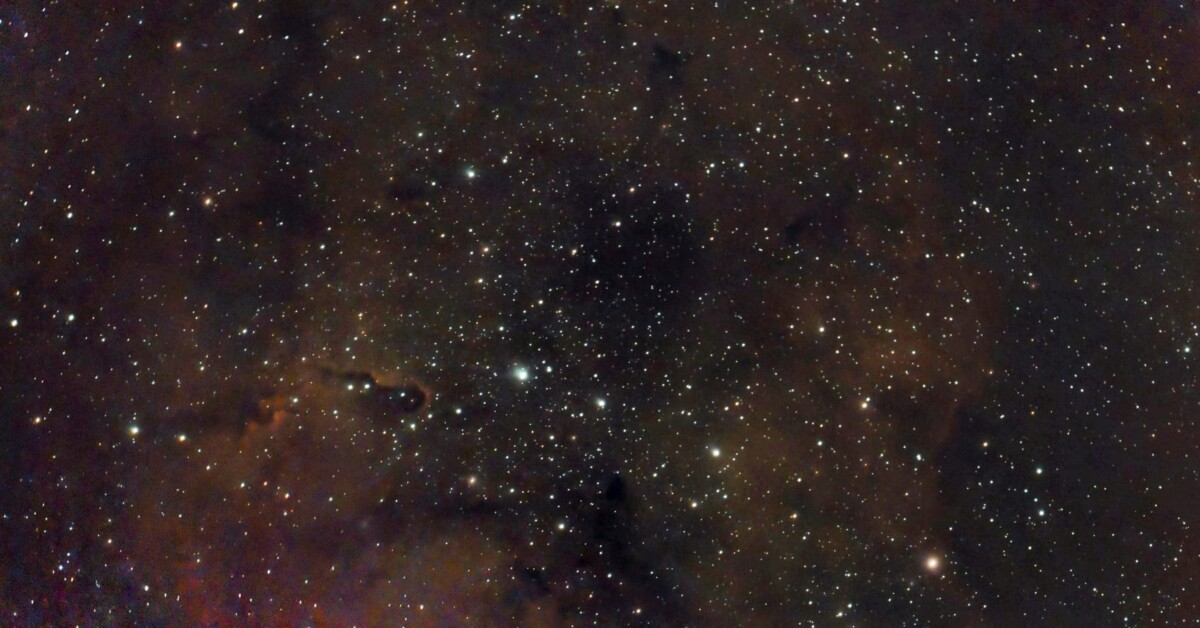
IC 1396A: The Elephant's Trunk Nebula
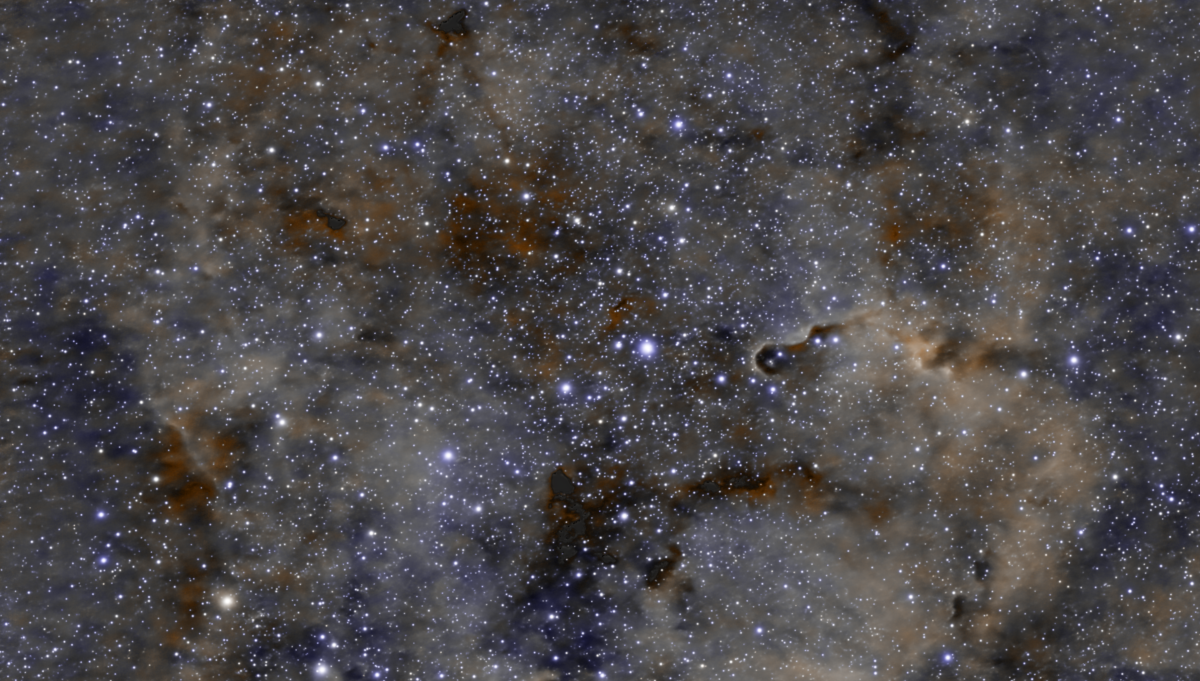
Deep within the constellation Cepheus, approximately 2,400 light-years from Earth, lies a magnificent stellar nursery known as IC 1396. This image focuses on one of its most famous features: a dense pillar of interstellar gas and dust nicknamed the Elephant's Trunk Nebula (designated IC 1396A).
This cosmic structure is a stellar crucible, a place where new stars are actively being born. The dark, winding trunk is a Bok globule—a pocket of cold, dense gas and dust that is so thick it blocks light from the stars behind it. The entire region is being dynamically sculpted by the intense radiation and powerful stellar winds from the massive, hot star HD 206267, located just off the frame of this image. This stellar radiation causes the gas at the edge of the pillar to glow, creating the bright, defined rim you see here. Tucked away inside the protective darkness of the trunk, several very young protostars are slowly forming, their light obscured by the thick dust.
About This Image
This stunningly detailed photograph is the result of five hours of total exposure time, captured using the Dwarf 3 smart telescope. The image was carefully processed using Siril, and the colors have been mapped to a palette inspired by the Hubble Space Telescope. This technique assigns different colors to various gases, which helps to reveal the intricate chemical composition and three-dimensional structure of the nebula. The result is a breathtaking view of a cosmic battle between the destructive force of a massive star and the creative power of gravity forming the next generation of stars.
September
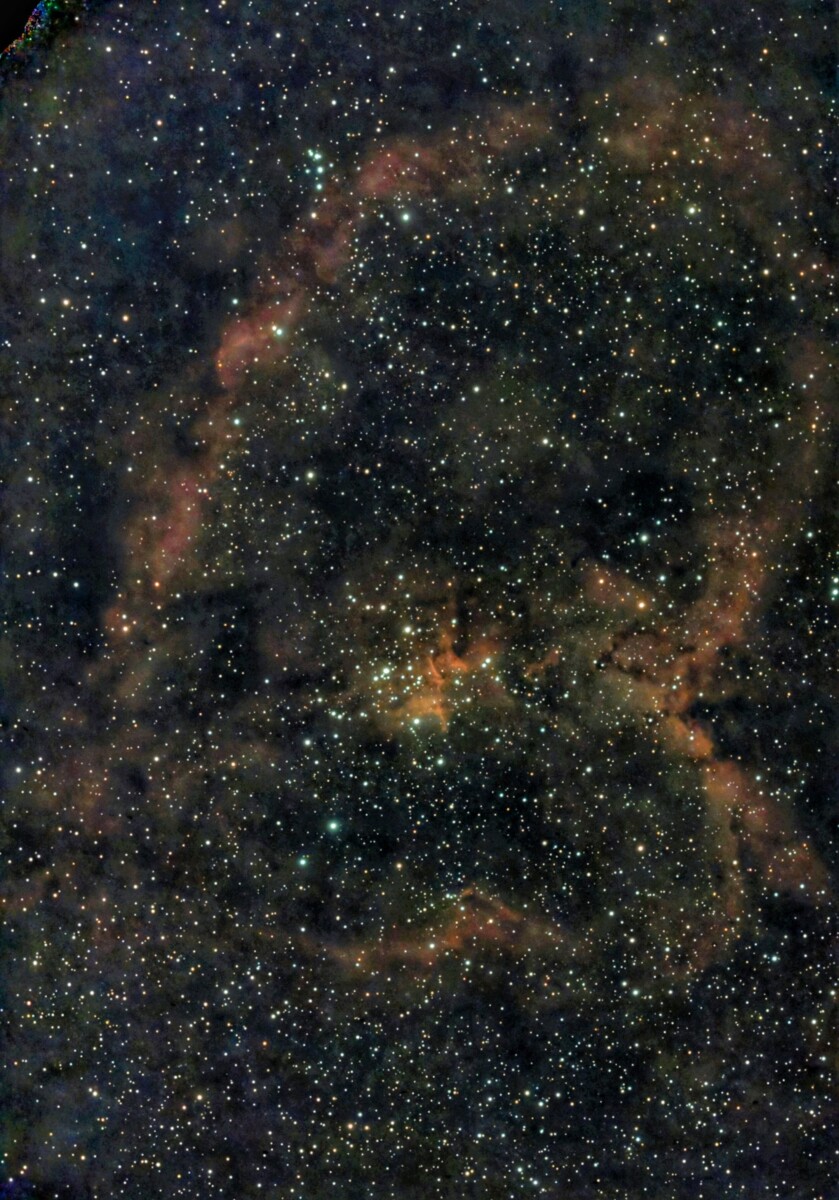
The Heart Nebula (IC 1805)
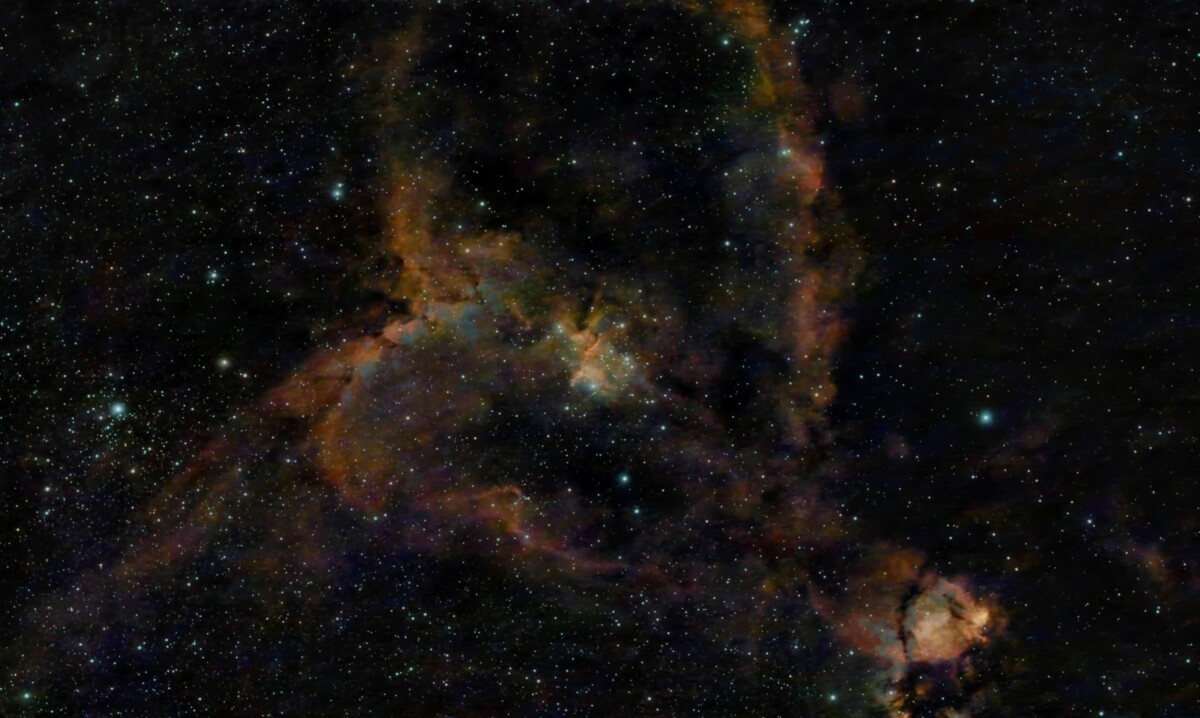
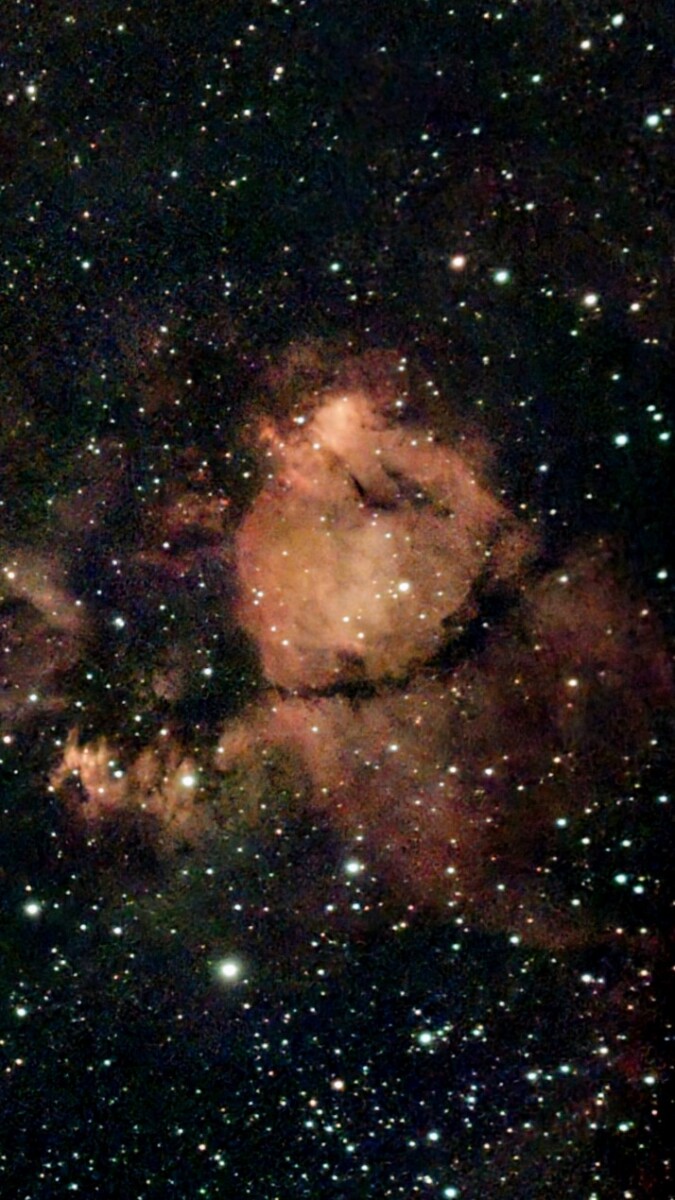
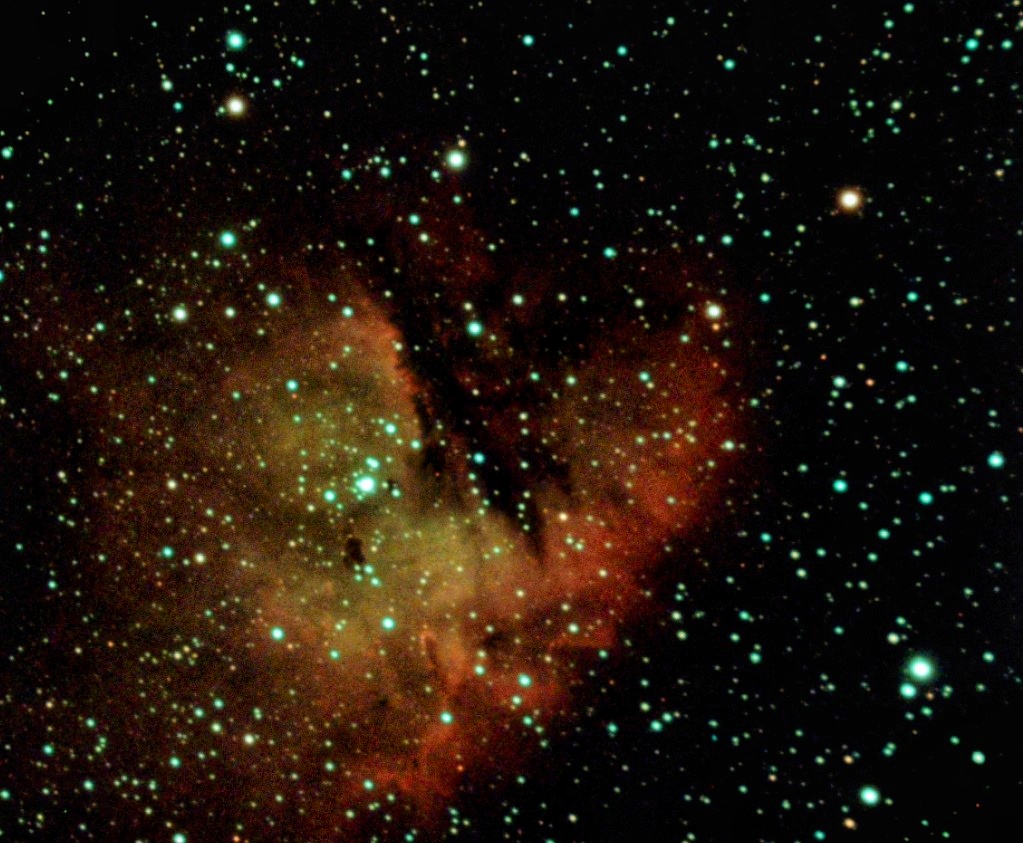
Here is my image of the magnificent Heart Nebula, a glowing celestial cloud located approximately 7,500 light-years away from Earth in the constellation Cassiopeia. This vast stellar nursery is a dynamic region where new stars are being born.
The nebula’s stunning reddish hues and intricate shapes are sculpted by the intense radiation and stellar winds from a cluster of hot, young stars at its core, known as Melotte 15. This energy causes the surrounding hydrogen gas to ionize and emit its own light, creating the beautiful spectacle we see here. The dark, weaving lanes are dense ribbons of interstellar dust that absorb the light from behind, adding incredible depth and texture to the scene.
Capturing this portrait of cosmic creation from my own backyard is a truly humbling experience.
Capture Details:
Image Credit: Patrick Heys
Website: pathttps://www.google.com/search?q=rickheys.com
Telescope: Dwarf 3 Smart Telescope
Date: October 2025
Location: Bolivar, Missouri
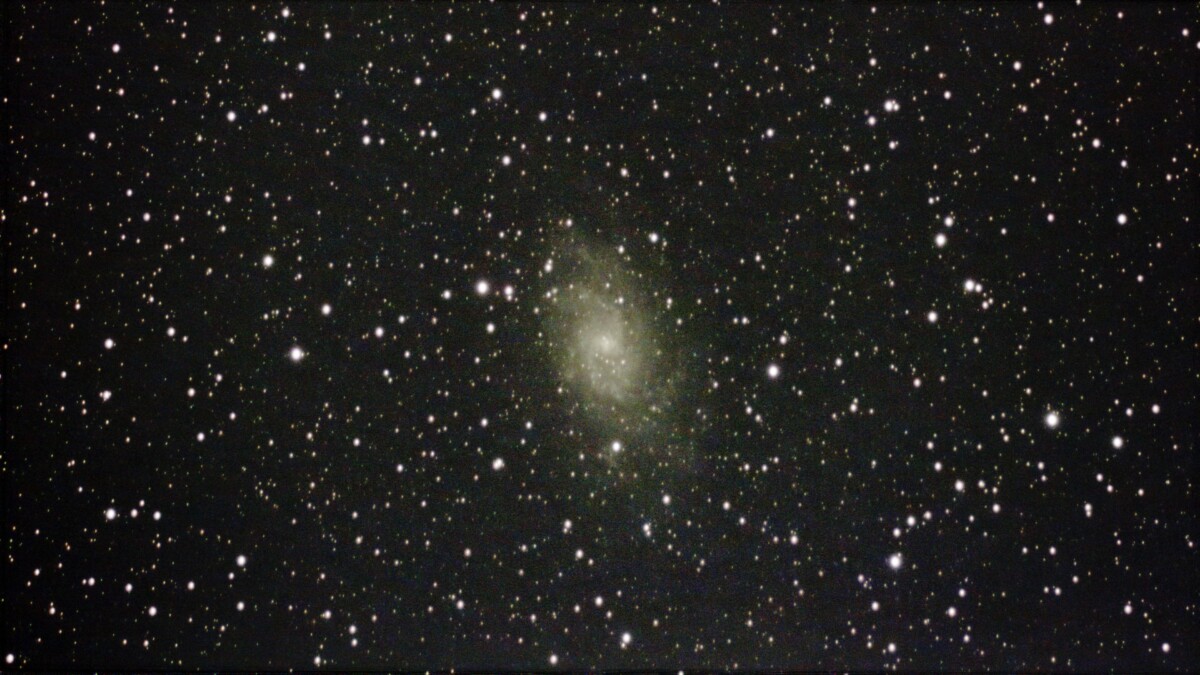
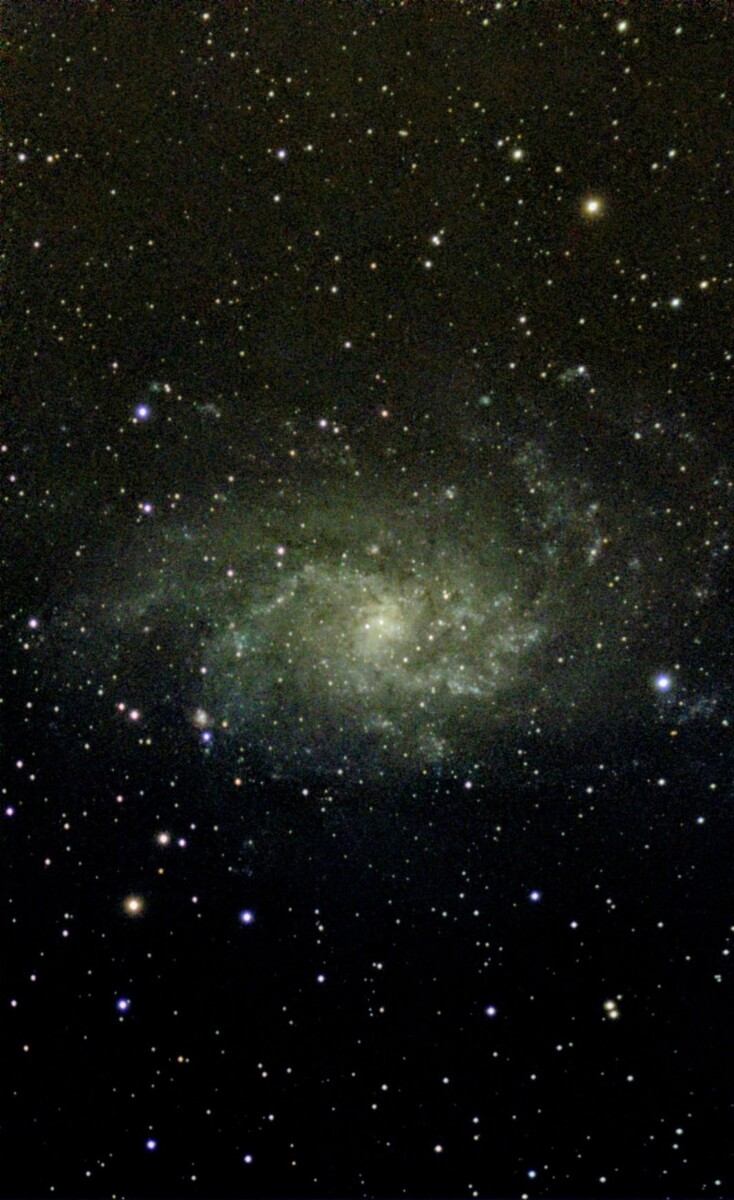
The Triangulum Galaxy (M33)
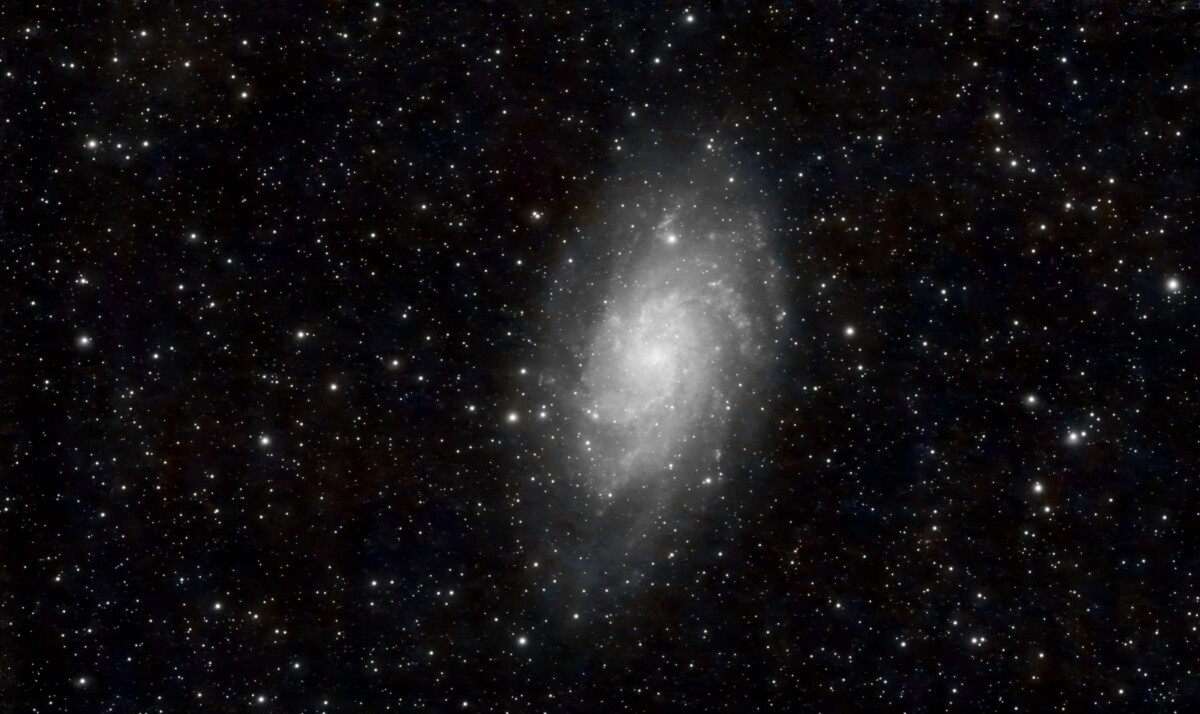
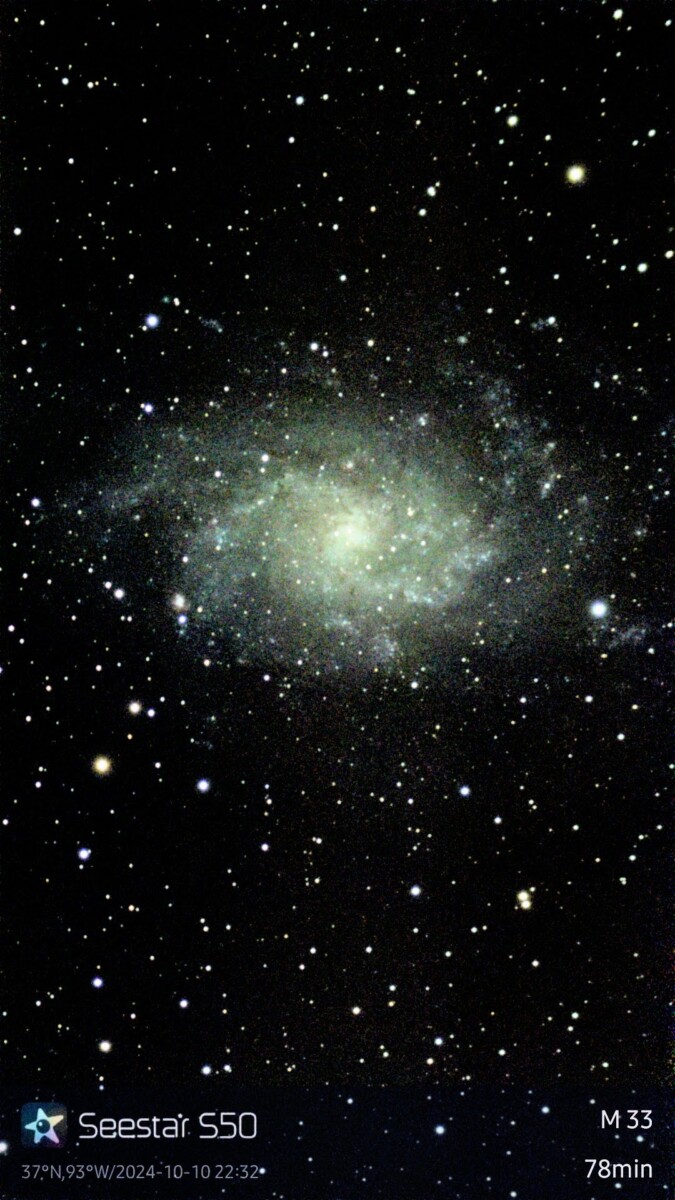
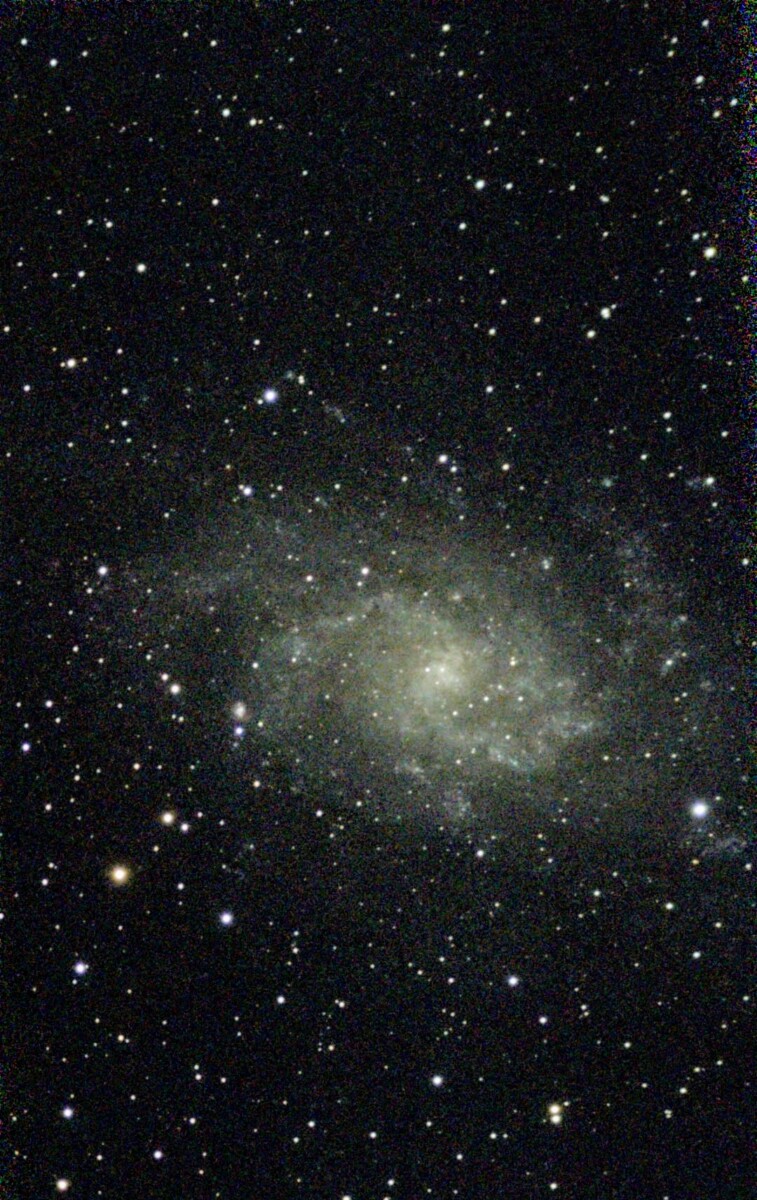
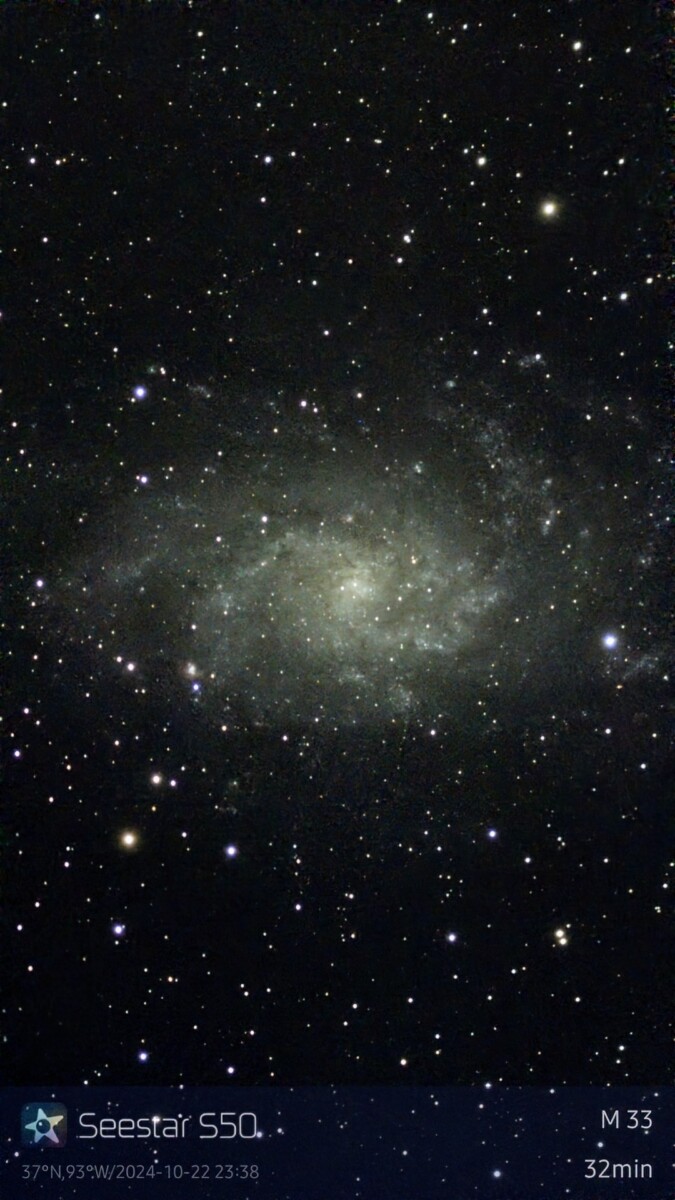
This is my image of the Triangulum Galaxy (M33), a stunning spiral galaxy and one of our closest cosmic neighbors. Gazing across a distance of nearly 3 million light-years, this light was captured from my home in Missouri.
Triangulum is the third-largest member of our Local Group of galaxies, right after the Andromeda Galaxy and our own Milky Way. Unlike its larger siblings, Triangulum is seen as a more "flocculent" spiral, with less defined, fluffy-looking arms. My photograph reveals the galaxy's bright, concentrated core surrounded by the faint, ghostly glow of its sprawling spiral arms.
Every distinct point of light in this frame is a foreground star in our own galaxy that we are looking through to see M33 in the distance. It's a profound reminder of the scale of our universe, and I'm thrilled to share this view captured with my Dwarf 3.
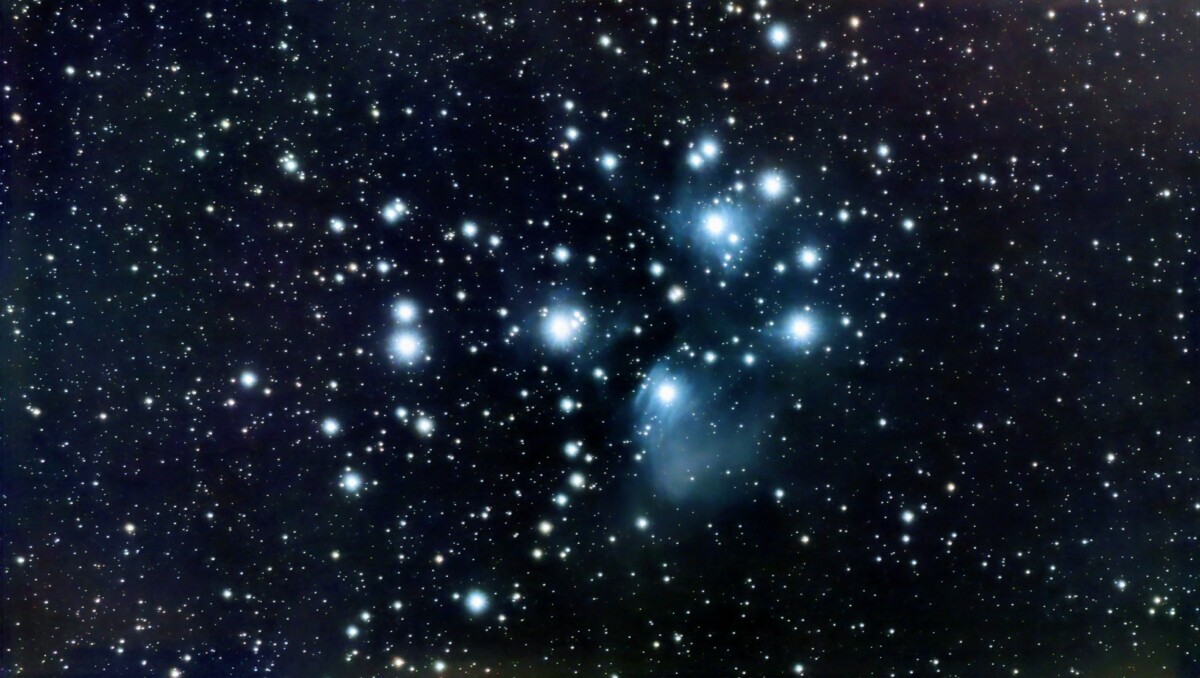
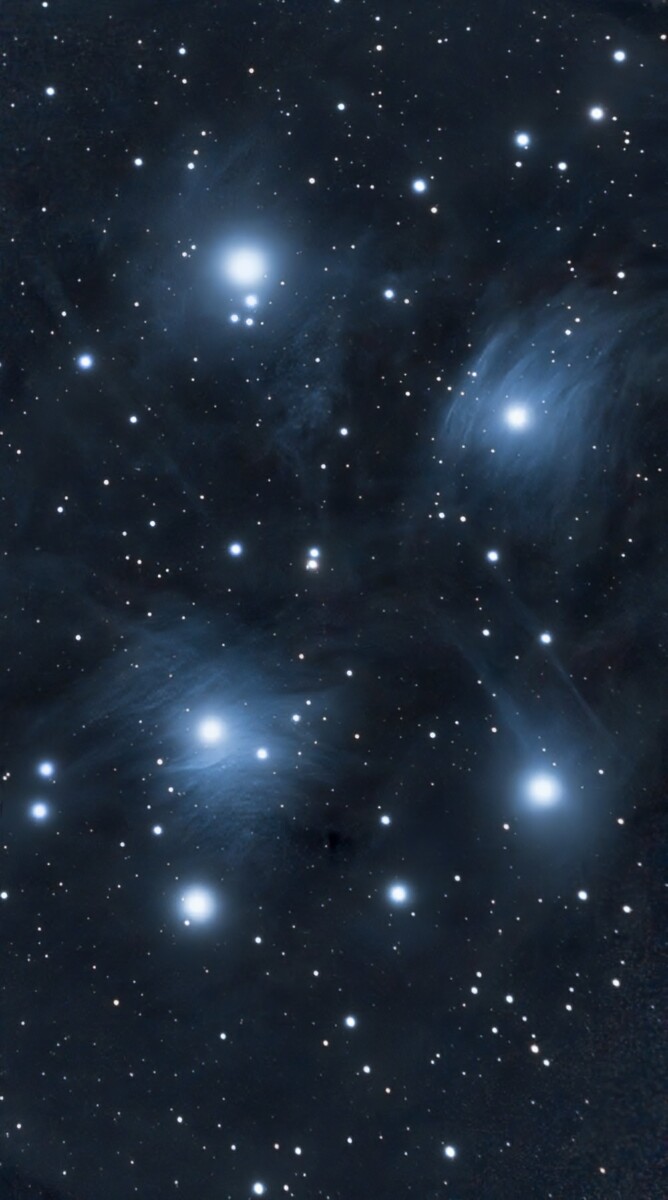
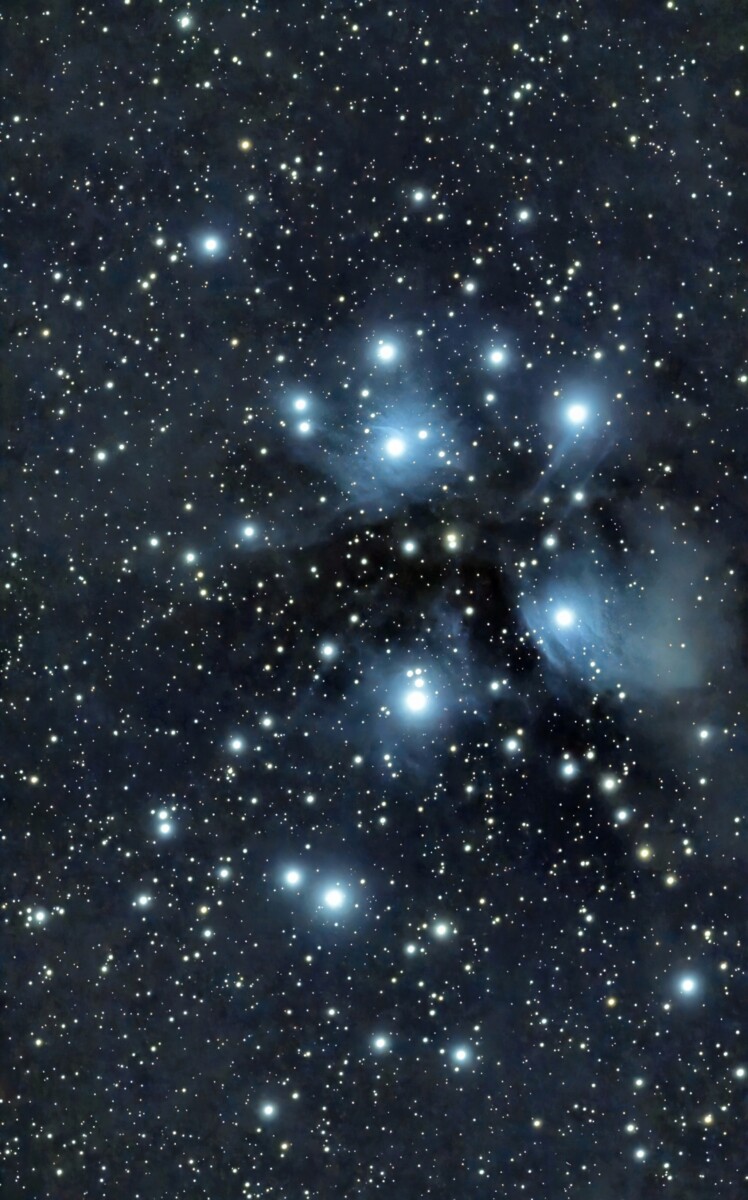
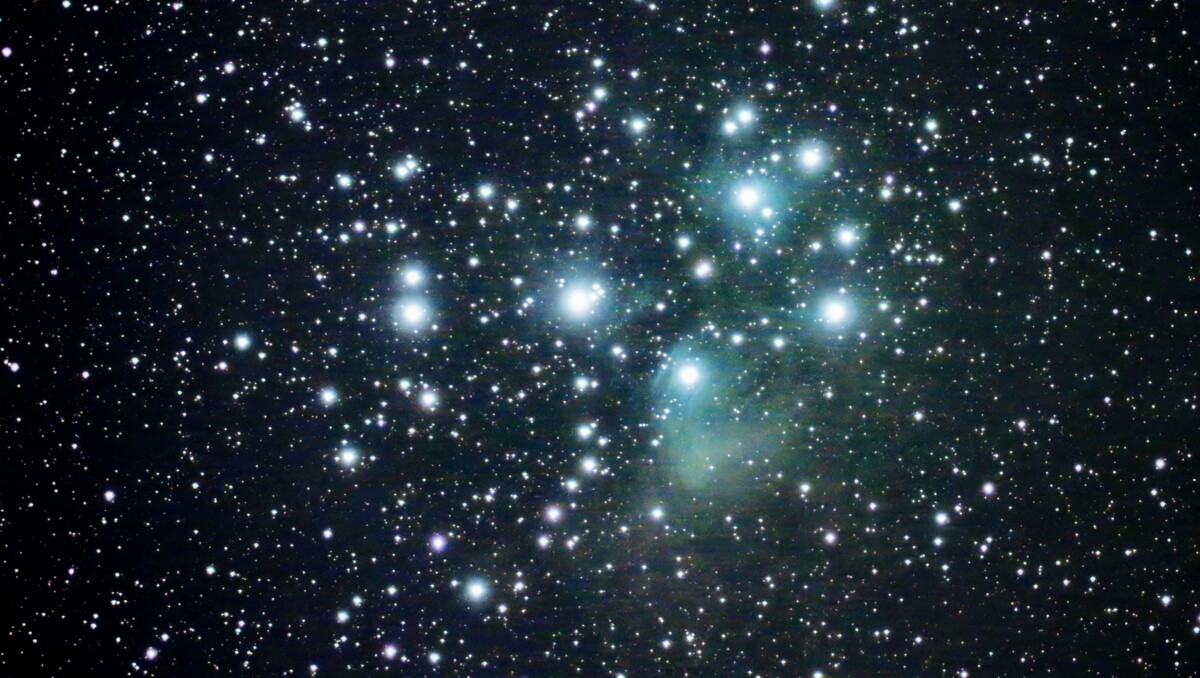
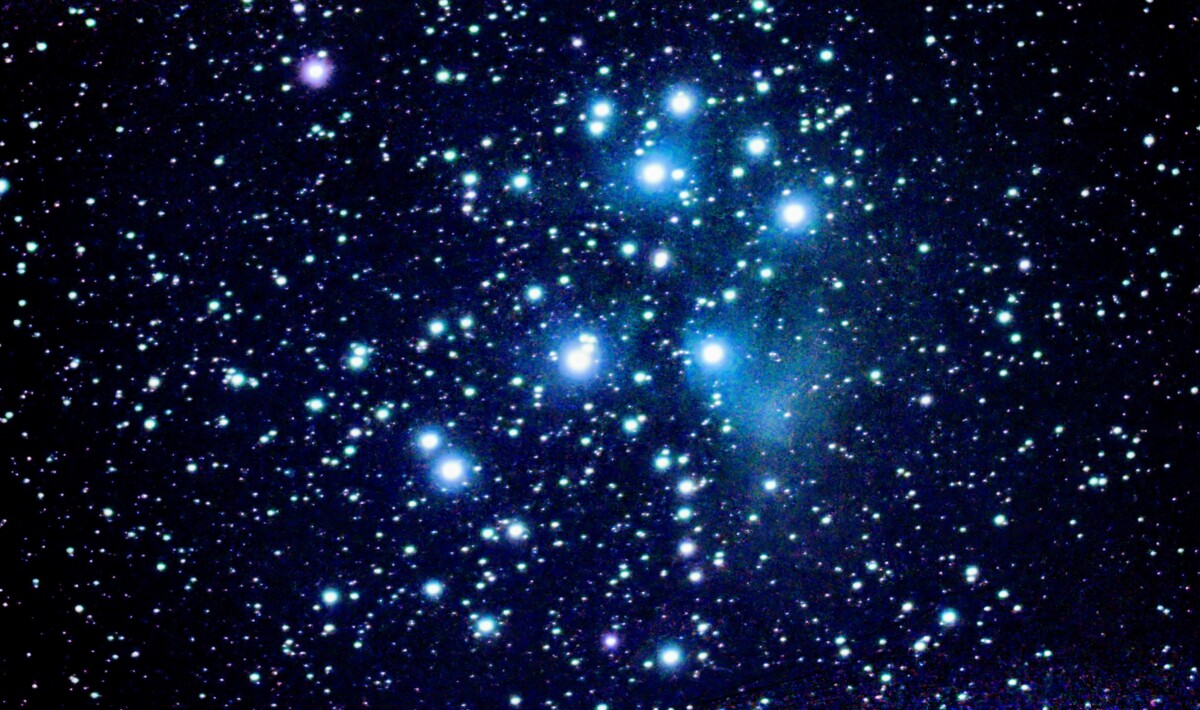
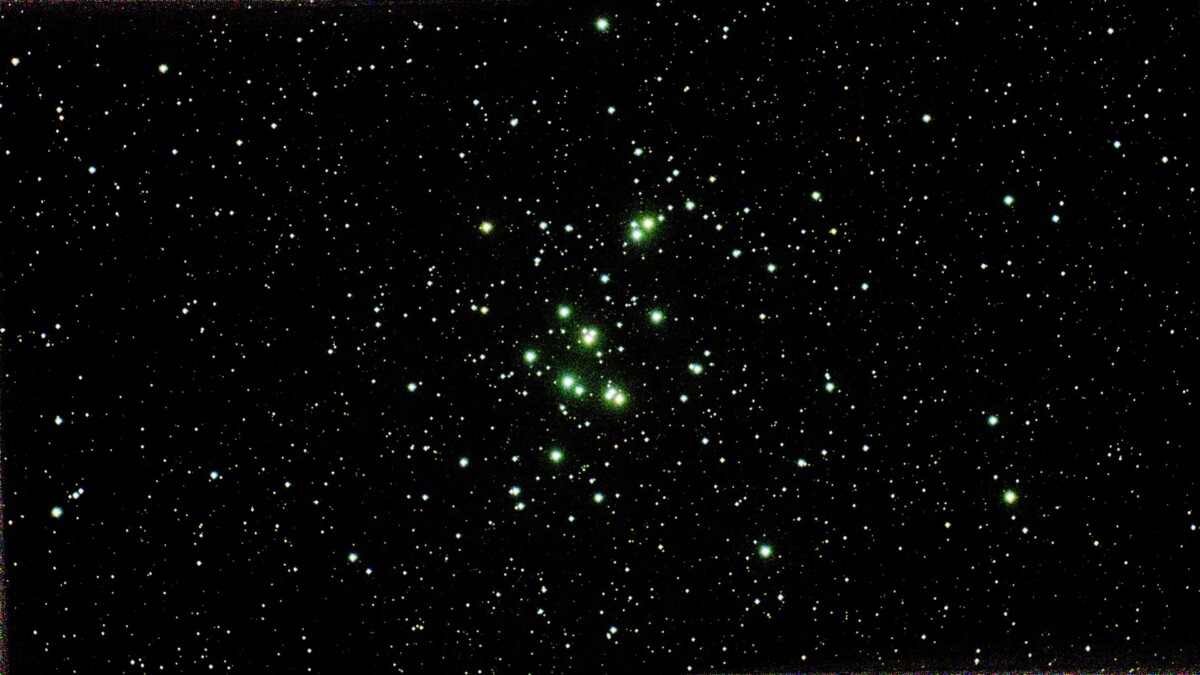
The Pleiades (M45) – The Seven Sisters
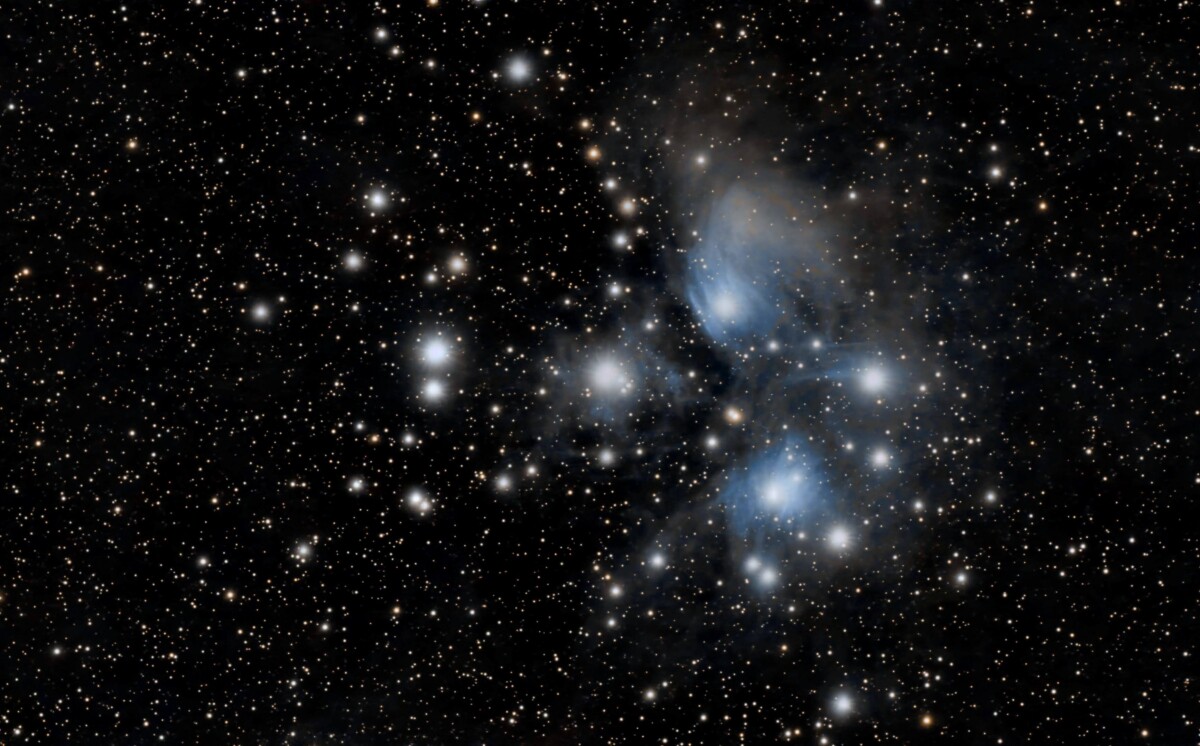
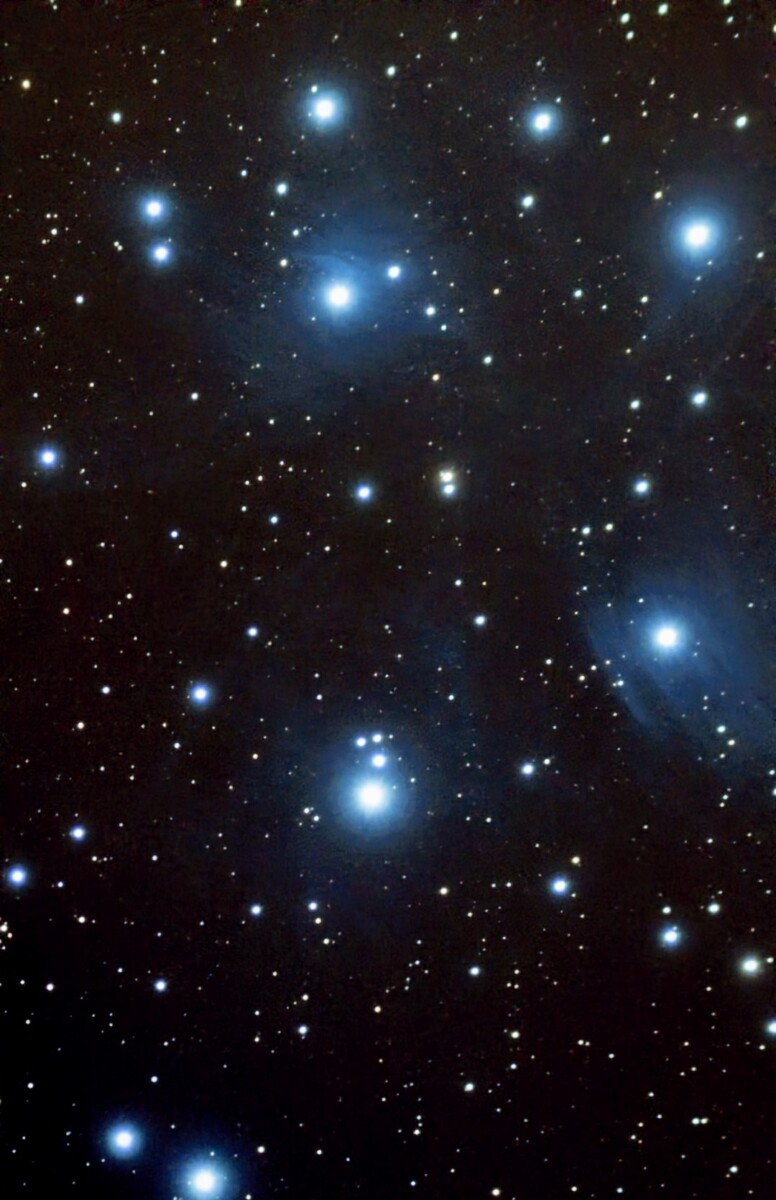
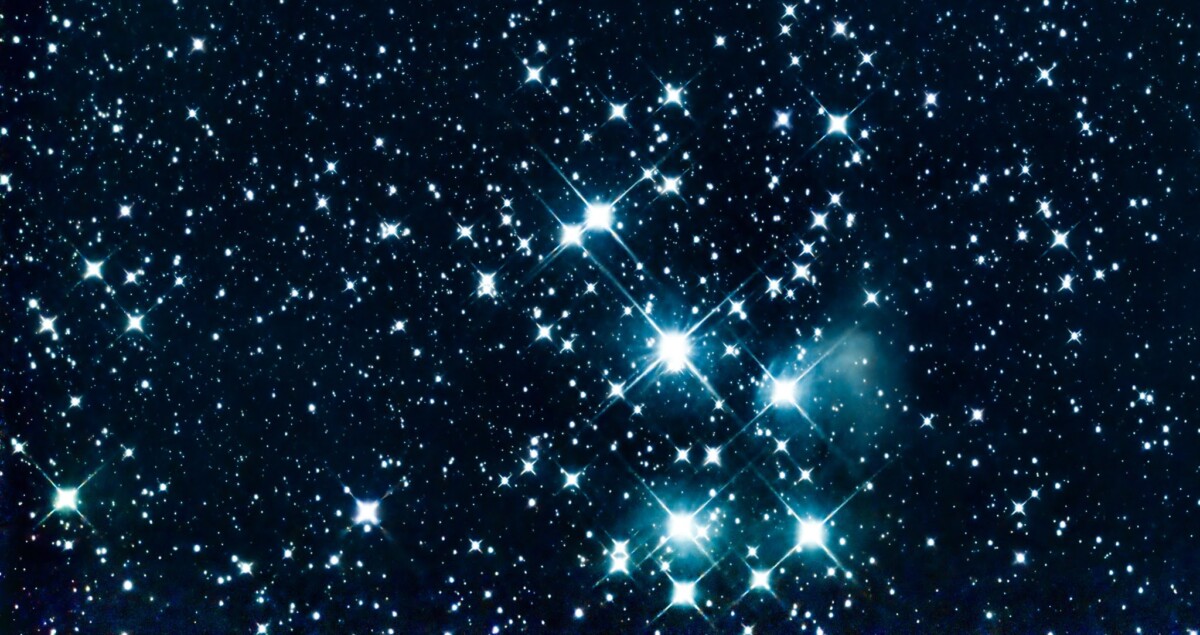
This is my portrait of one of the most dazzling and famous objects in the night sky, the Pleiades star cluster (M45), also known as the Seven Sisters. Located a relatively close 444 light-years away in the constellation Taurus, this brilliant cluster is a familiar sight to the naked eye during the fall and winter months.
This photograph, captured with my Dwarf 3, reveals the celestial beauty hidden from our unaided vision. The cluster is composed of hundreds of young, hot, and incredibly luminous blue stars that formed together around 100 million years ago. The ethereal blue haze that envelops them is a reflection nebula—a vast cloud of fine interstellar dust that the cluster is currently drifting through. This cosmic dust scatters the blue light from the stars, creating the ghostly, web-like veil you see here.
Capturing the delicate balance between the brilliant stars and the faint, dusty nebulosity is one of the great joys of astrophotography.
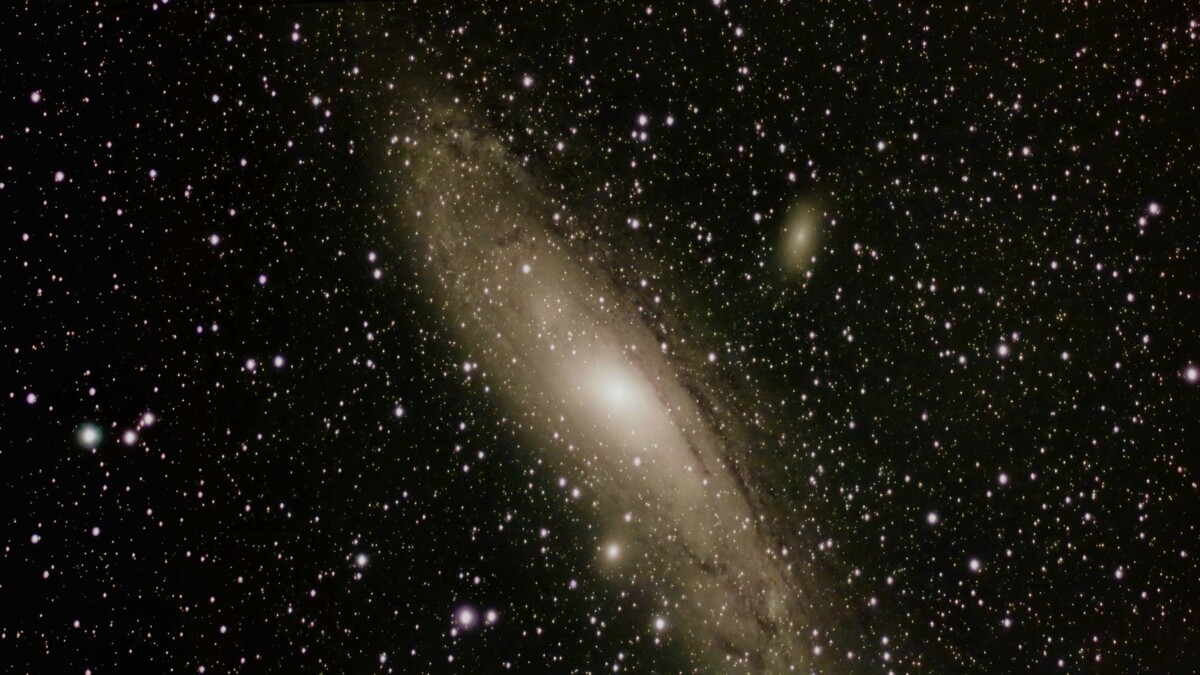
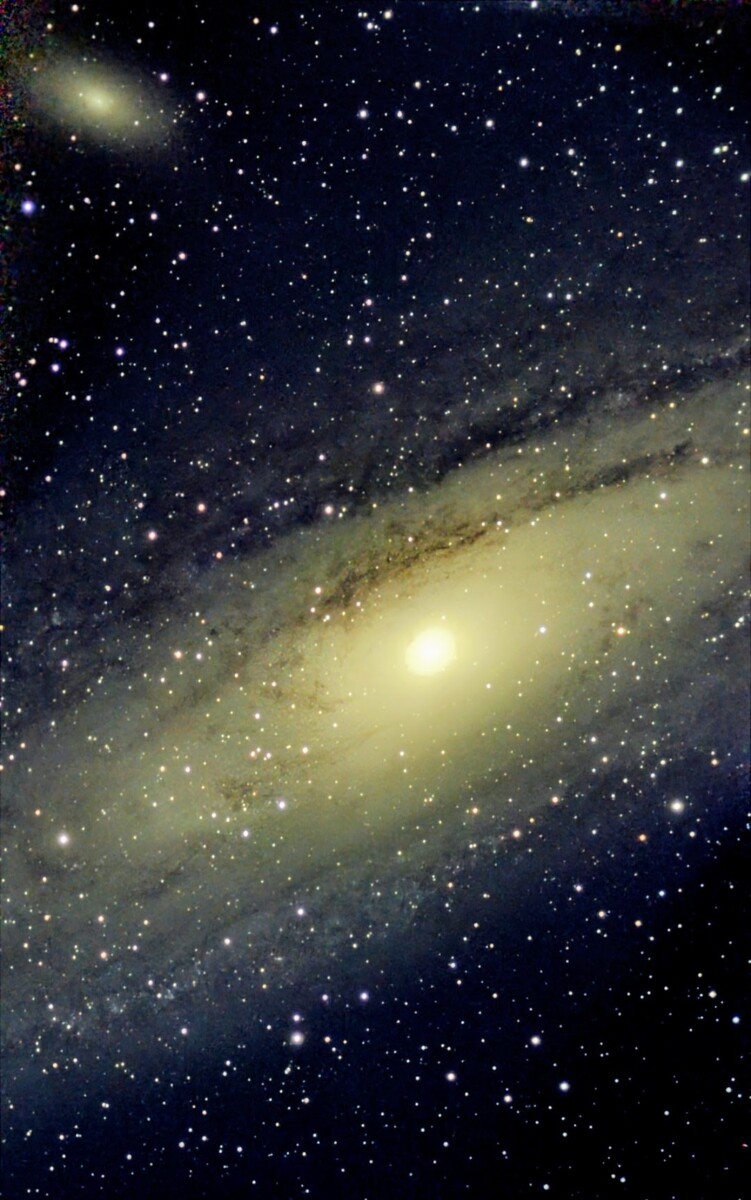
Andromeda Galaxy
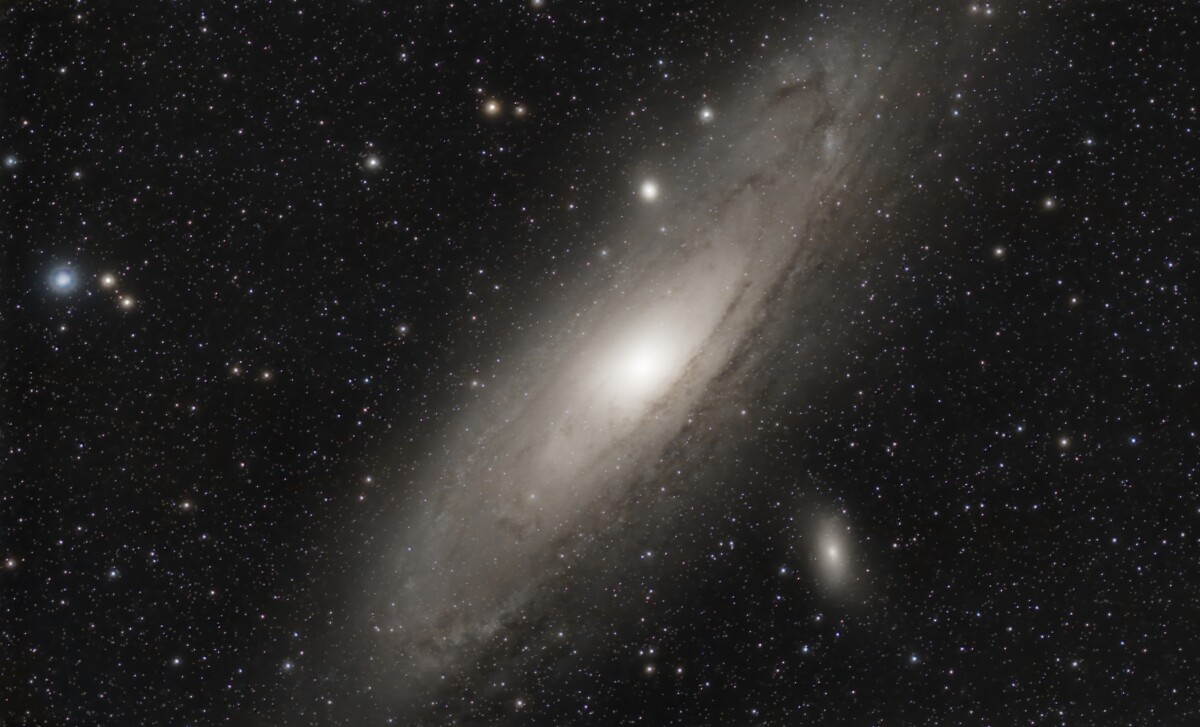
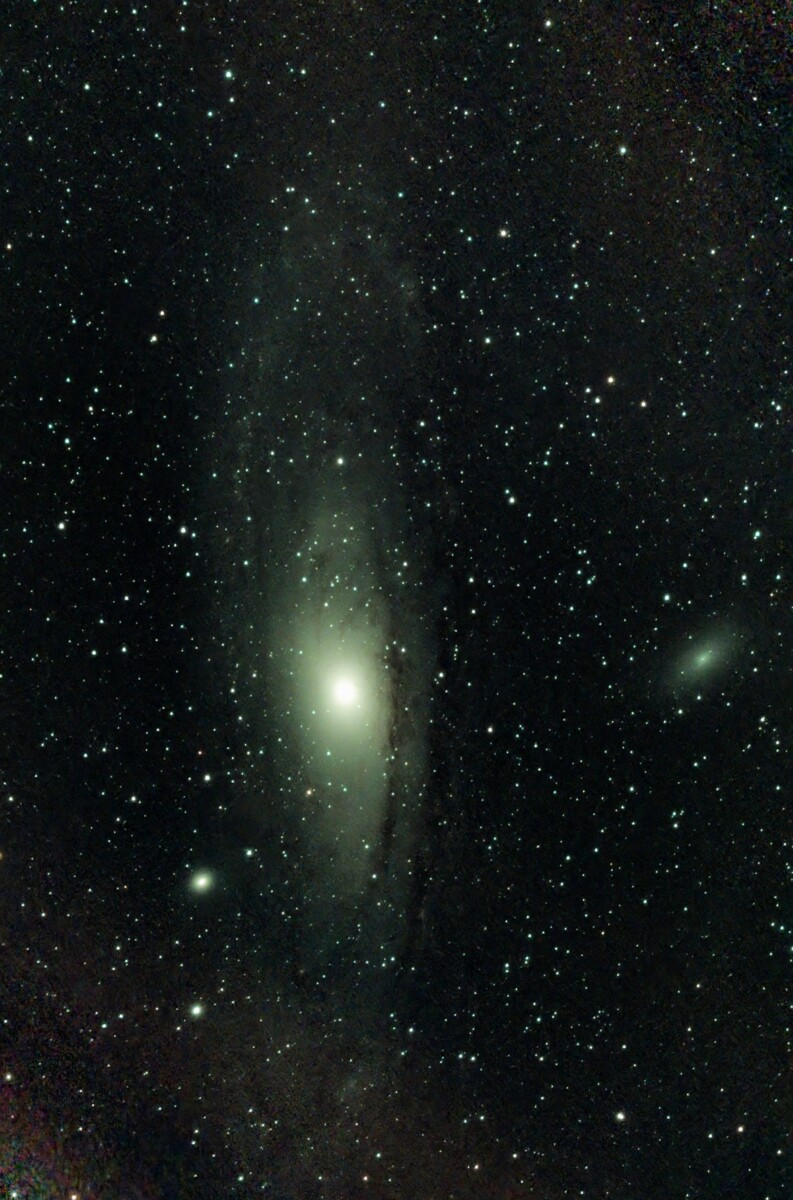
Sharing my latest deep-sky adventure: the magnificent Andromeda Galaxy (M31)! ✨
This stunning view is a labor of love from the last two nights, clocking in at a total of 553 minutes (over 9 hours!) of precious exposure time, all captured in 1-minute subs with my brand new DWARF 3 telescope right here in Bolivar!
Looking at this image is like peering into a cosmic time machine, as the light from this galaxy has traveled a staggering 2.5 million light-years to reach my sensor. That means you're seeing Andromeda as it was 2.5 million years ago! 🤯
Did you know Andromeda is a colossal spiral galaxy, even bigger than our Milky Way, stretching about 220,000 light-years across and containing around one trillion stars? Plus, keep an eye out for its companion galaxies: the bright, compact M32 (just above Andromeda's core) and the slightly fuzzier M110 (below). They're all part of our Local Group of galaxies!
It's mind-blowing to think about the scale and distance of this celestial giant. Hope you find this glimpse into the deep universe as awe-inspiring as I do!
August
Andromeda Galaxy
Sharing my latest deep-sky adventure: the magnificent Andromeda Galaxy (M31)! ✨
This stunning view is a labor of love from the last two nights, clocking in at a total of 553 minutes (over 9 hours!) of precious exposure time, all captured in 1-minute subs with my brand new DWARF 3 telescope right here in Bolivar!
Looking at this image is like peering into a cosmic time machine, as the light from this galaxy has traveled a staggering 2.5 million light-years to reach my sensor. That means you're seeing Andromeda as it was 2.5 million years ago! 🤯
Did you know Andromeda is a colossal spiral galaxy, even bigger than our Milky Way, stretching about 220,000 light-years across and containing around one trillion stars? Plus, keep an eye out for its companion galaxies: the bright, compact M32 (just above Andromeda's core) and the slightly fuzzier M110 (below). They're all part of our Local Group of galaxies!
It's mind-blowing to think about the scale and distance of this celestial giant. Hope you find this glimpse into the deep universe as awe-inspiring as I do!
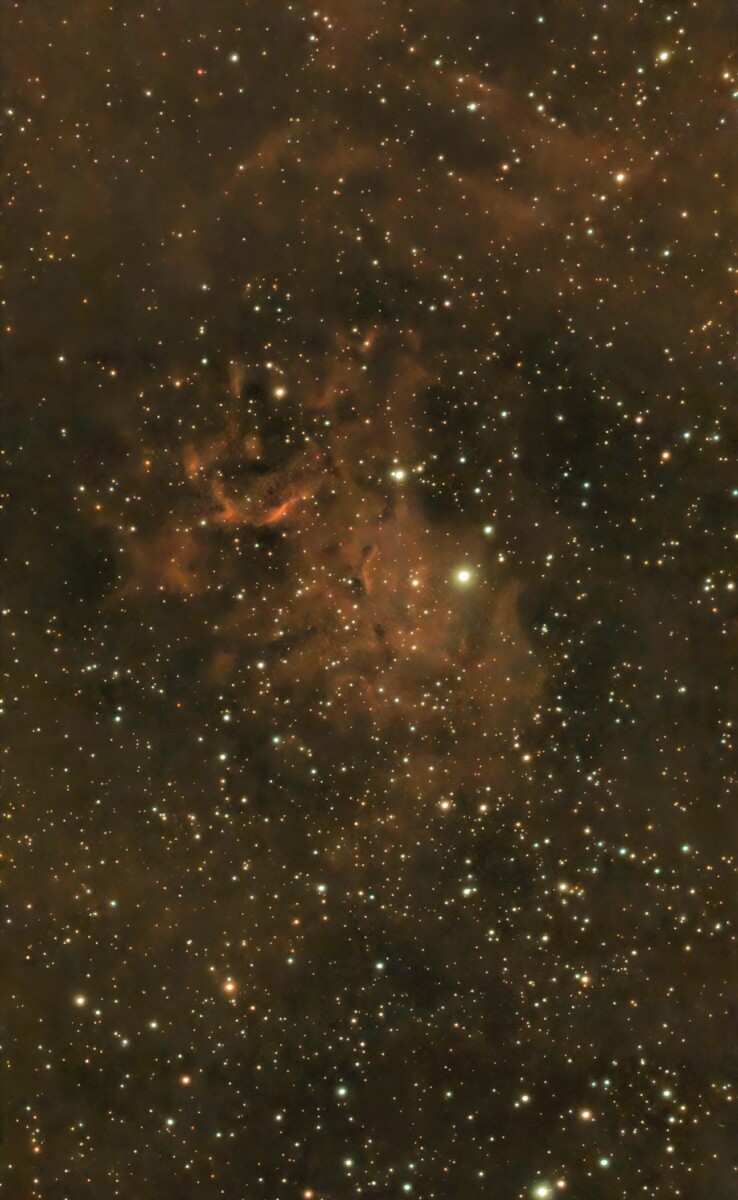
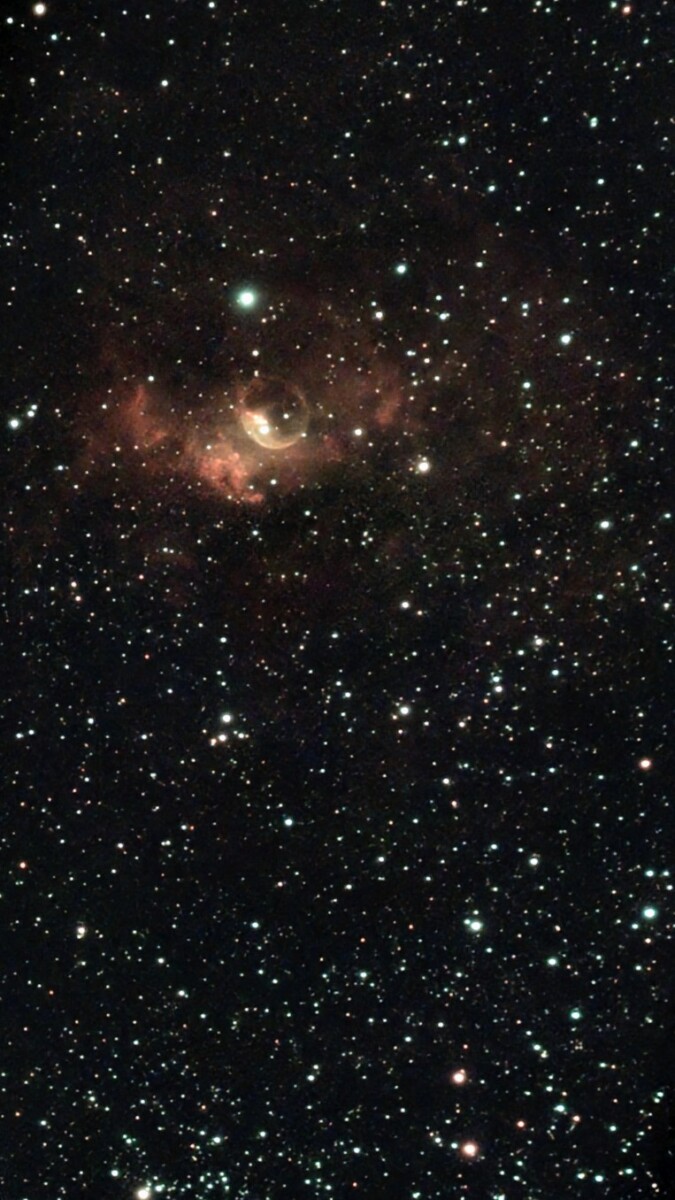
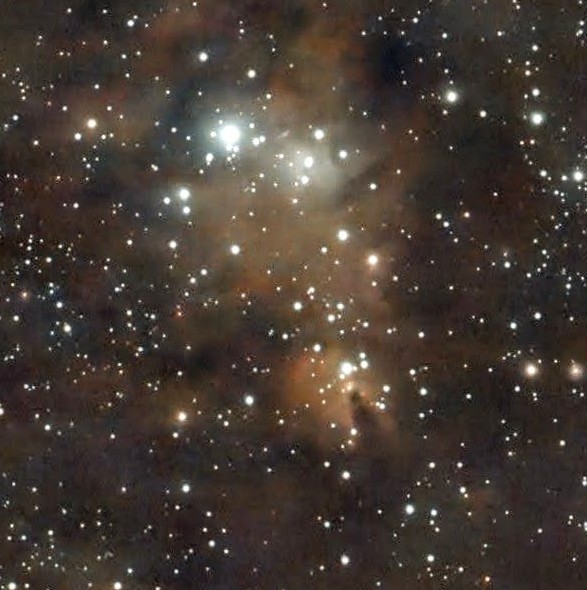
Nestled in a sea of countless stars, this celestial nursery isn't just a pretty cloud; it's a place where new stars are born. Here are a few mind-blowing facts about what you're seeing:
How Far? 🌌 The Cocoon Nebula is about 3,300 light-years away from Earth. The light in this photo began its journey to my telescope around the time of the Bronze Age Collapse!
How Big? 📏 That glowing "cocoon" structure is immense, spanning about 15 light-years in diameter.
What Is It? 🤔 It's an emission nebula, which is a fancy way of saying it's a giant cloud of gas and dust that's actively forming stars. A very young, hot star at its center is illuminating the surrounding hydrogen gas, causing it to glow, and its powerful stellar wind is blowing a bubble in the cloud—creating the cocoon shape we see!
It's truly humbling to capture a snapshot of creation happening so far away. Hope you enjoy this peek into our incredible universe!
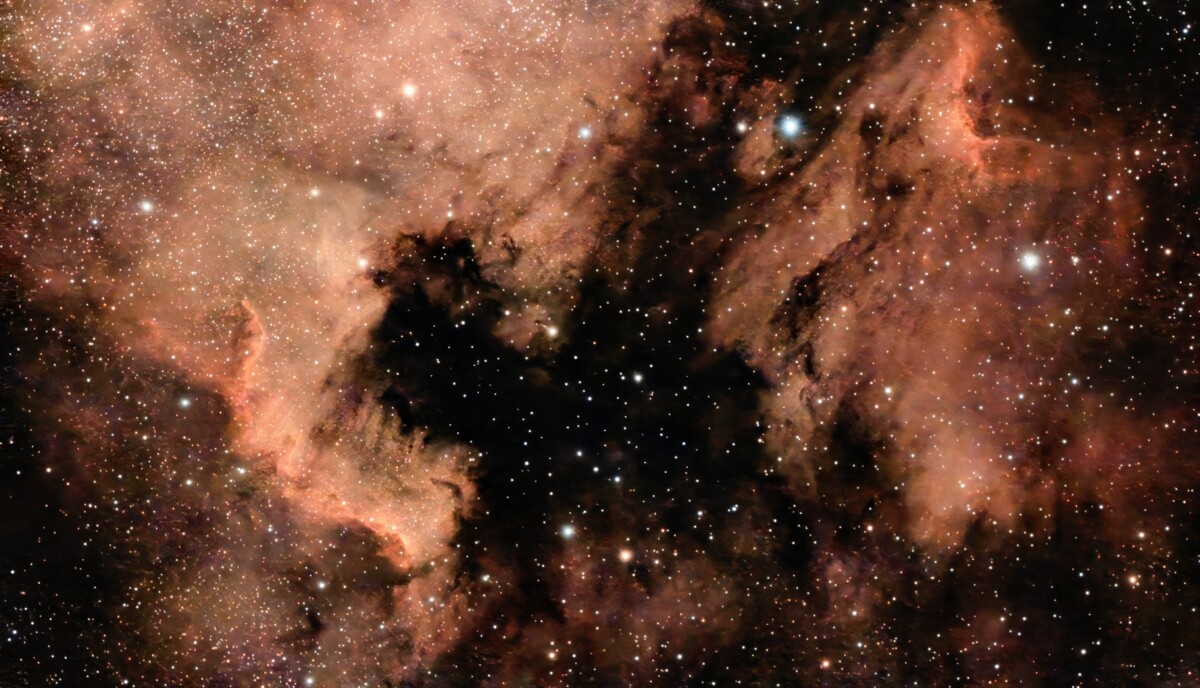
North American Nebula
North American Nebula (NGC 7000). Located in the constellation Cygnus, this vast cosmic cloud of ionized hydrogen gas is a stellar nursery where new stars are forming.
The nebula gets its name from its uncanny resemblance to the continent of North America. If you look closely, you can almost make out the "Gulf of Mexico" at the center, the "Mexican" landmass below, and the rest of the continent stretching out to the right.
This image is a total of 6 hours of exposure, captured using the DWARF 3 telescope. Processing the data was a rewarding challenge, as I worked to bring out the subtle details and rich colors of the glowing gas and the dark dust lanes that crisscross the nebula.
It's humbling to think that the light from this nebula has traveled thousands of years to reach my camera, right here in Bolivar, and I'm so excited to share the result with all of you.
Technical Details:
* Target: North American Nebula (NGC 7000)
* Telescope: DWARF 3
* Exposure: 6 hours
* Location: Bolivar, Missouri
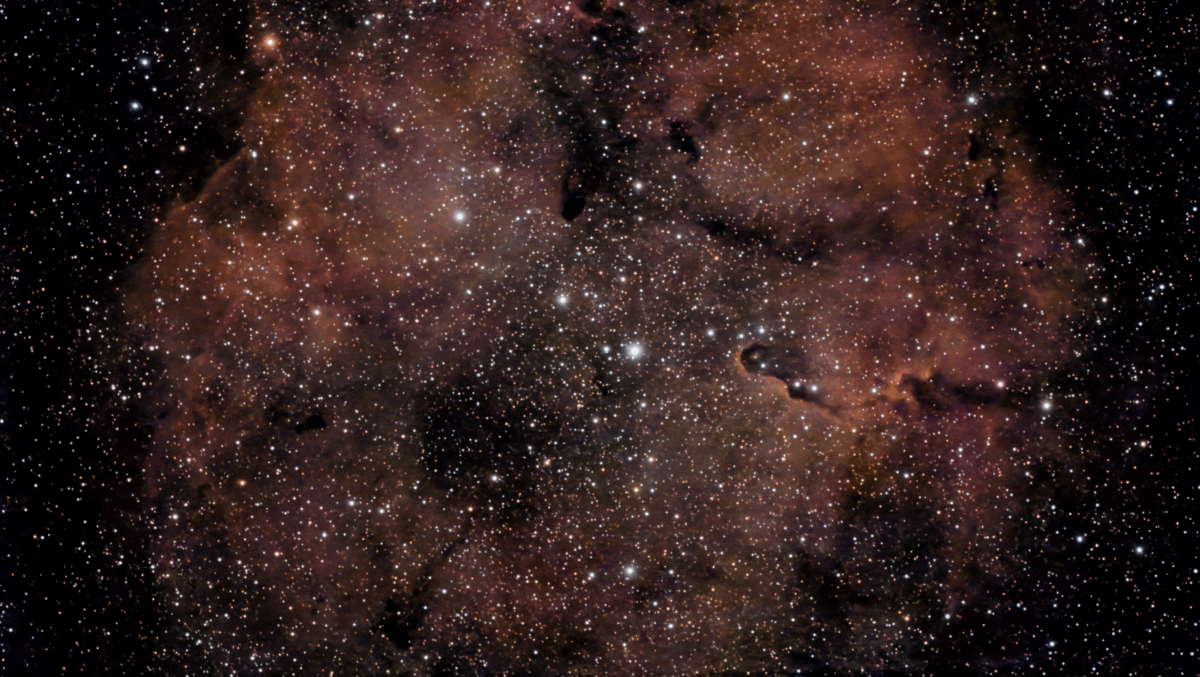
Elephant Trunk Nebula
I captured this stunning image of the Elephant's Trunk Nebula (IC 1396A) from my back deck using my Dwarf 3, with a total exposure time of 5 hours. Can you see why it's called the Elephant's Trunk? This dark globule of dust and gas, shaped like an elephant's trunk, is a site of active star formation within the larger emission nebula complex IC 1396. Located about 2,400 light-years away in the constellation Cepheus, this cosmic trunk stretches roughly 20 light-years in length! The beautiful reddish glow comes from ionized hydrogen gas, energized by the radiation from nearby young, hot stars. It's amazing to think about the vastness and beauty of our universe!
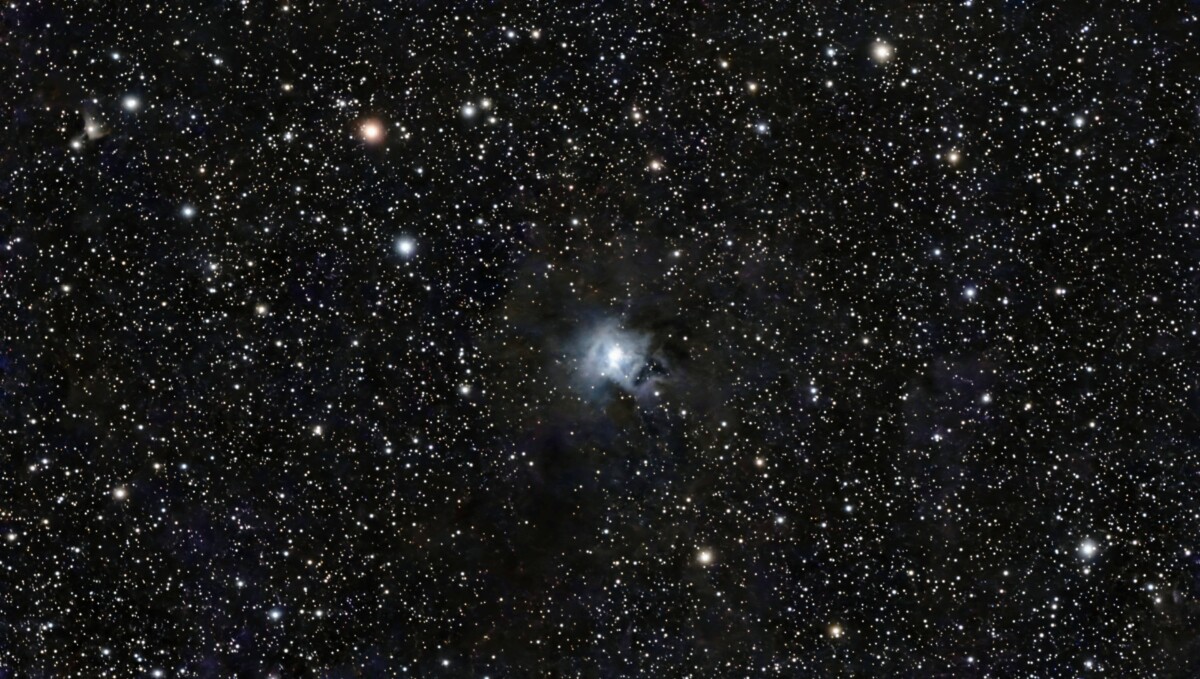
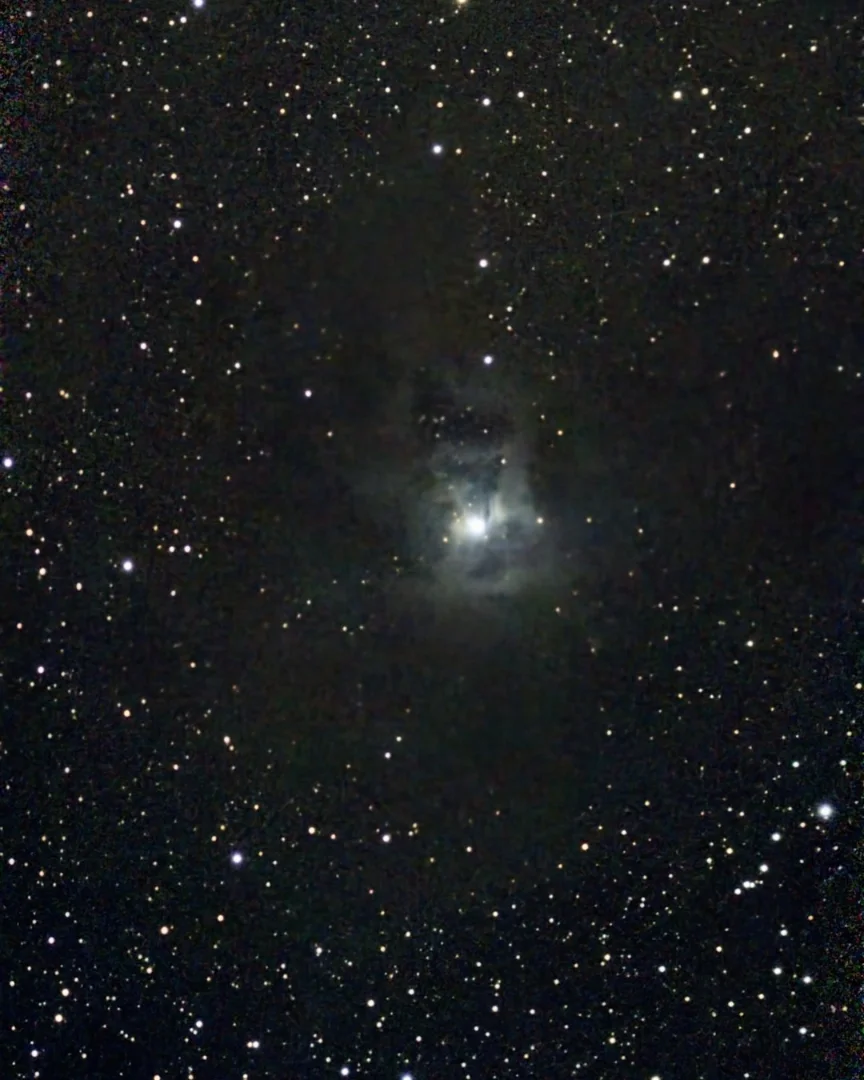
Iris Nebula
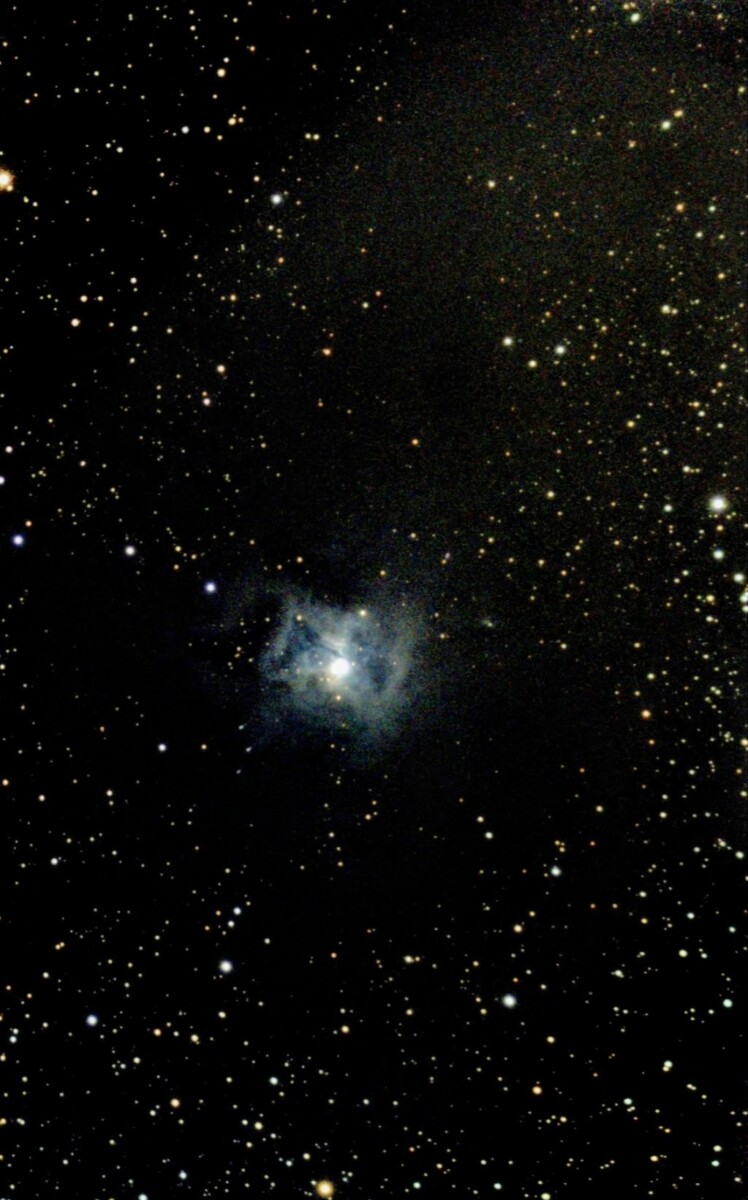
This stunning image you've captured with my Dwarf 3 telescope showcases the Iris Nebula, a breathtaking celestial object located in the constellation Cepheus. Also known by its catalog designation NGC 7023 or Caldwell 4, this isn't a nebula that glows on its own. Instead, it's a reflection nebula. The brilliant, bluish glow you see is actually starlight from a hot, young star at its heart, named SAO 19158, reflecting off a vast cloud of cosmic dust.
The characteristic blue hue is a result of the same phenomenon that makes Earth's sky blue: fine dust particles scatter blue light more efficiently than red light. The nebula is located approximately 1,300 light-years from Earth and spans about 6 light-years in diameter.
What makes the Iris Nebula so striking are the intricate, dark lanes of obscuring dust that surround the bright central region. These dense clouds of cold gas and dust block the light from stars behind them and create the delicate, petal-like shapes that give the nebula its floral name. Your photograph wonderfully highlights the contrast between the brightly illuminated core and the shadowy tendrils of dust enveloping it.
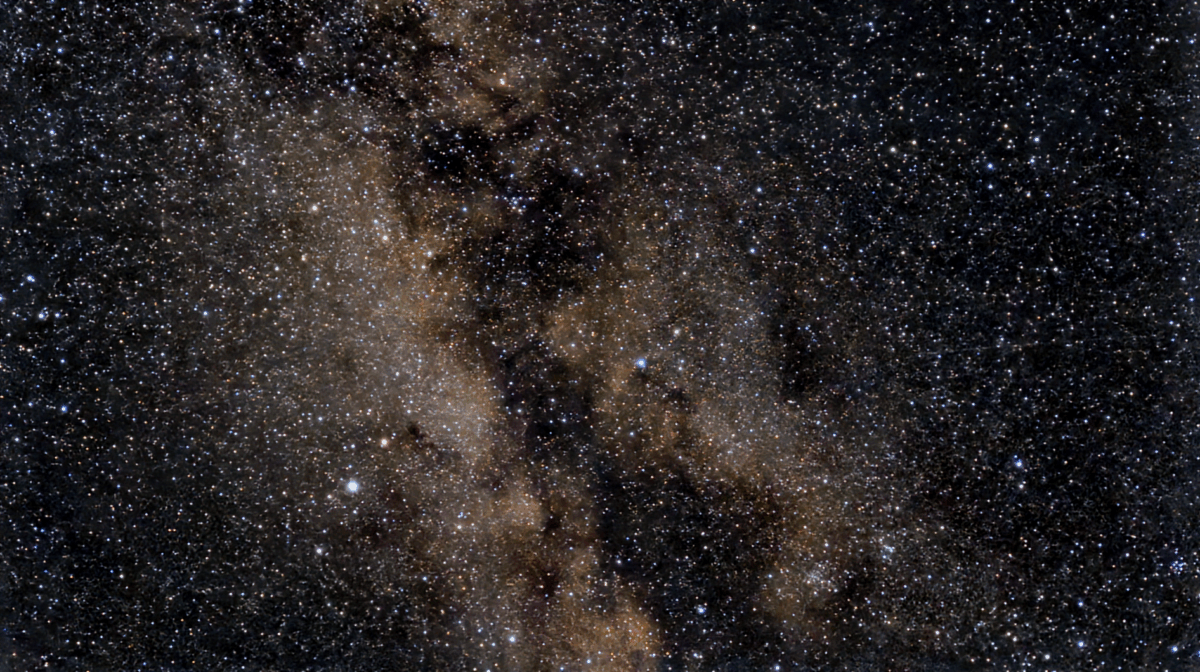
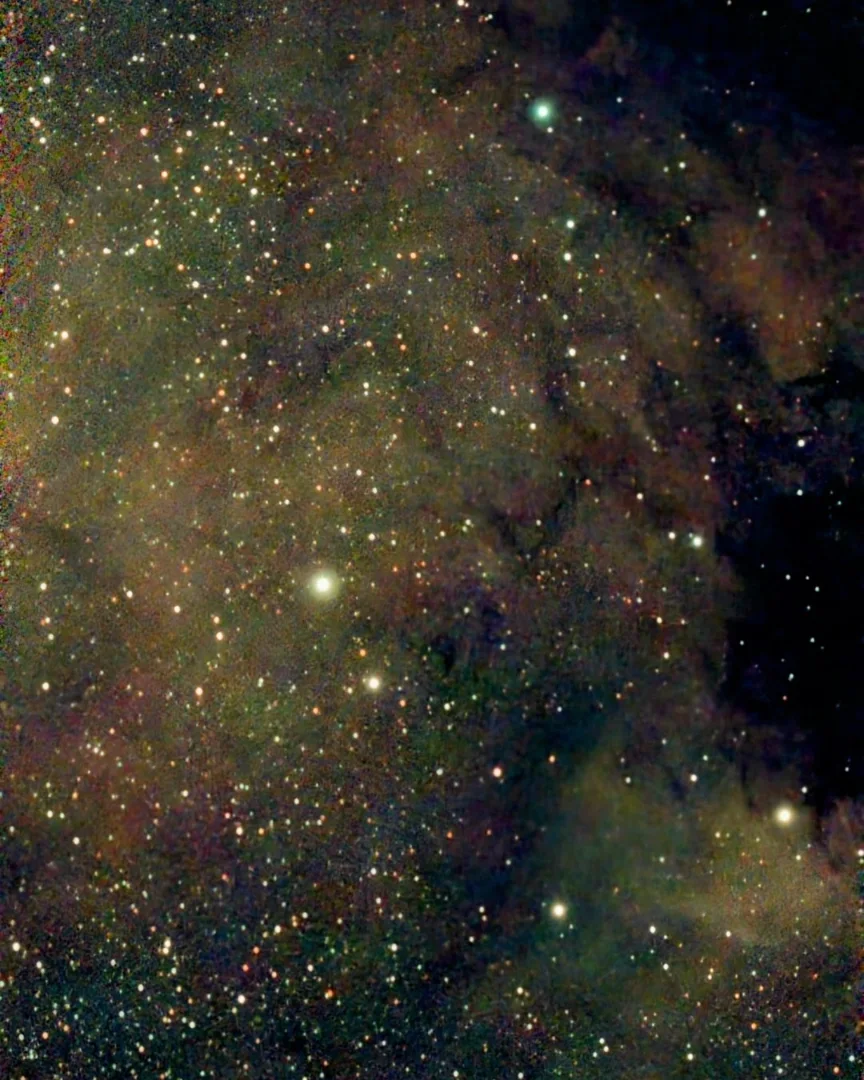
The Great Rift in the Milky Way
I pointed my telescope (the Dwarf 3!) up at a random, high-in-the-sky section of the Milky Way, and this is what I got! 🌌
This isn't just a random patch of stars—it's a massive swath of our galaxy's disk, and it's full of incredible details. The bright, concentrated areas you see are where the stars are densest, particularly in the inner regions of our galaxy. The dark, cloudy-looking lanes cutting through the starlight aren't empty spaces; they are vast, cold clouds of interstellar dust and gas. These "dark nebulae" are so thick they block the light from the stars behind them. They are often the stellar nurseries where new stars are born!
The scale of this image is mind-boggling. Even though this picture captures a relatively small piece of the sky, the true scale of what we're seeing is enormous—we're looking at a region that could be thousands of light-years across, filled with countless stars, some of which are hundreds of thousands of light-years away from us!
This was captured with a 30-minute total exposure time using my Dwarf 3 and its wide-angle lens, with 30-second sub-exposures. The ability to stack and process these images really brings out the faintest details and the incredible texture of the cosmic dust.
June (finally some clear skies!)
IC 5070
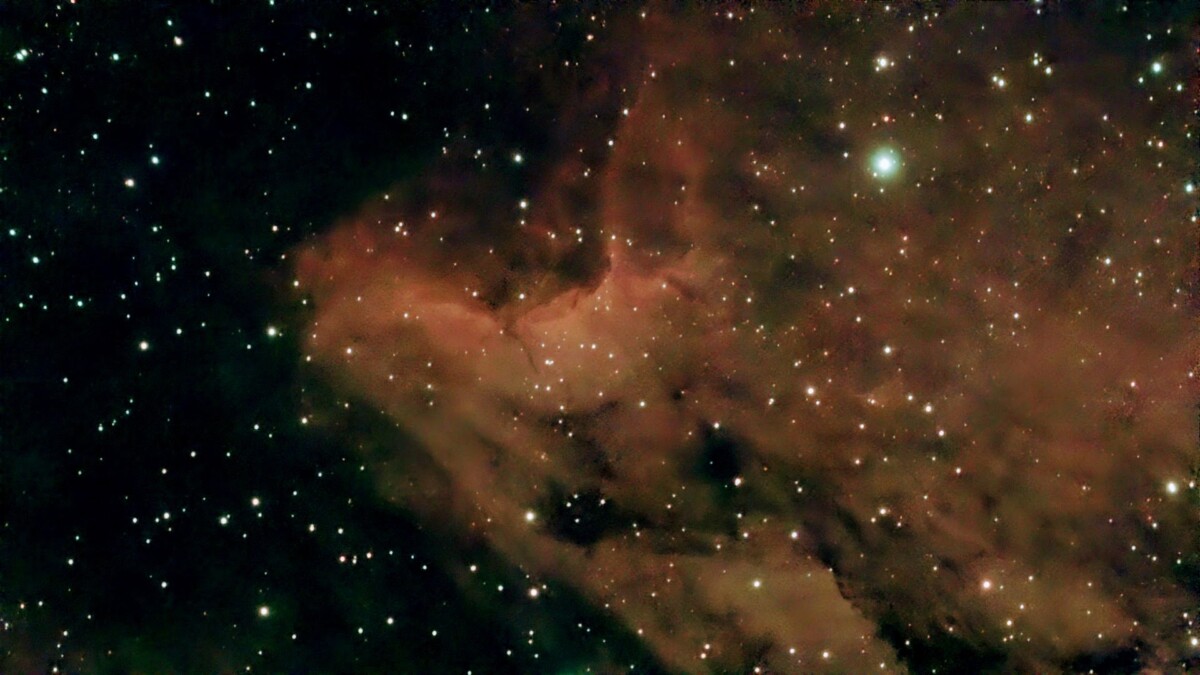
Behold the Pelican Nebula! ✨
Captured this stunning image of the Pelican Nebula (IC 5070) last night from Bolivar using my Seestar S50. This emission nebula, located approximately 1,800 light-years away in the constellation Cygnus, gets its name from its resemblance to a pelican. It's part of the same interstellar cloud of ionized hydrogen as the nearby North America Nebula. This image is the result of approximately 3 hours of total exposure. The light from young, energetic stars slowly transforms cold gas to hot, causing an ionization front gradually to advance outward.
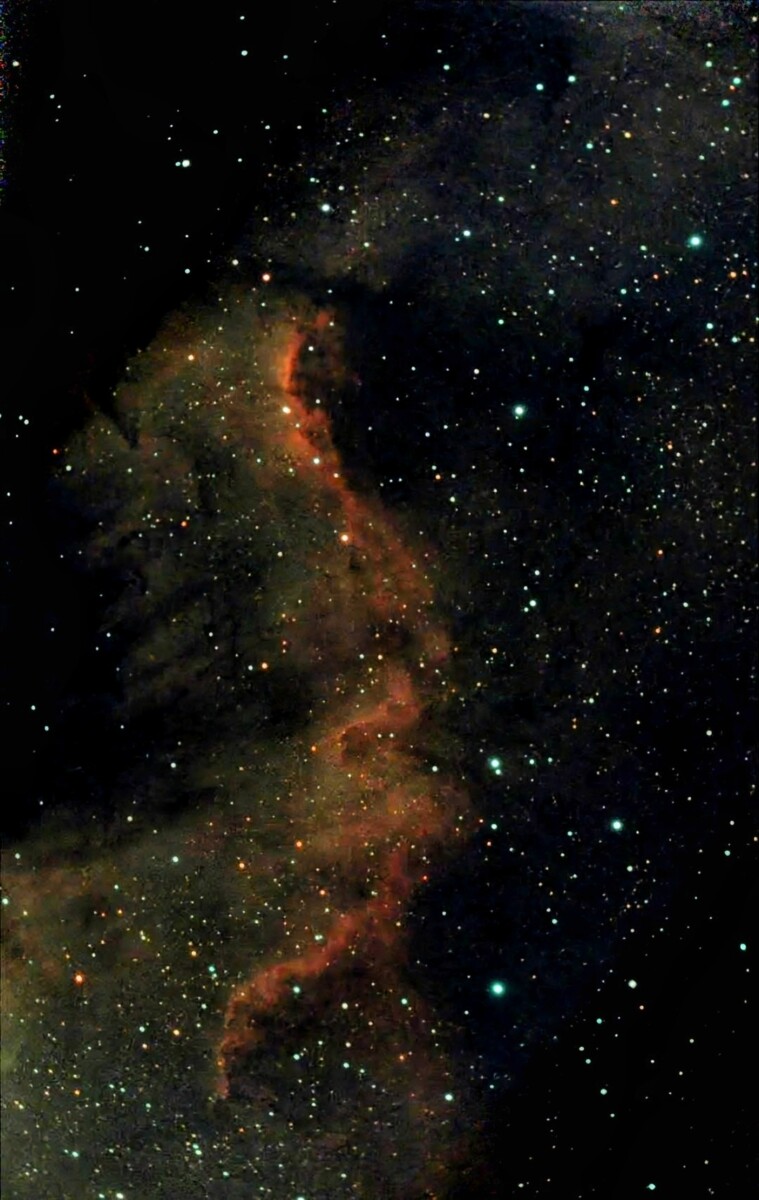
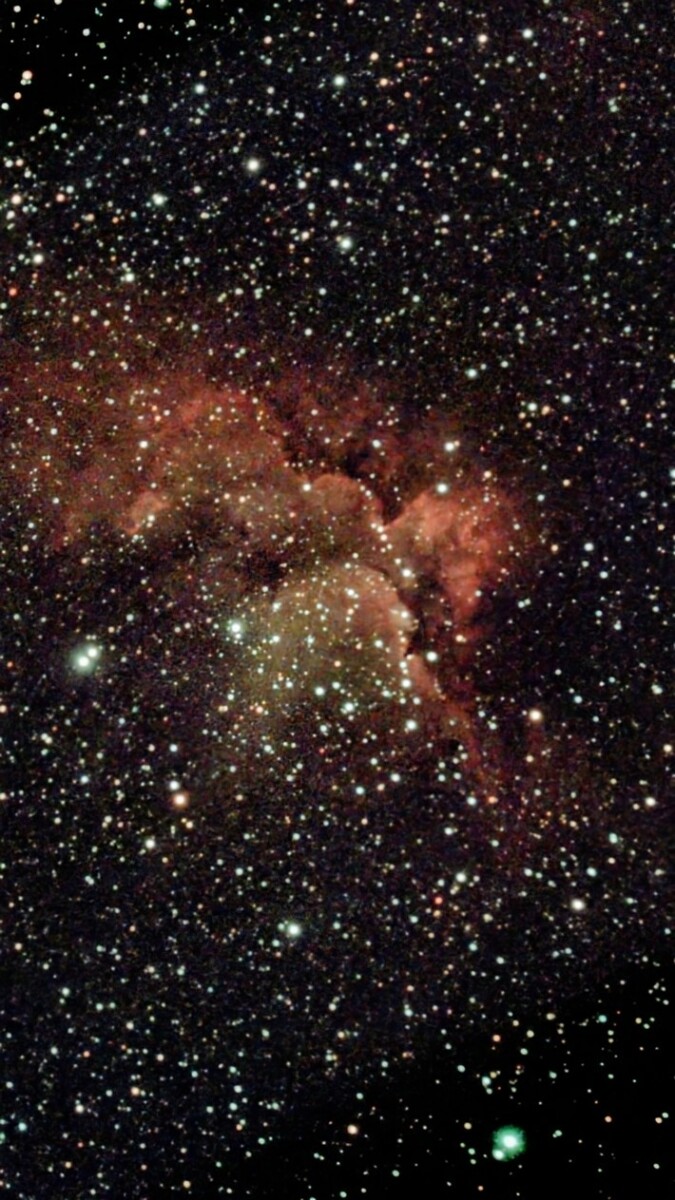
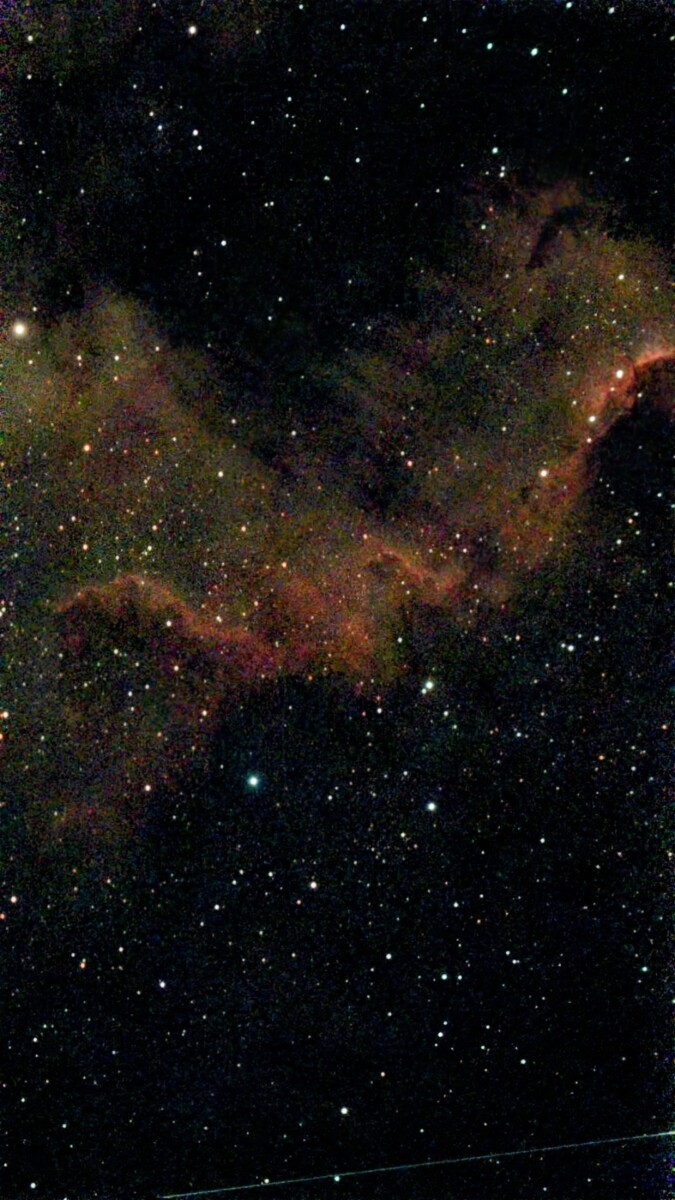
NGC 6960
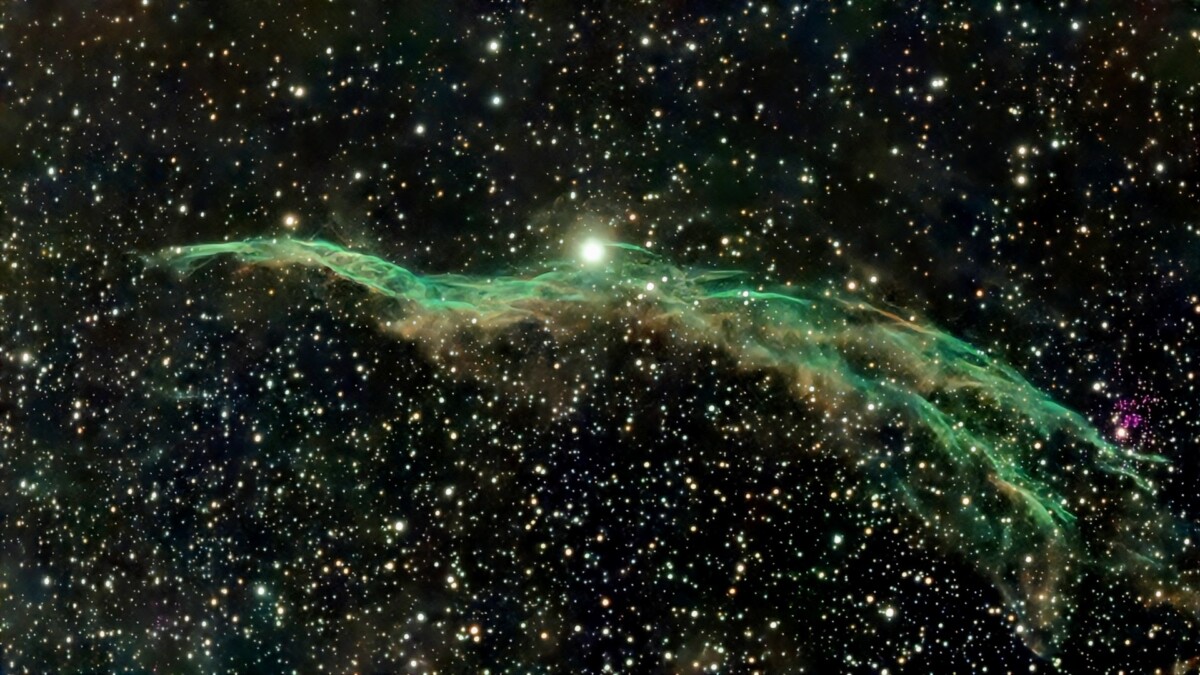
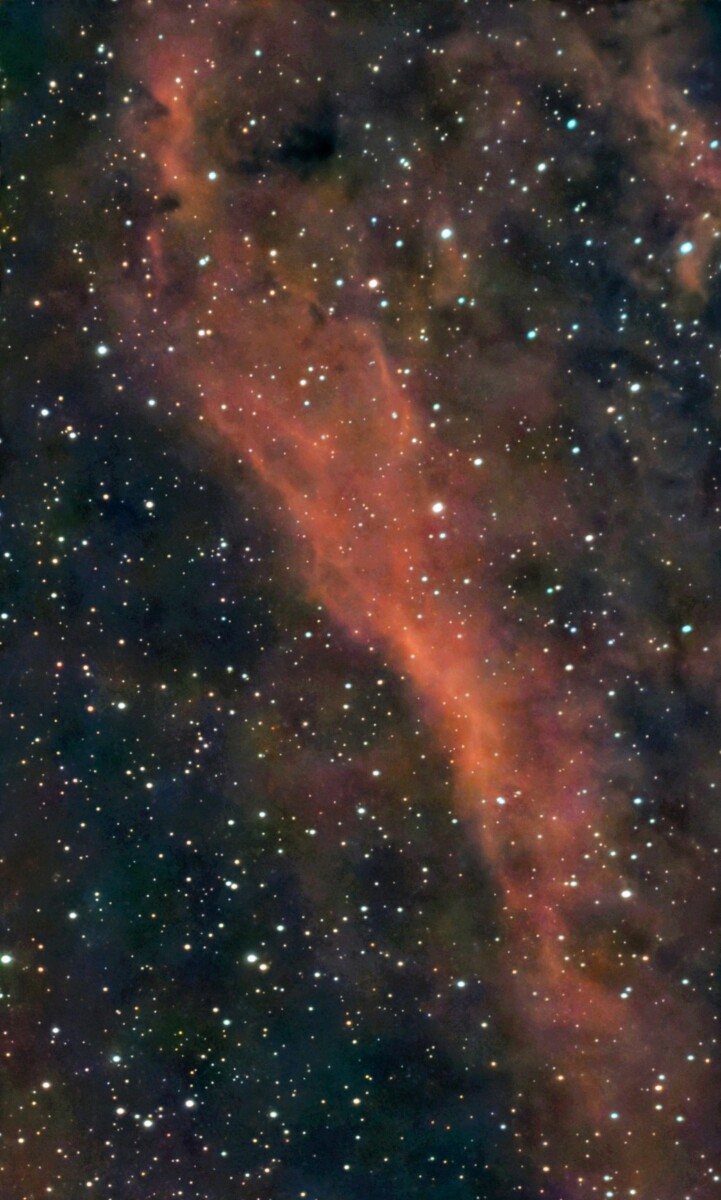
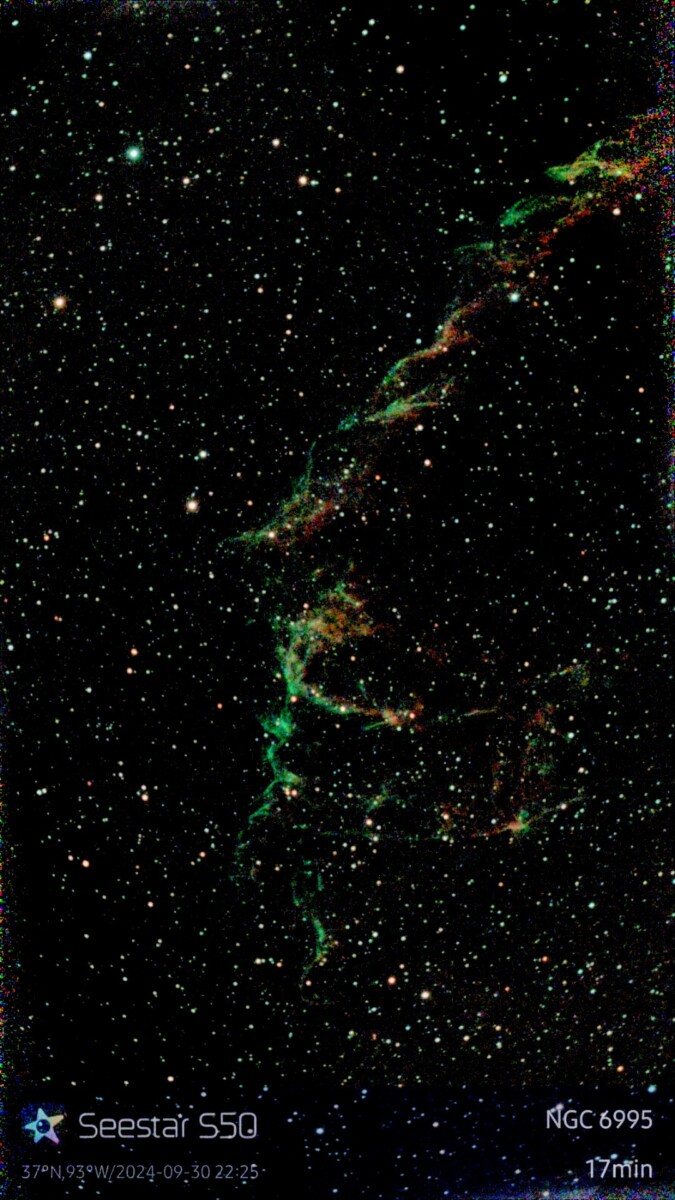
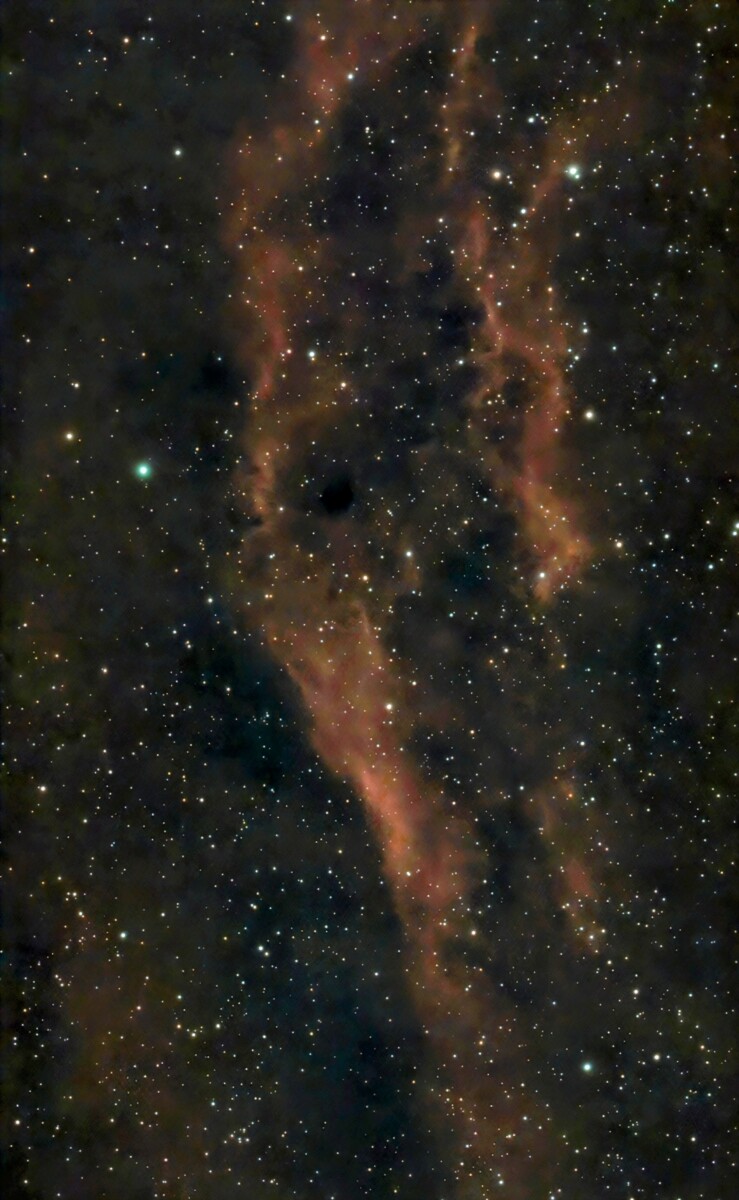
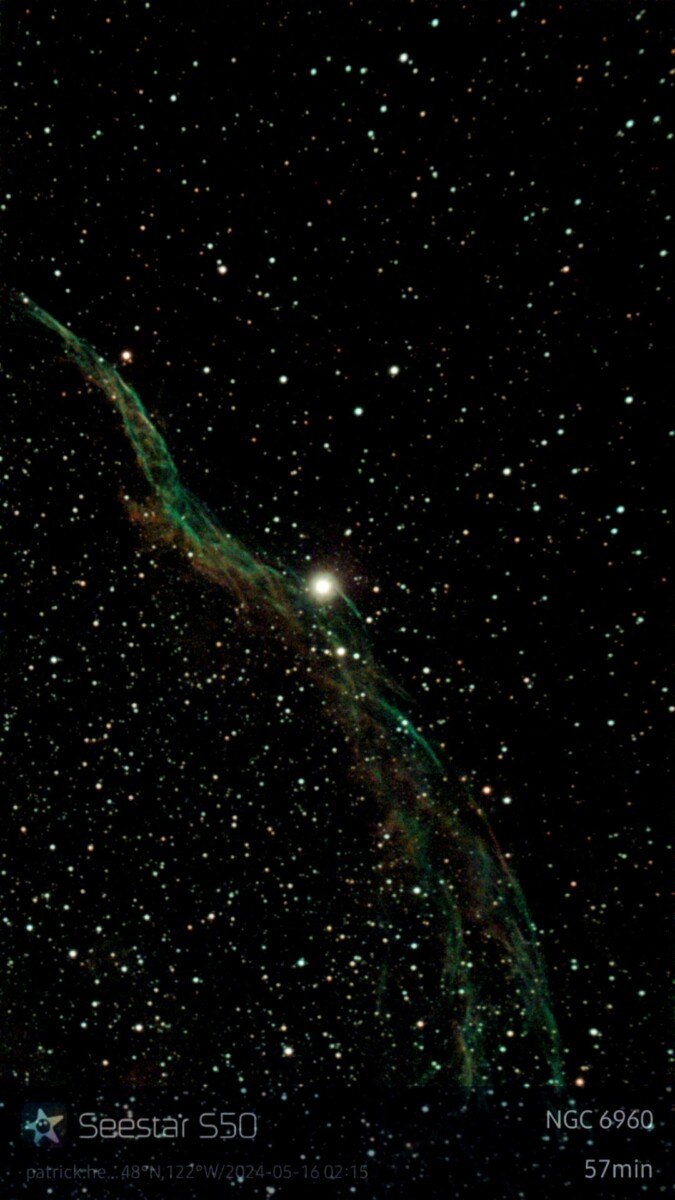
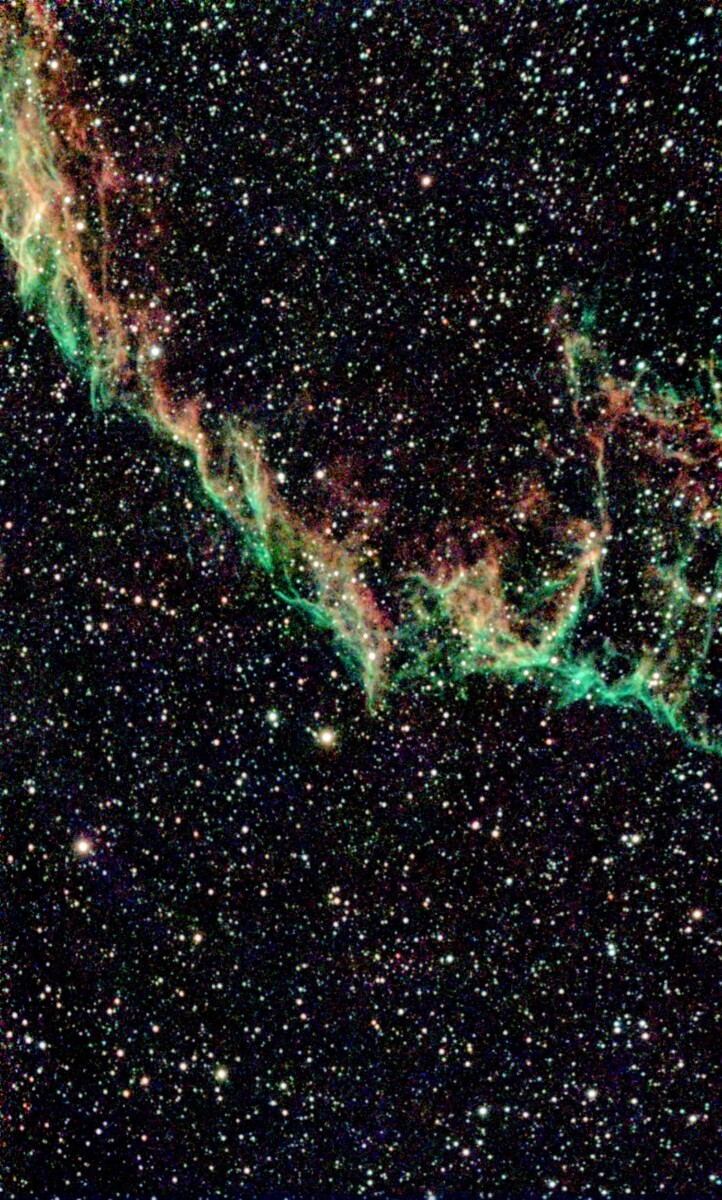
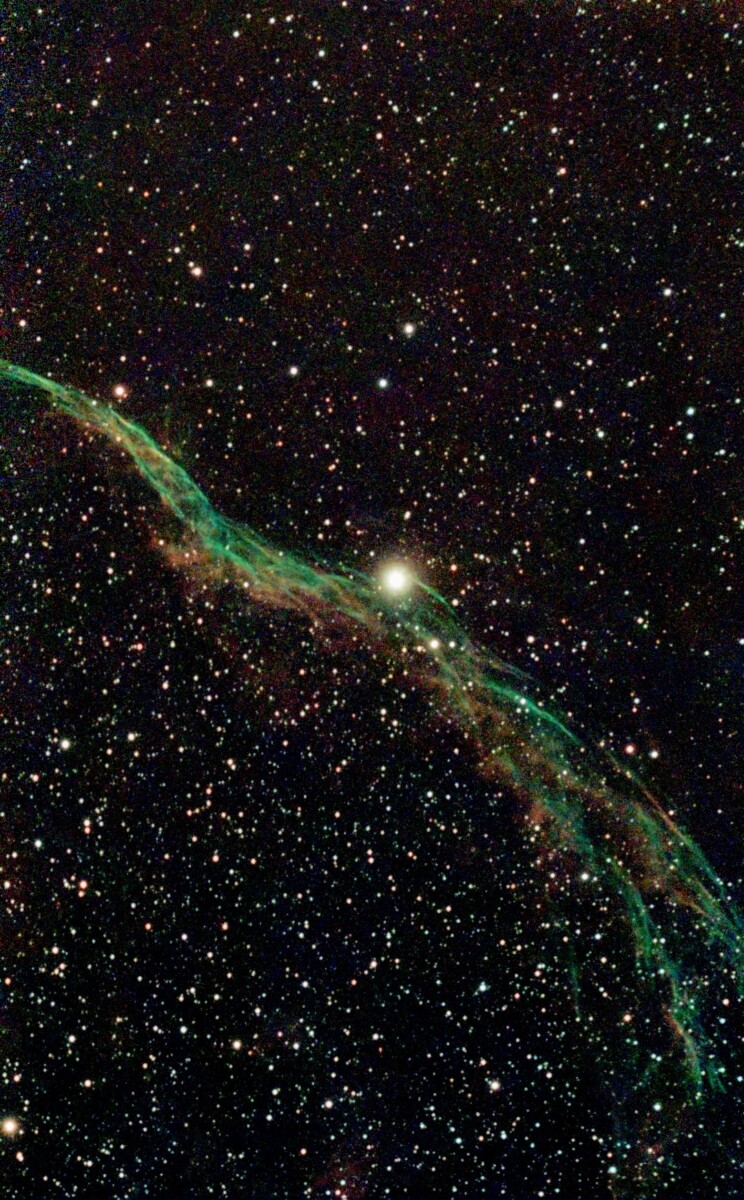
Behold the ethereal beauty of the West Veil Nebula, captured last night with 5 hours of total exposure using my Seestar S50! ✨ I did some minimal processing in Google Photos, and I'm thrilled with how it turned out!
This isn't just any cosmic wisp; it's a small part of the much larger Veil Nebula, which itself is a supernova remnant! That's right, what you're seeing here are the expanding remains of a massive star that exploded thousands of years ago. Talk about a grand finale!
How big is it? The entire Veil Nebula spans an enormous 3 degrees in the sky, which is about 6 times the diameter of the full Moon! The West Veil (also known as NGC 6960, or the "Witch's Broom Nebula" for its spooky resemblance!) is one of the brightest filaments within it.
How far away? This cosmic masterpiece is located approximately 2,400 light-years from Earth in the constellation Cygnus. So, the light you're seeing in this photo left the nebula 2,400 years ago – way before any of us were around!
Why those amazing colors? The vibrant greens and reds are due to different elements in the nebula being energized by the shockwave from the supernova:
Green hues come mainly from oxygen atoms.
Reddish tones are from hydrogen atoms.
It's a breathtaking reminder of the dynamic and colorful universe we live in! Hope you all enjoy this glimpse into deep space!
April
M 51
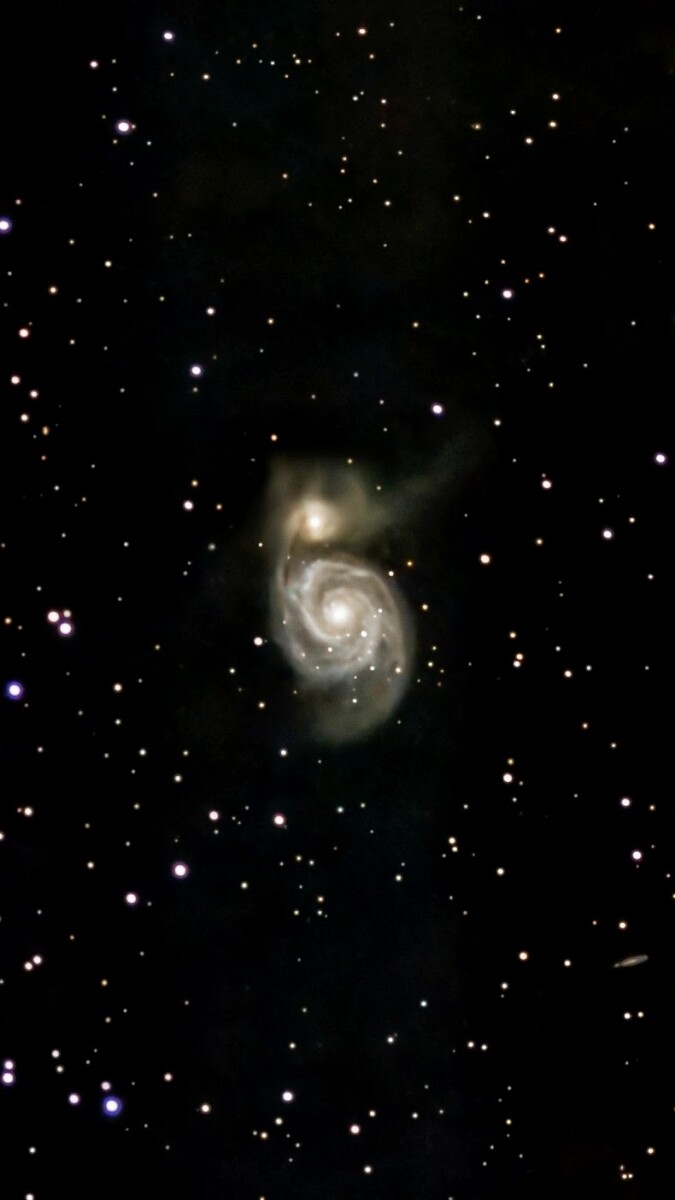
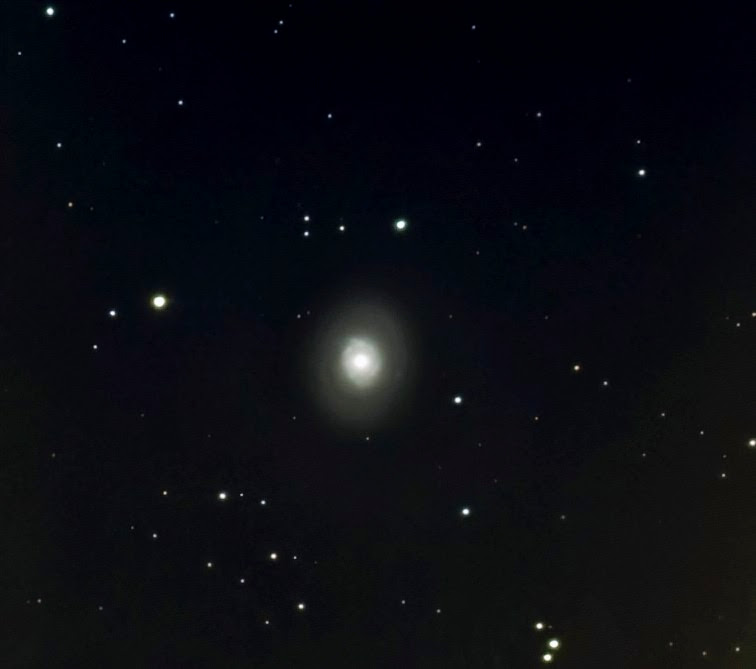
Just spent some quality time with the stunning Whirlpool Galaxy (M51)! 🌌 You might notice it looks like there are two galaxies in this image, and you'd be right! The larger spiral is M51a, and its smaller companion, the one at the end of one of its prominent spiral arms, is NGC 5195. These two are gravitationally interacting, and it's believed that NGC 5195 has actually passed through the main disk of M51a. This galactic tango is what gives the Whirlpool Galaxy its distinctive and beautiful structure!
Located about 31 million light-years away from us in the constellation Canes Venatici, the light you see in this image started its journey way back when the earliest hominids were just beginning to walk upright on Earth! Talk about a long commute! 🤯
I captured this beauty using my trusty Seestar S50, clocking in a total of 94 minutes of exposure. It's amazing what this little scope can do! Each photon collected over those minutes tells a story of light that has traveled across the vastness of space to reach my sensor.
Another fascinating detail about the Whirlpool Galaxy is its active galactic nucleus (AGN). While not as intense as some other galaxies, it does contain a supermassive black hole at its center that is actively accreting matter. This process emits a lot of energy across the electromagnetic spectrum.
Seeing the intricate details of the spiral arms and the companion galaxy (NGC 5195) in this image makes me feel so connected to the cosmos. It's a humbling reminder of the scale and beauty of our universe.
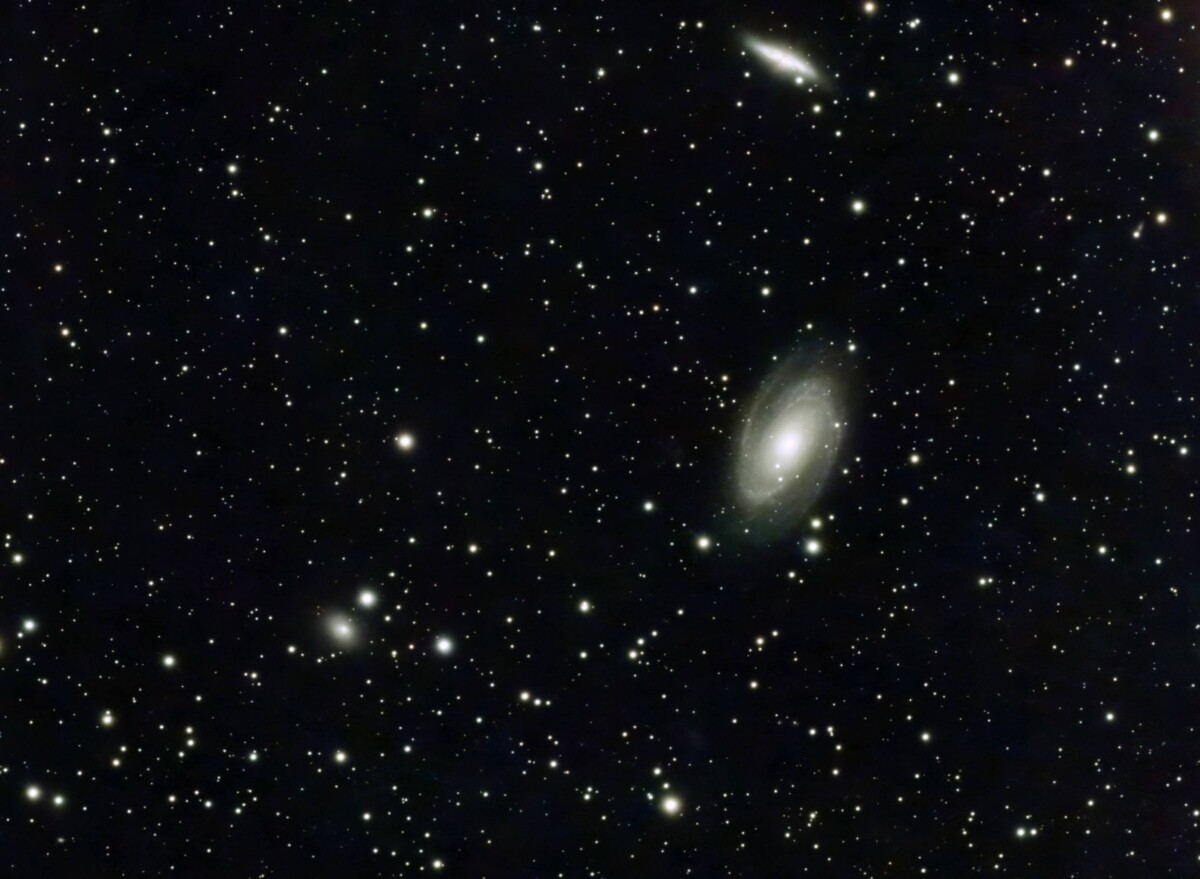
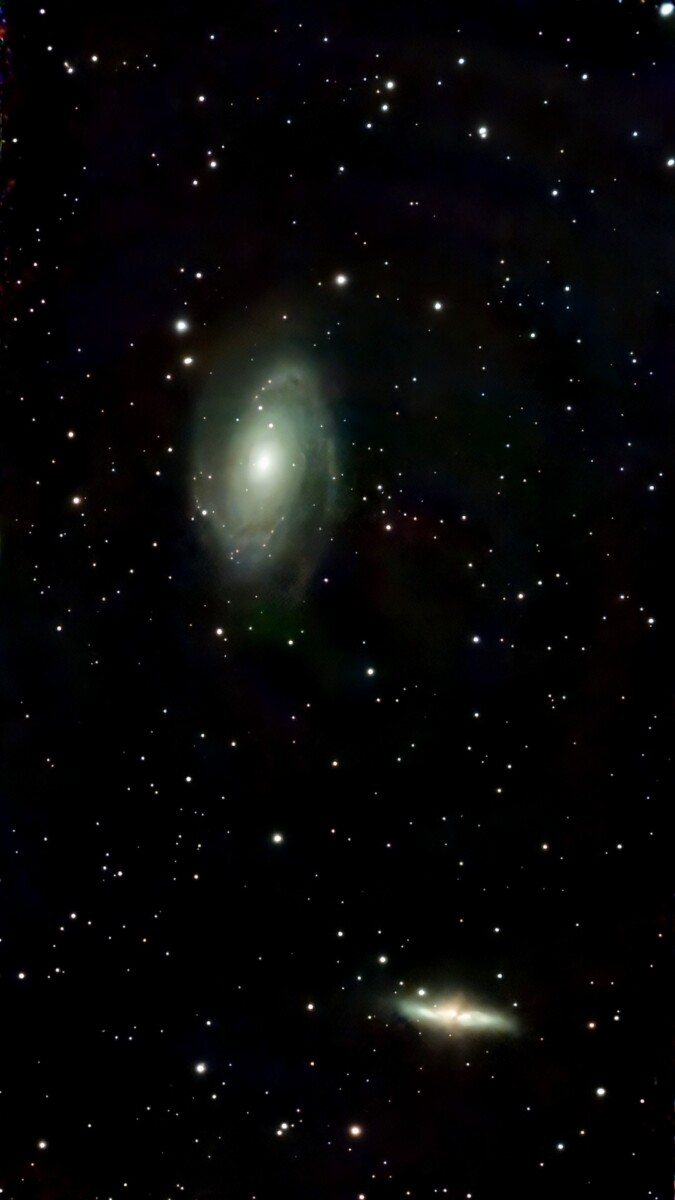
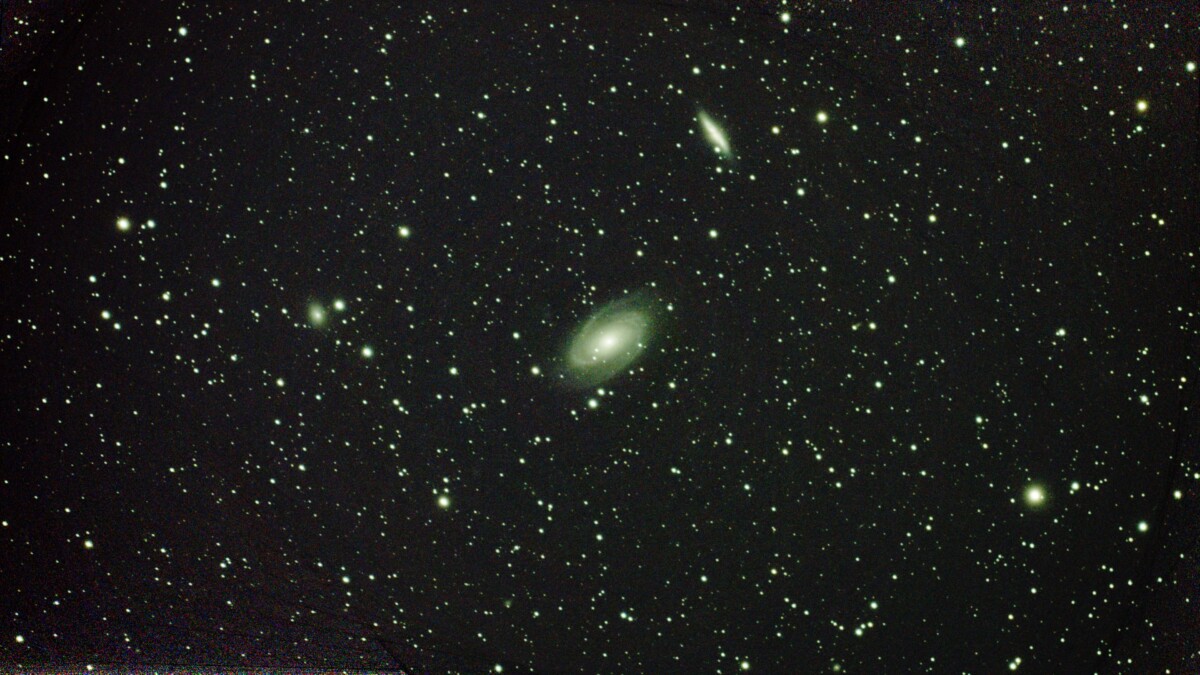
Bode's and Cigar Galaxy
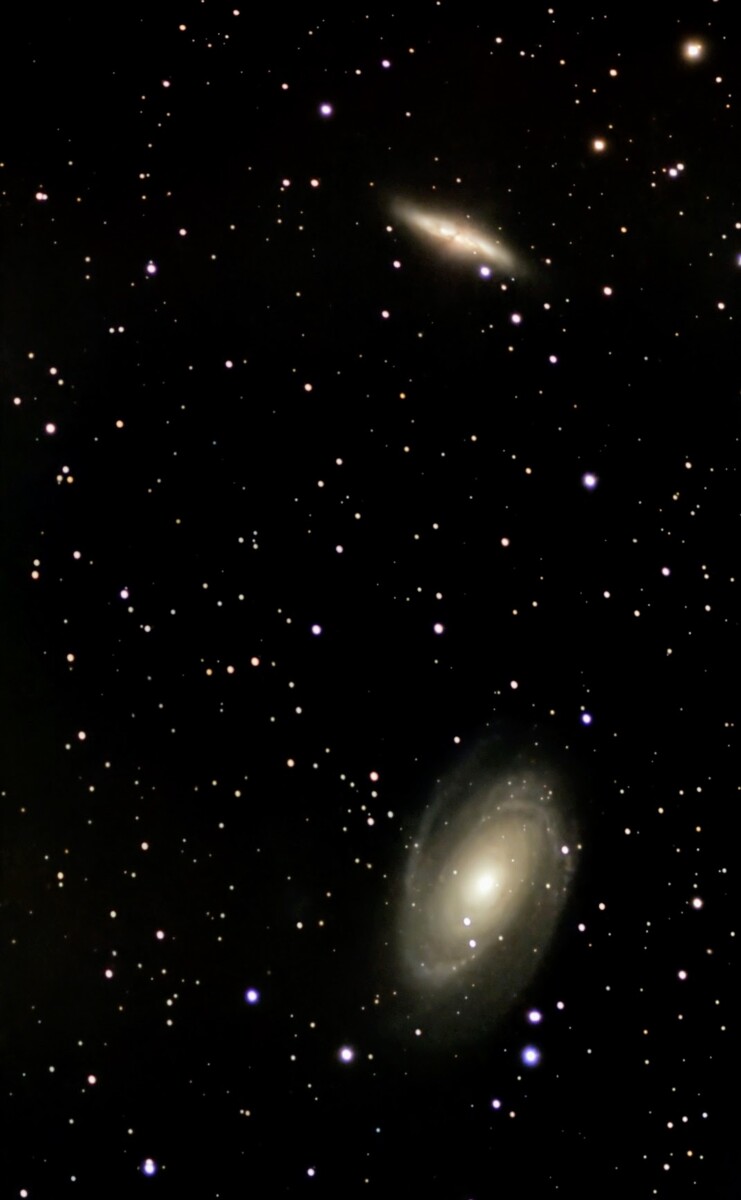
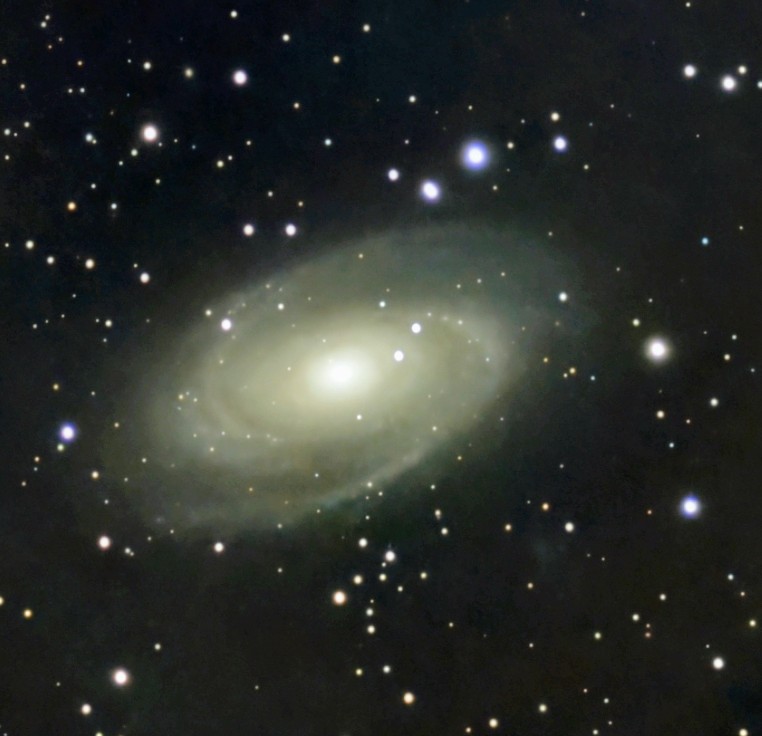
Another night, another galaxy! This time, I had the pleasure of imaging the magnificent Bode's Galaxy (M81)! 🤩 This grand design spiral galaxy is a true cosmic gem, and I'm thrilled to share my view of it with you all.
This image was captured using my trusty Seestar S50 with a total exposure time of about 80 minutes. Every minute under the night sky counts when you're trying to gather the faint light from galaxies millions of light-years away!
Bode's Galaxy resides approximately 12 million light-years from our Milky Way in the constellation Ursa Major (home to the Big Dipper). It's one of the brightest galaxies in the sky and can even be spotted with binoculars under dark skies!
One of the interesting features of M81 is its well-defined spiral arms, which are beautifully visible in this image. It's also known for having undergone a close encounter with its neighbor, M82 (the Cigar Galaxy), in the past. This interaction has likely influenced the structure of both galaxies.
It's just incredible to think about the vast distances and the dynamic processes happening within these cosmic islands of stars. Astrophotography continues to blow my mind!
February
Behold, the magnificent M81! ✨
This image is the culmination of 8 hours and 7 minutes of total exposure, painstakingly captured in 30-second intervals. Despite some challenges with inscope stacking due to my telescope's movement, I managed to process the data with Siril and Pixinsight to reveal the intricate details of this grand spiral galaxy.
The vibrant colors and delicate dust lanes showcase the beauty and complexity of M81, a testament to the wonders of our universe. 🌌
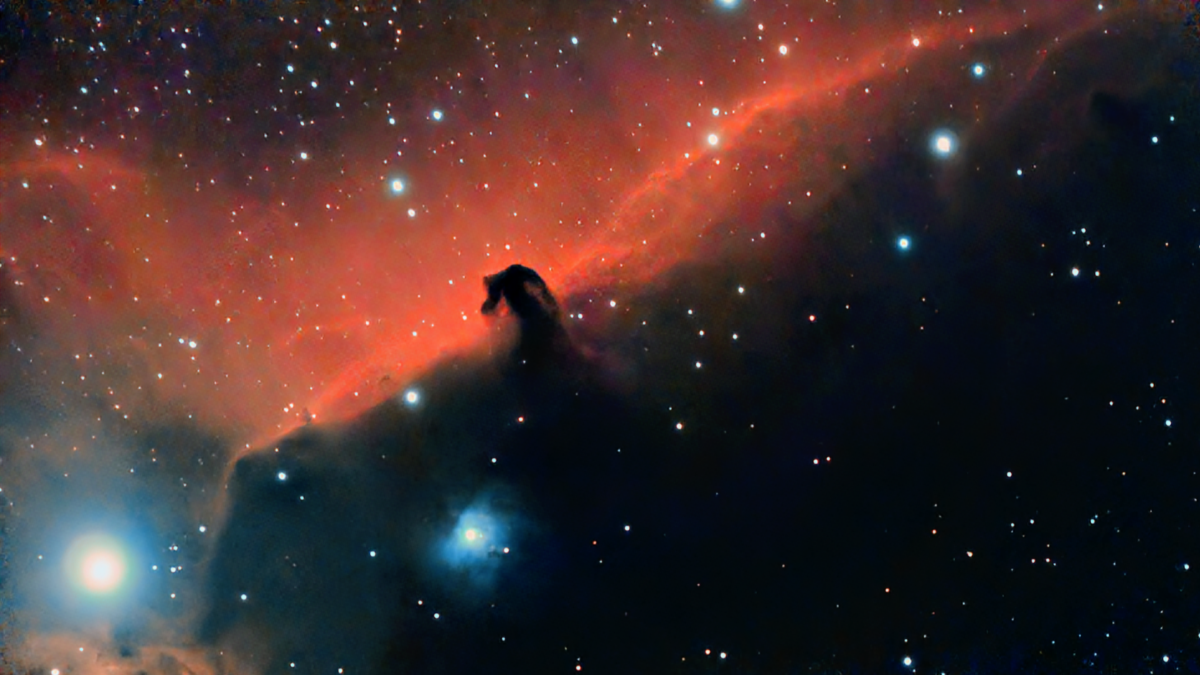
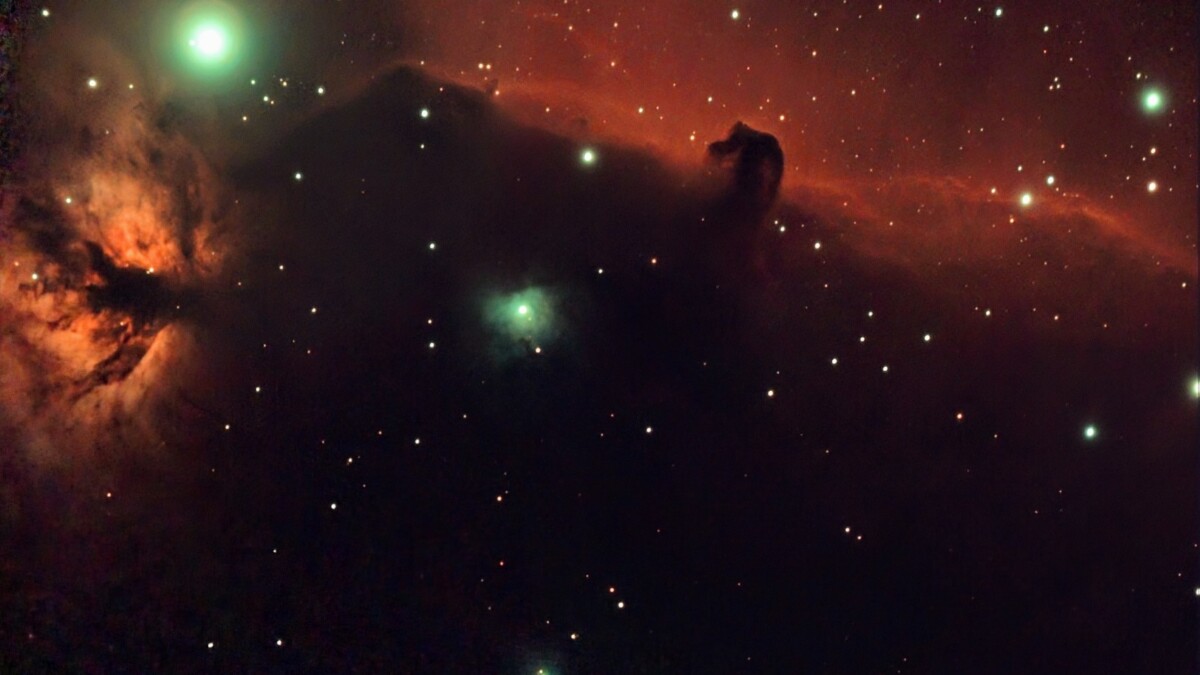
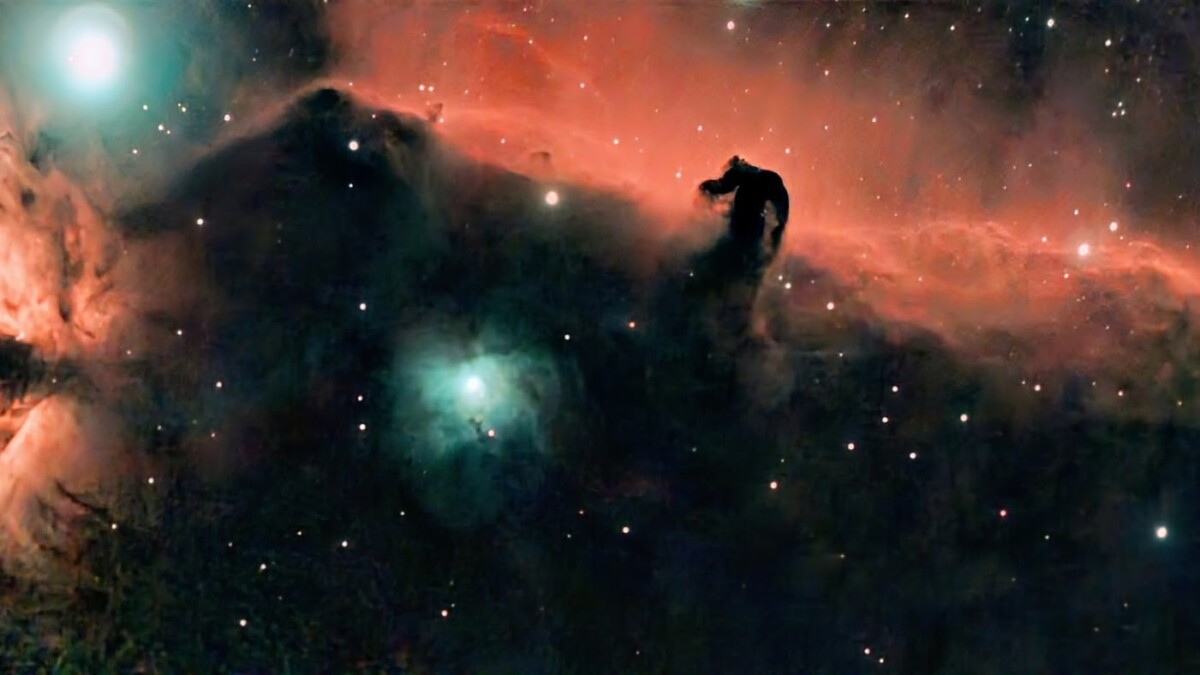
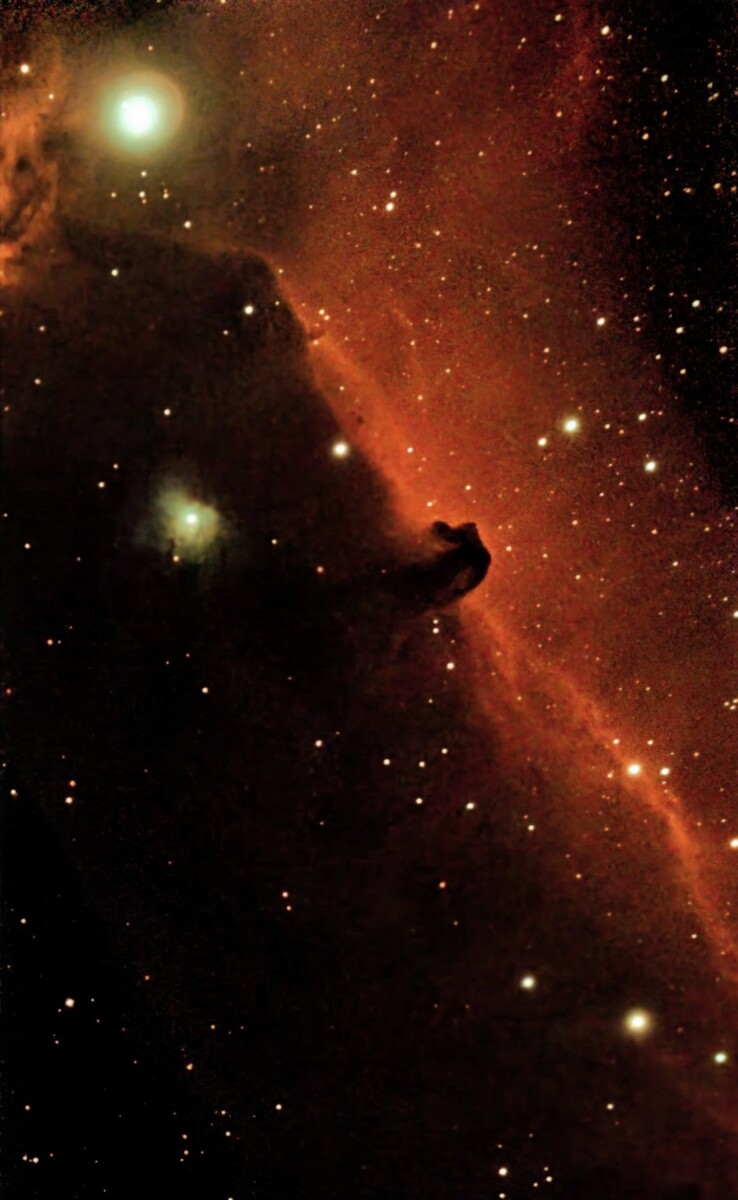
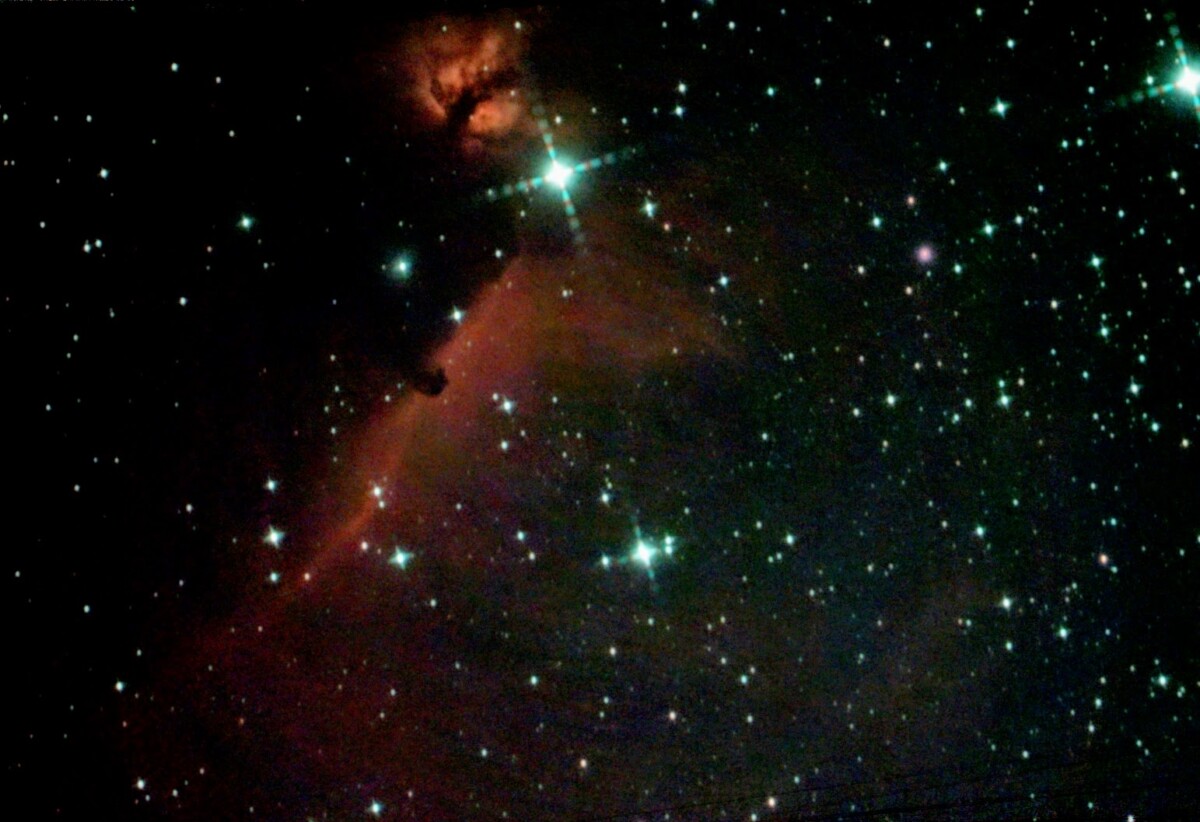
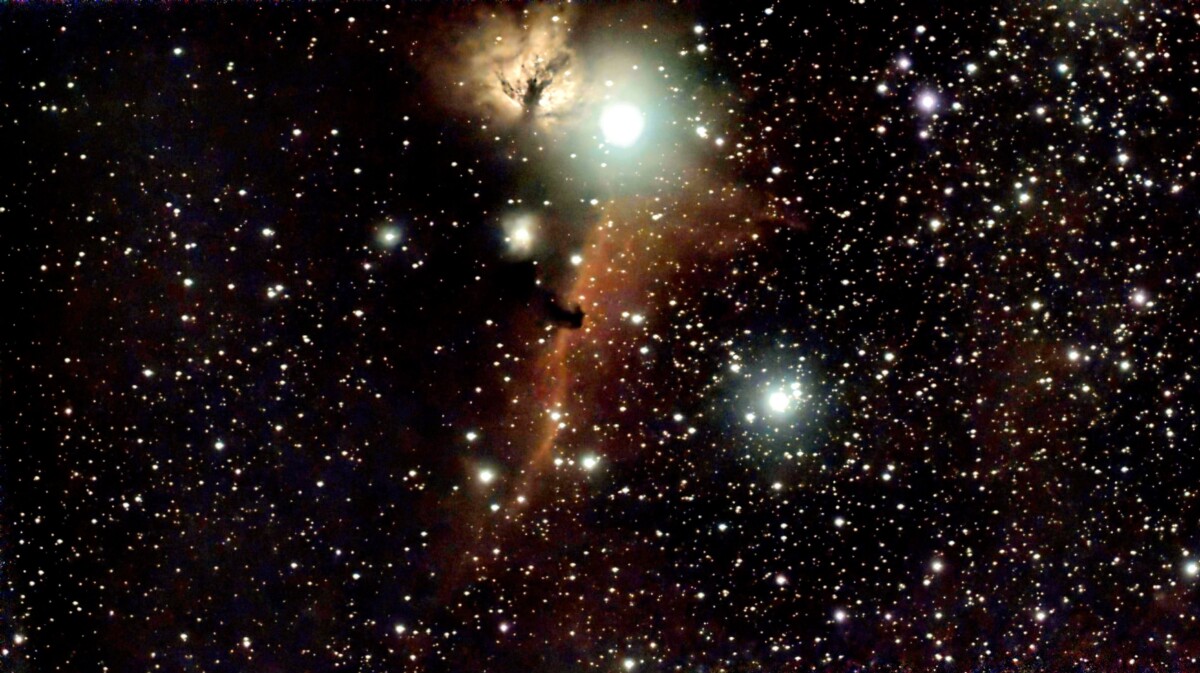
Behold the Iconic Horsehead Nebula!
Captured from my backyard in Bolivar, Missouri, this image brings to light the breathtaking Horsehead Nebula (Barnard 33) in remarkable detail, all thanks to the capabilities of my Dwarf 3 smart telescope.
Resembling a dark silhouette of a knight's chess piece, the Horsehead Nebula is a dark nebula, a fascinating cloud of cosmic dust that obscures the radiant light from stars situated behind it. It resides within the vast Orion Molecular Cloud complex, at a distance of approximately 1,500 light-years in the constellation Orion. The beautiful reddish glow that illuminates the area around the Horsehead originates from ionized hydrogen gas, part of the emission nebula known as IC 434. This gas is energized by the intense radiation from the nearby bright star, Sigma Orionis.
These nebulae are known as stellar nurseries, regions in space where new stars are actively being born. Dark dust clouds like the Horsehead are dense concentrations of gas and dust that, under the force of gravity, collapse and give rise to new stars.
It's truly awe-inspiring to realize that this stunning cosmic vista, unfolding thousands of light-years away, has been captured with a compact smart telescope right from my backyard. Wishing you clear skies and happy observing!
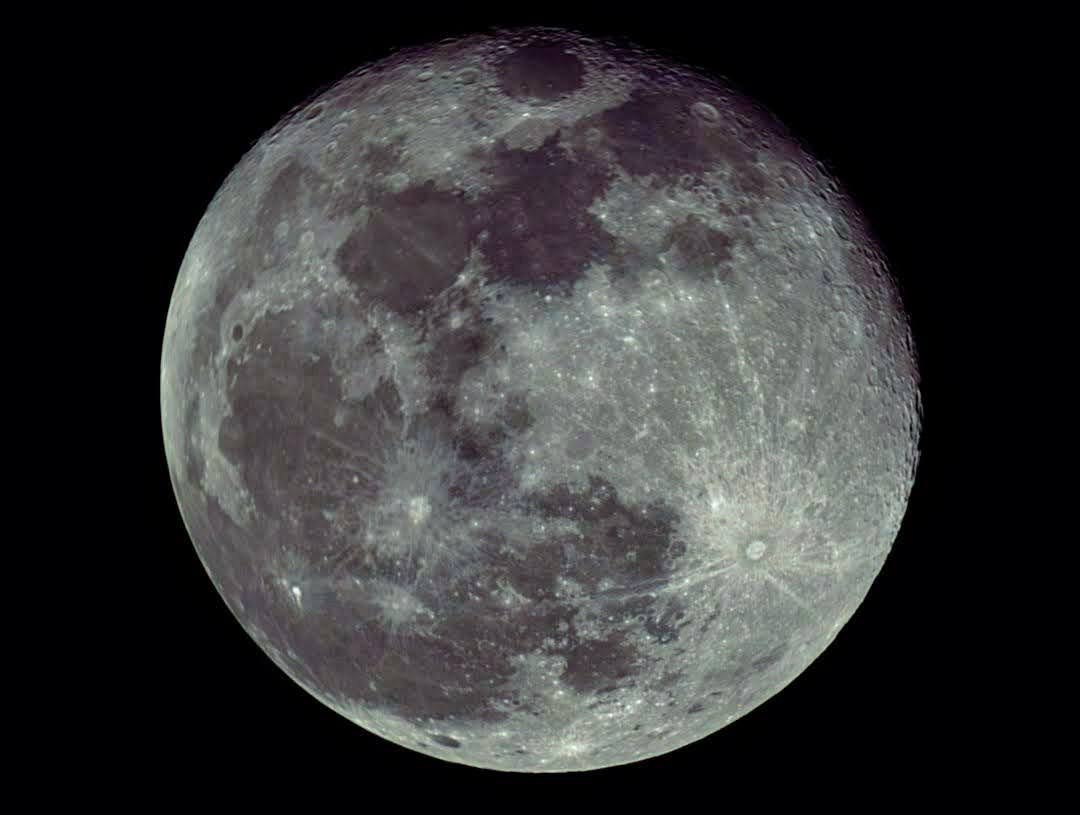
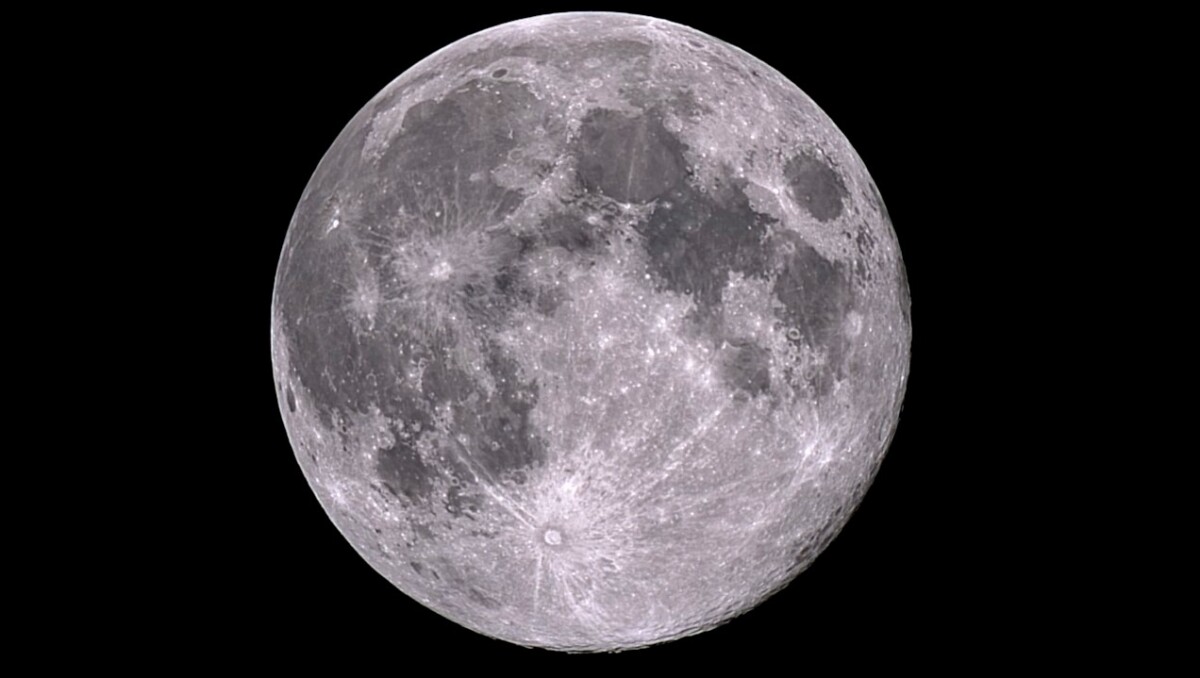
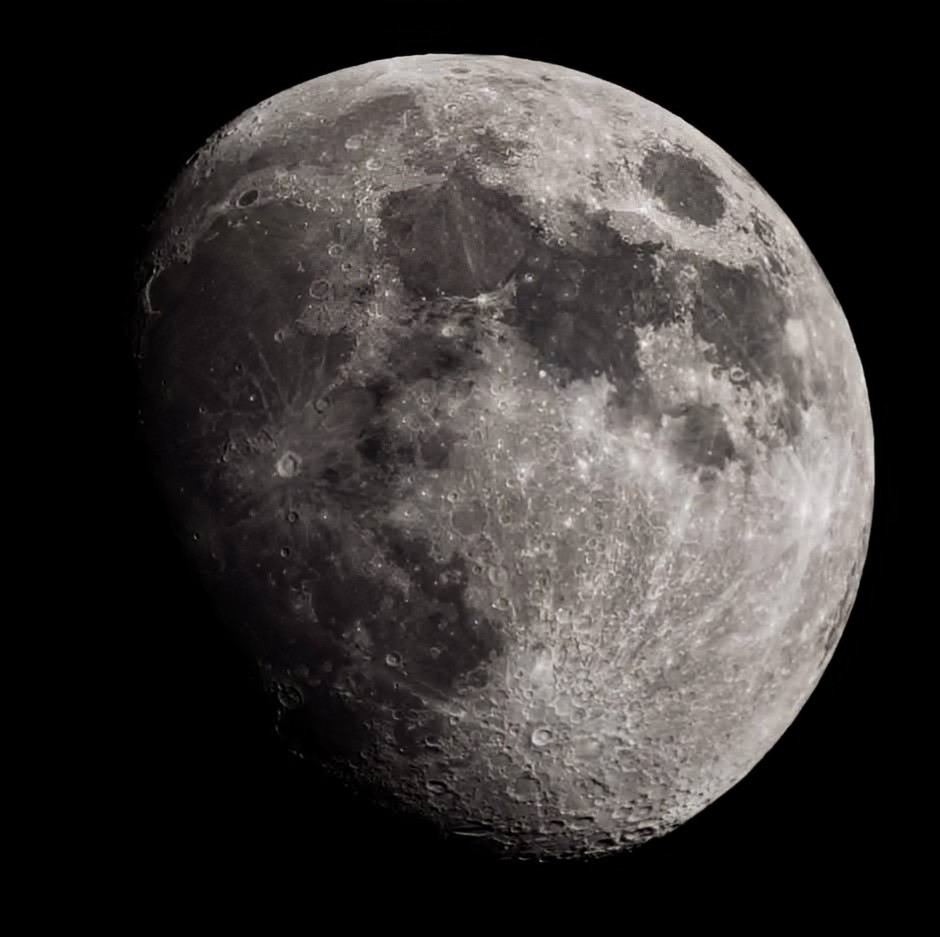
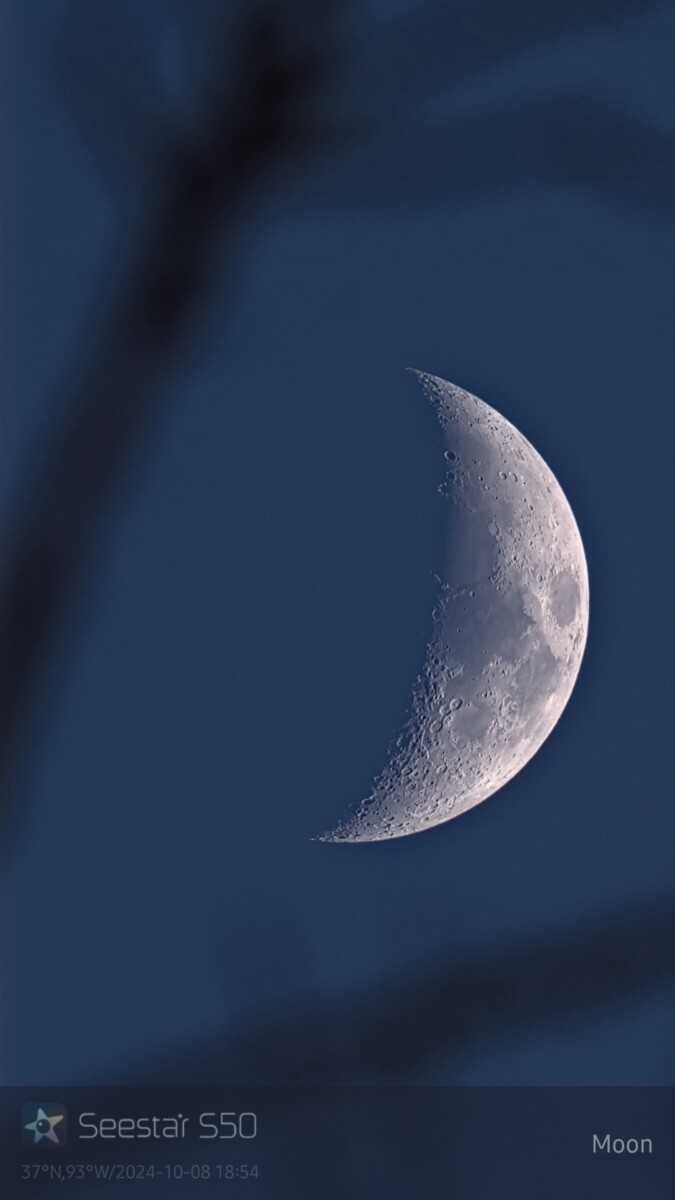
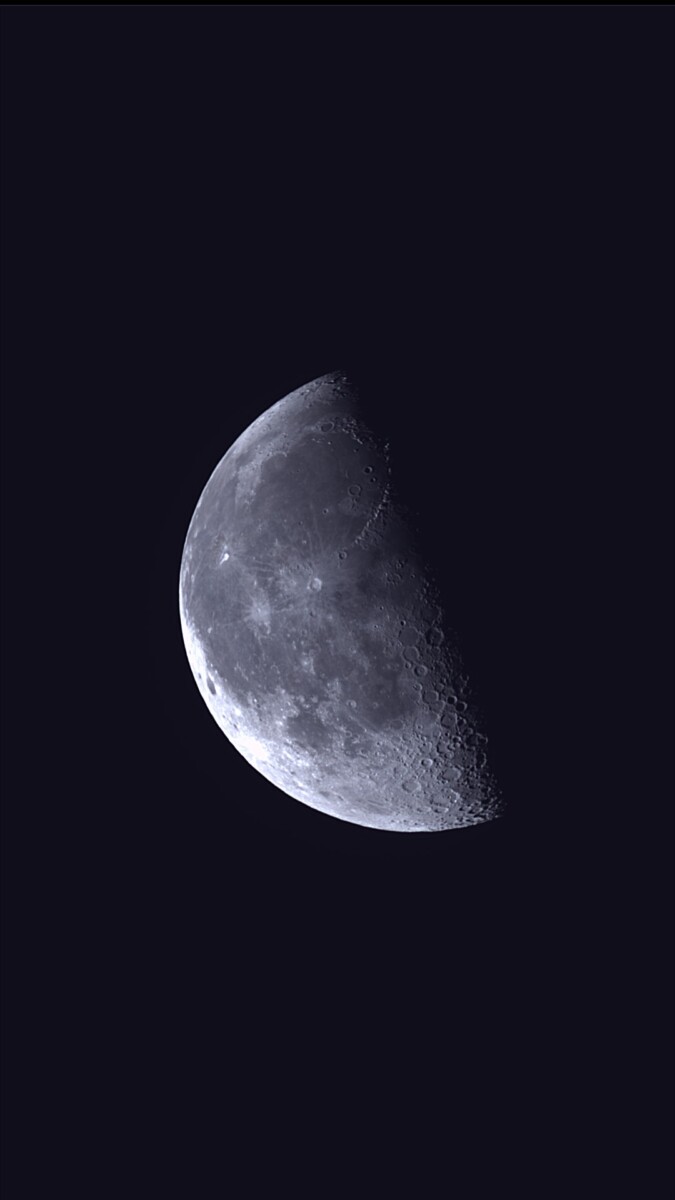
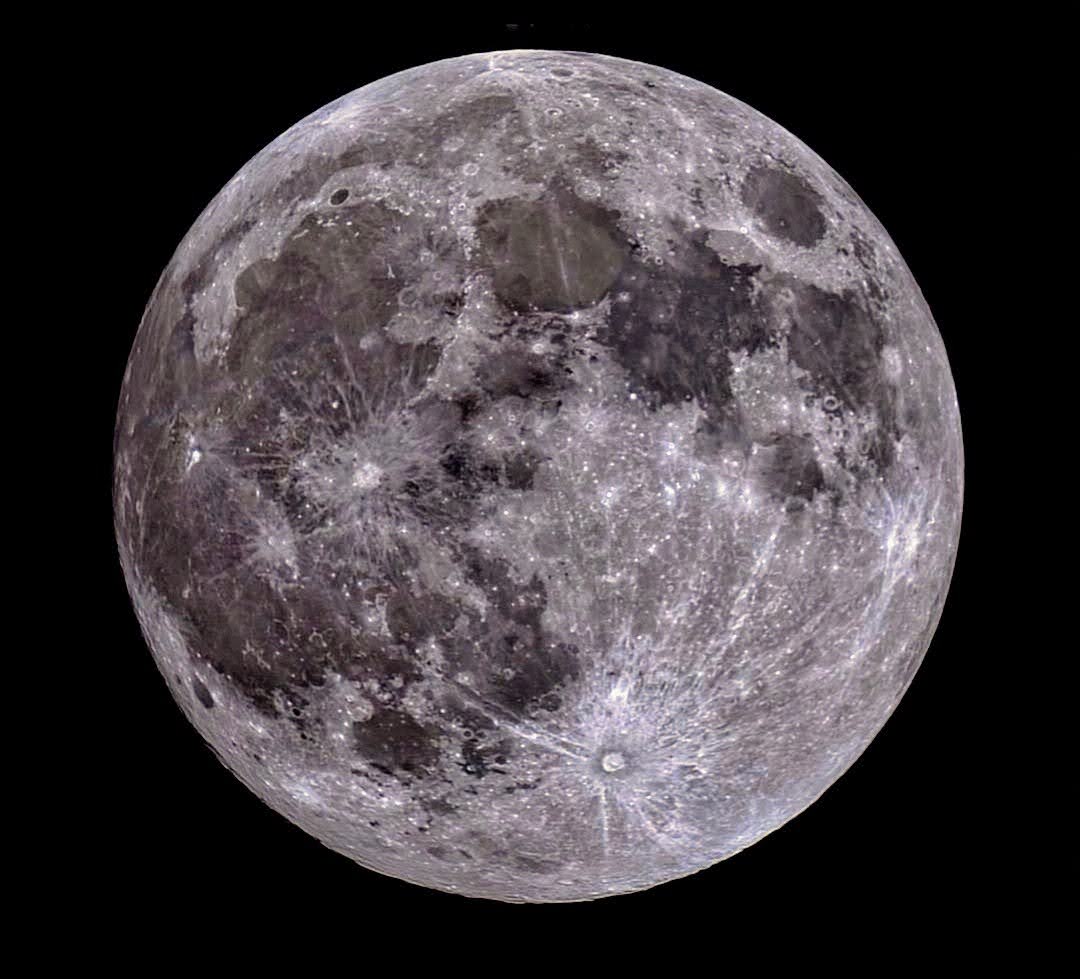
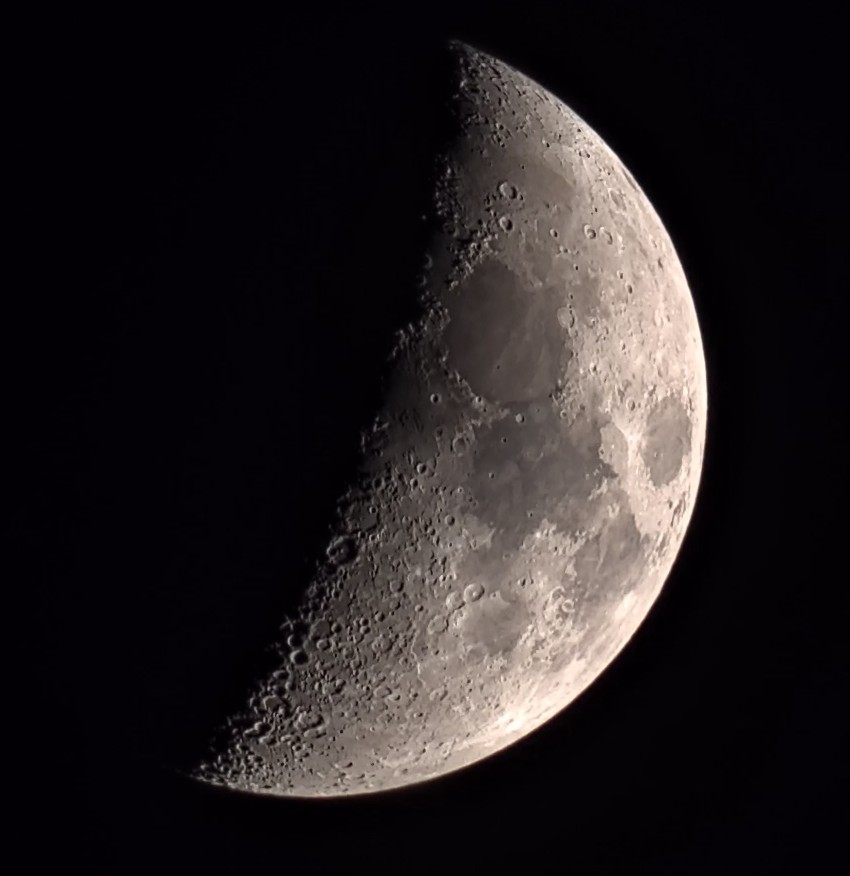
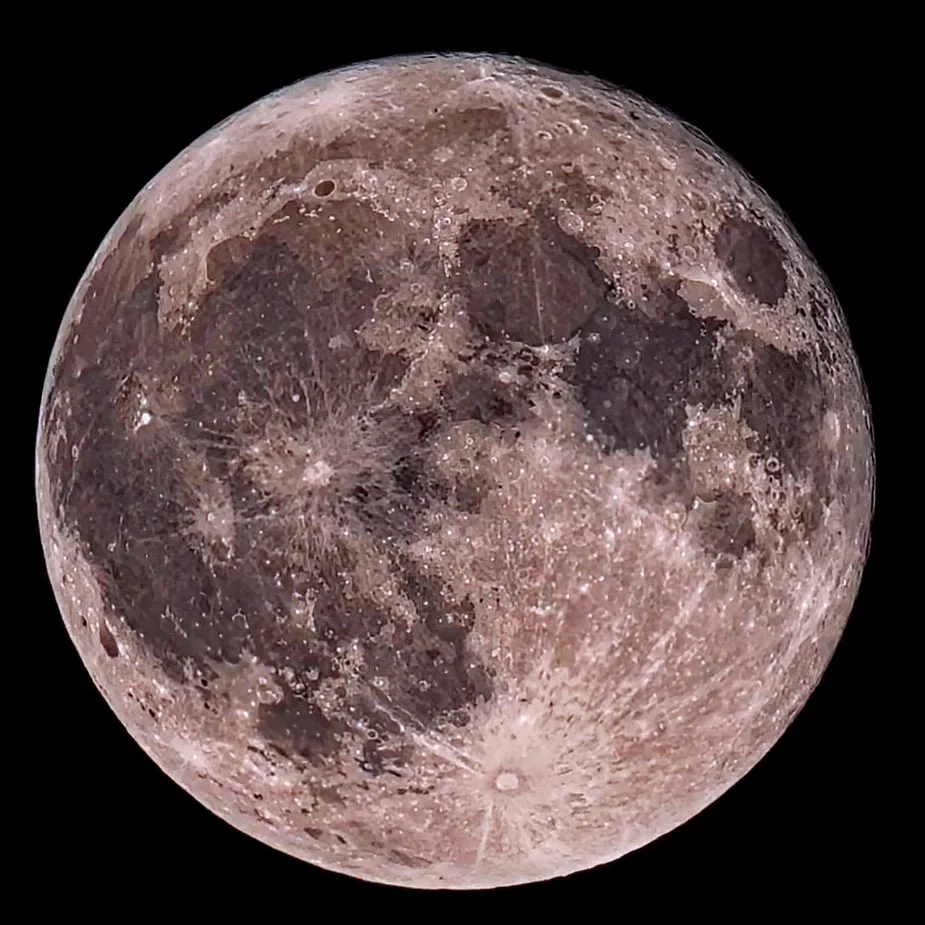
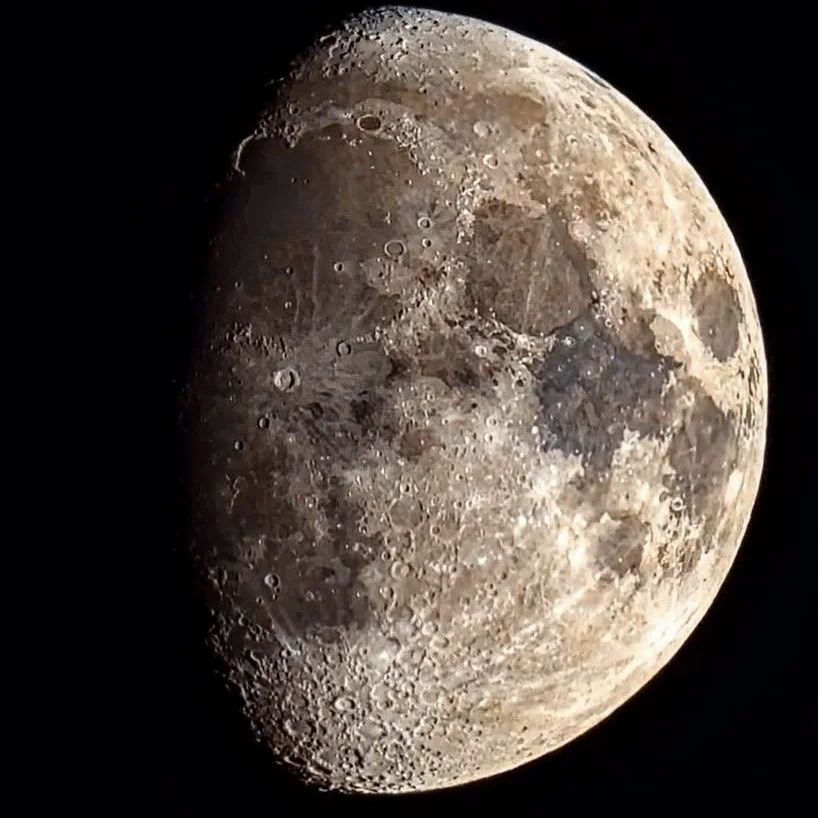
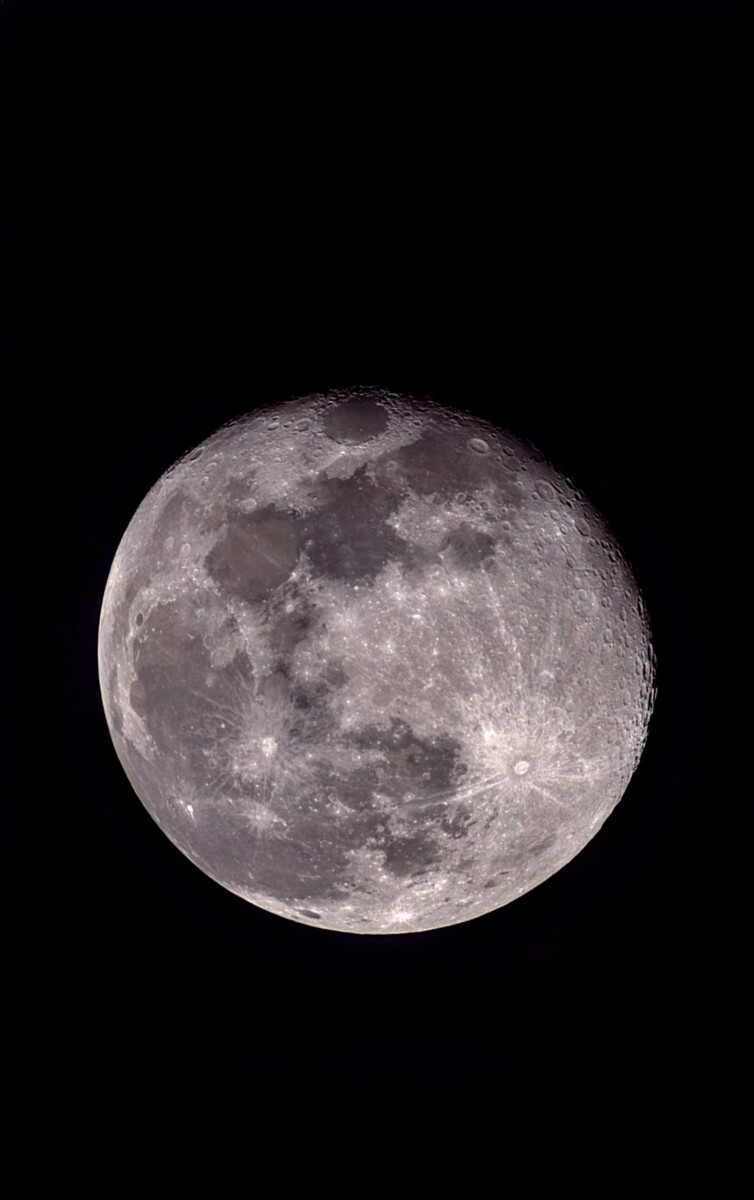
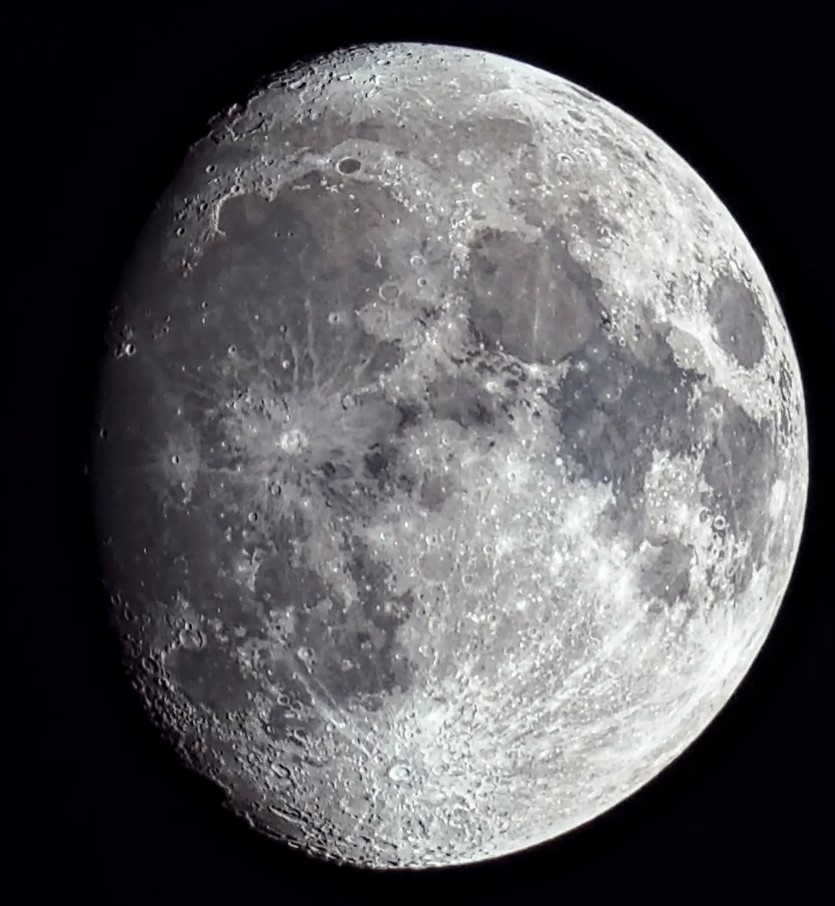
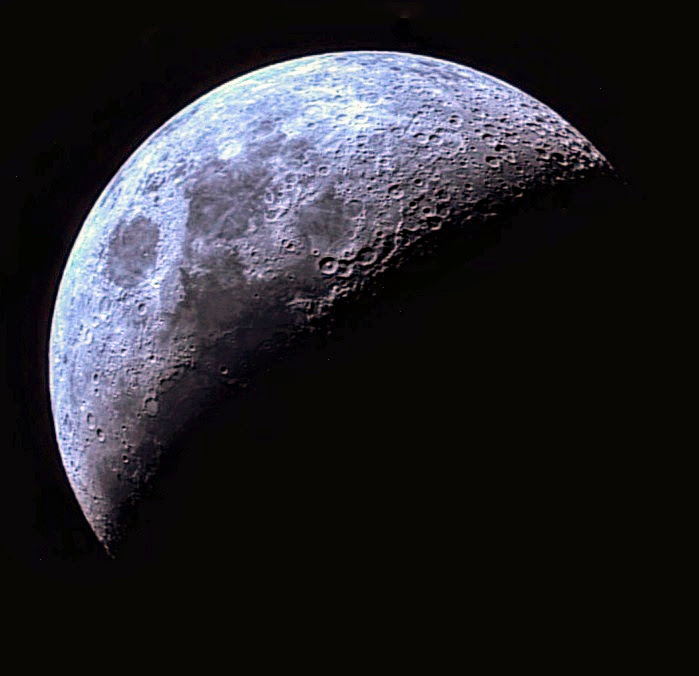
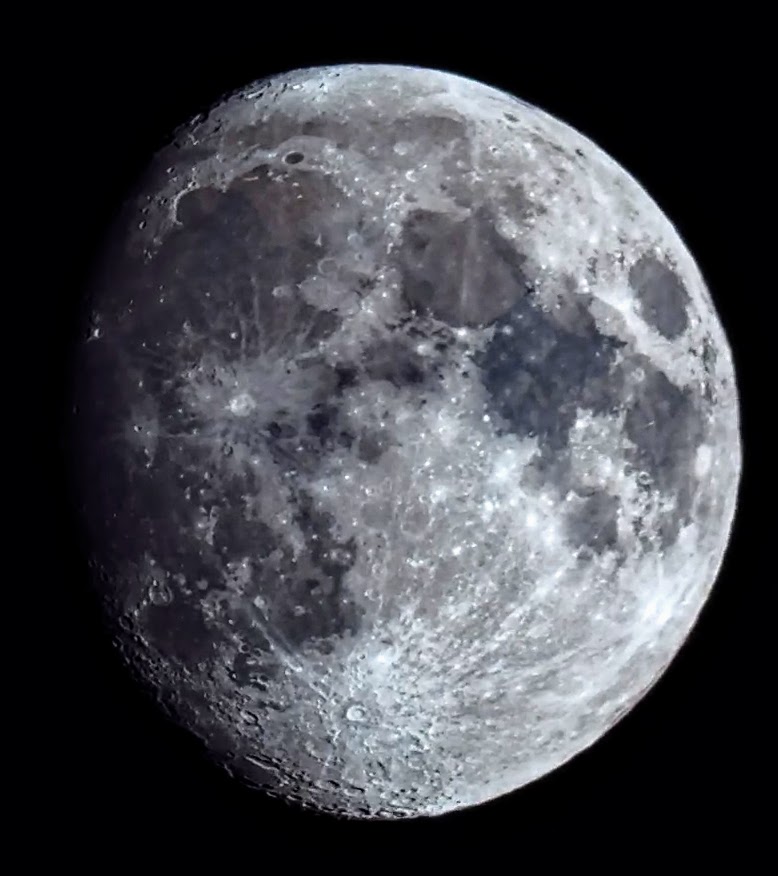
Behold, the majestic Snow Moon! 🌕 Captured its serene beauty through my @Seestar S50. Known as the Snow Moon because February's full moon often coincides with heavy snowfall, it truly lives up to its name. Those crisp craters and lunar details are simply breathtaking.
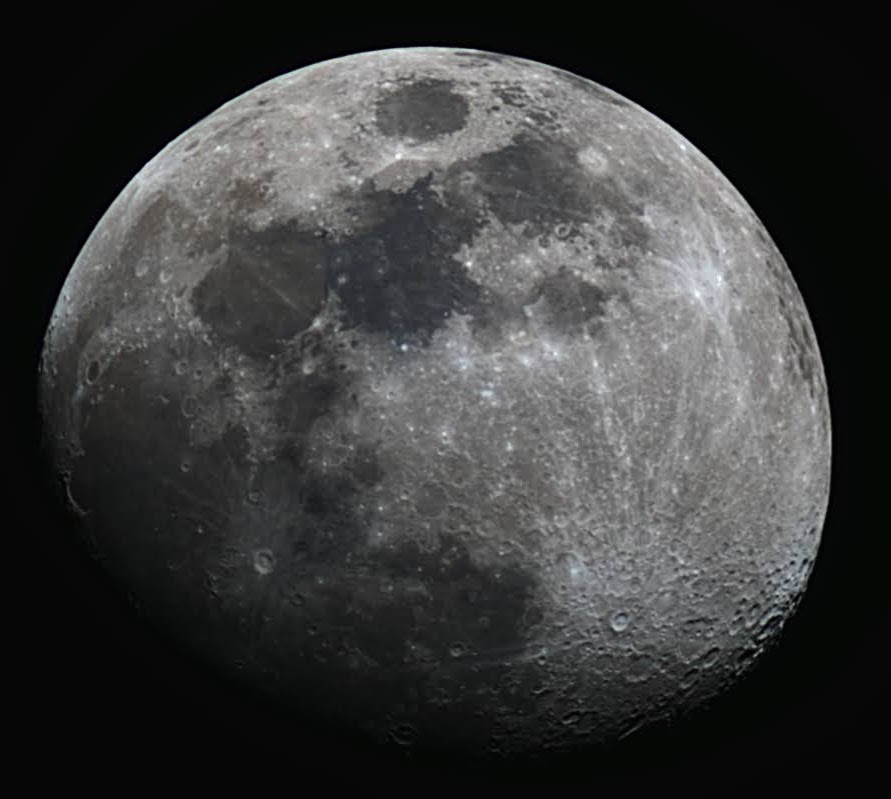
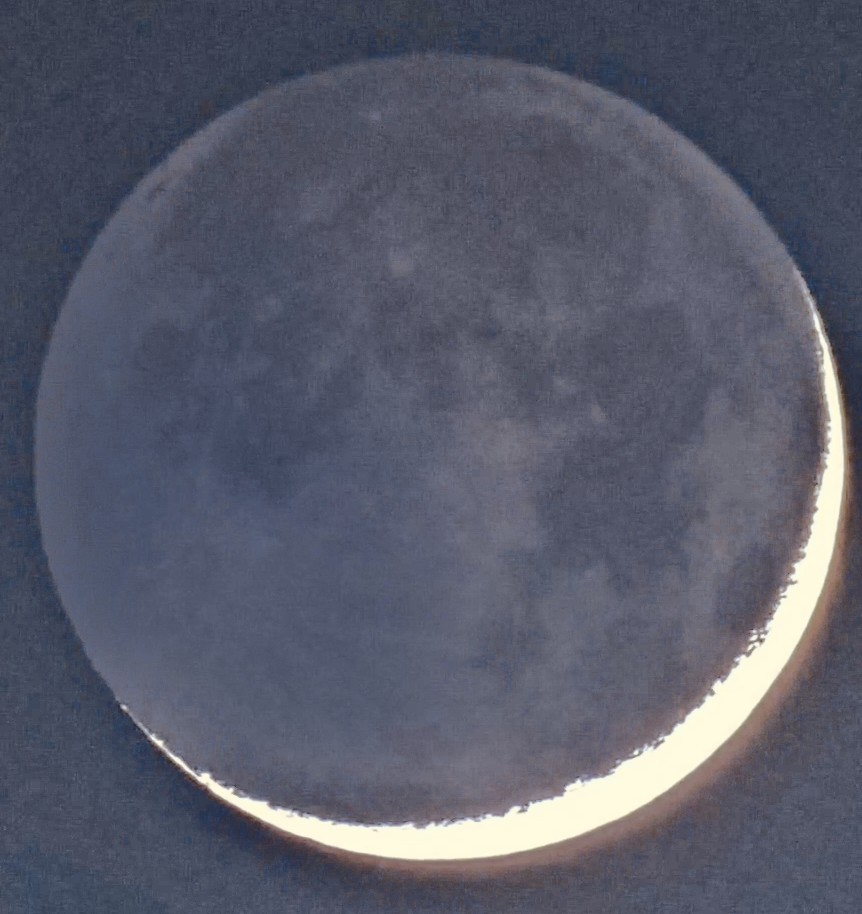
Serene Majesty: Unveiling the Moon's Delicate Glow
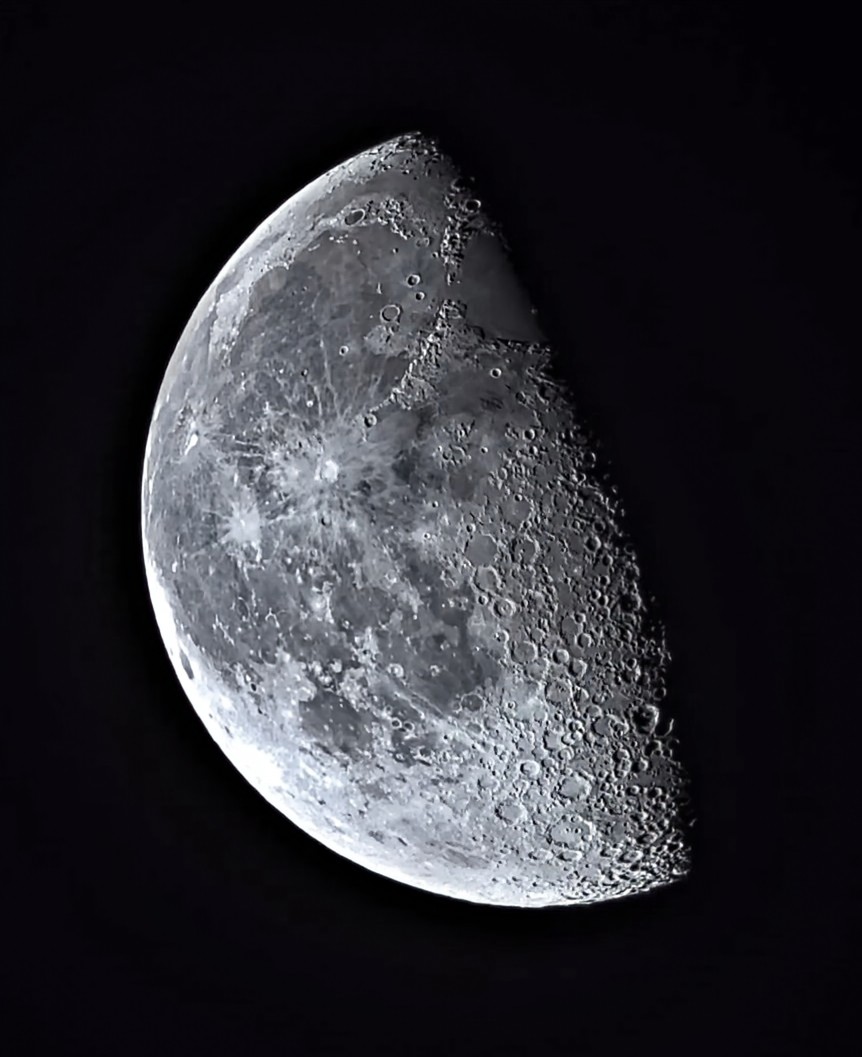
Tonight, I had the pleasure of capturing this serene image of the moon using my Seestar S50 telescope. The subtle textures and gentle glow always leave me in awe. To bring out the finer details and correct the colors, I used PixInsight for post-processing.
It's remarkable how much detail you can capture with the right equipment and a little patience. The Seestar S50 continues to impress me with its capabilities, and PixInsight is an indispensable tool for bringing these celestial captures to life.
I hope you enjoy this glimpse of our moon's quiet majesty as much as I enjoyed capturing it.
Pleiades (m42)
This image showcases the Pleiades star cluster, a prominent open cluster located in the constellation Taurus. The cluster is dominated by hot, blue B-type stars, which are responsible for the distinctive blue color of the surrounding nebulosity. This nebulosity is a reflection nebula, meaning that it is caused by starlight scattering off dust grains in the interstellar medium. The Pleiades cluster is approximately 444 light-years away from Earth and spans around 13 light-years in diameter. It is a popular target for both amateur and professional astronomers due to its striking beauty and relative brightness.
January
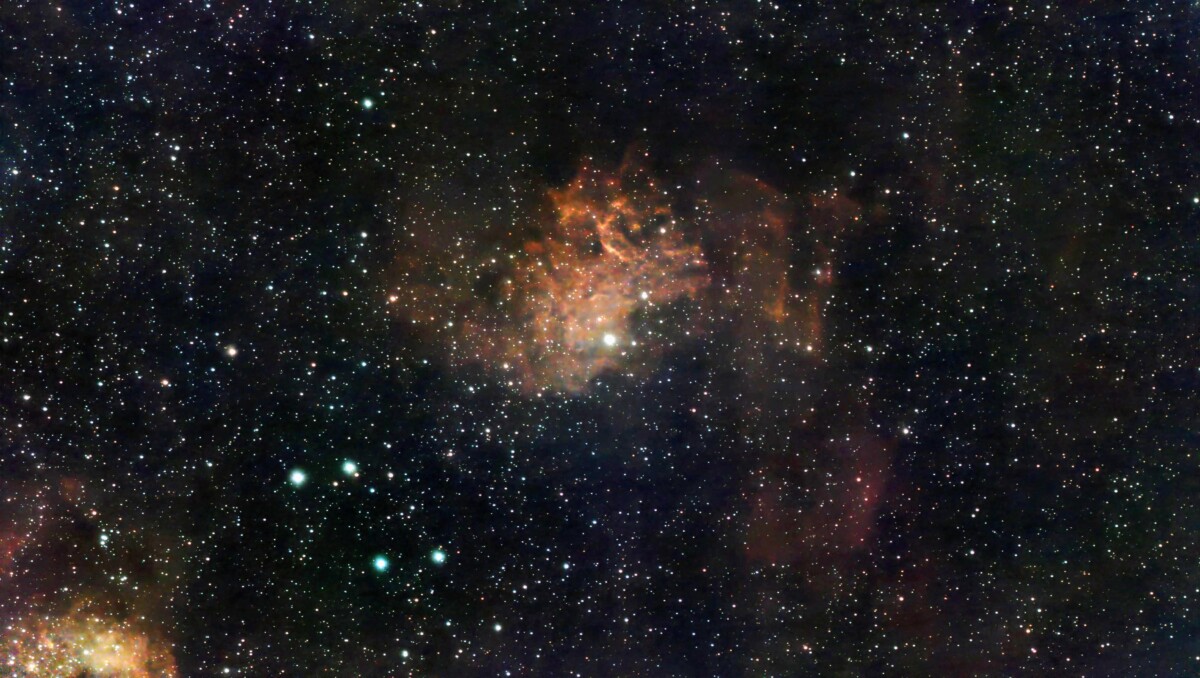
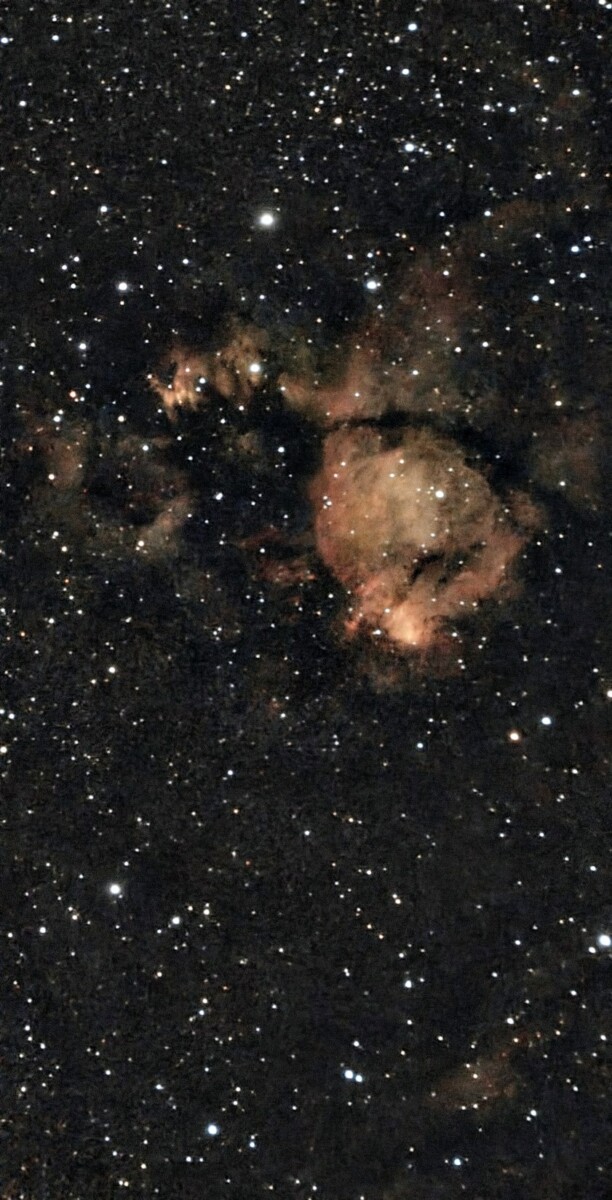
The Flaming Star Nebula (IC 405) burning bright in the constellation Auriga! 🔥 Captured with my Dwarf 3 telescope and a dual-band filter for 2 hours of exposure. A bit of Google Photos magic to bring out the colors.
A vibrant image of the Flaming Star Nebula (IC 405), an emission nebula located about 1,500 light-years away in the constellation Auriga. The nebula's intricate structure is revealed, showcasing the glowing gas and dust clouds illuminated by the energetic star AE Aurigae. The reddish hues from the ionized hydrogen gas are prominent, creating the "flaming" appearance.
Additional Information:
Flaming Star Nebula (IC 405): This emission nebula is a mix of glowing gas and dark dust clouds. The star AE Aurigae, a runaway star that likely originated from the Orion Nebula, is responsible for energizing the nebula and causing it to emit light.
Dual Band Filter: Using a dual-band filter allowed you to isolate specific wavelengths of light emitted by the nebula, enhancing the contrast and details in the image.
Telescope: You captured this image with your Dwarf 3 telescope, demonstrating its capability for capturing deep-sky objects like emission nebulae.
Processing: This image is a result of 2 hours of total exposure time. You used Google Photos to adjust the levels and enhance the colors, bringing out the nebula's beauty.
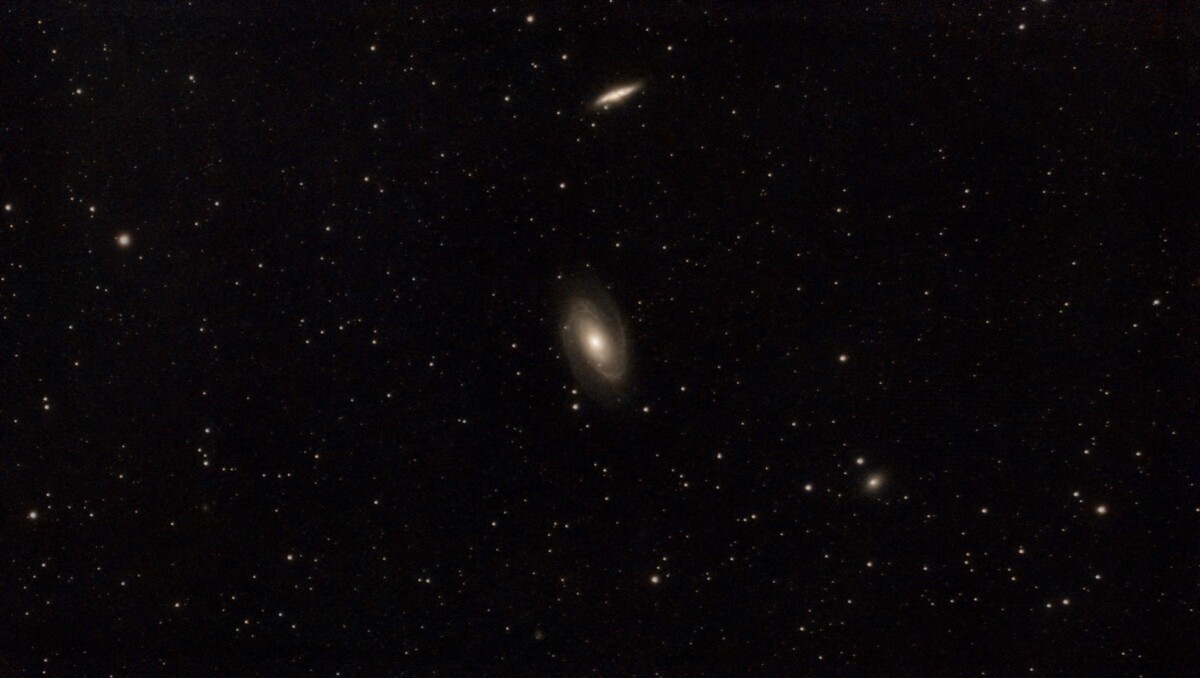
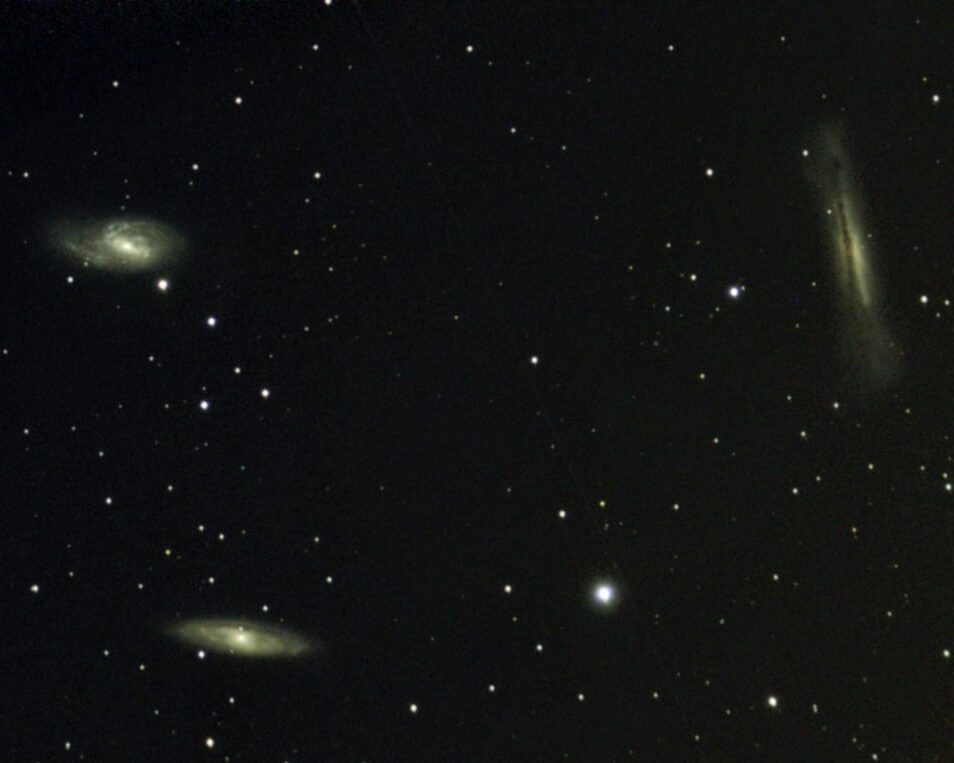
A cosmic dance! Bode's Galaxy (M81) and the Cigar Galaxy (M82) putting on a show in the constellation Ursa Major. This is a stack of 3 hours of exposure, captured with my Dwarf 3 telescope and processed in-scope. Used Google Photos to add some extra pop!
A stunning image of Bode's Galaxy (M81), a grand design spiral galaxy located about 12 million light-years away in the constellation Ursa Major. Its spiral arms are clearly visible, sprinkled with bright star-forming regions. Just above Bode's Galaxy, we can spot the more elongated shape of the Cigar Galaxy (M82), known for its intense starburst activity.
Additional Information:
Bode's Galaxy (M81): This galaxy is a classic example of a spiral galaxy, with well-defined arms and a bright central bulge. It's slightly larger than our own Milky Way galaxy.
Cigar Galaxy (M82): This irregular galaxy is undergoing a period of intense star formation, likely triggered by a close encounter with M81. It's known for its chaotic appearance and the reddish plumes of gas extending from its central region.
Telescope: You captured this image using your Dwarf 3 telescope, showcasing its ability to reveal details in these relatively bright galaxies.
Processing: This image is a stack of 3 hours of exposure, processed in-scope. Further enhancements were done using Google Photos to increase saturation and reduce background noise.
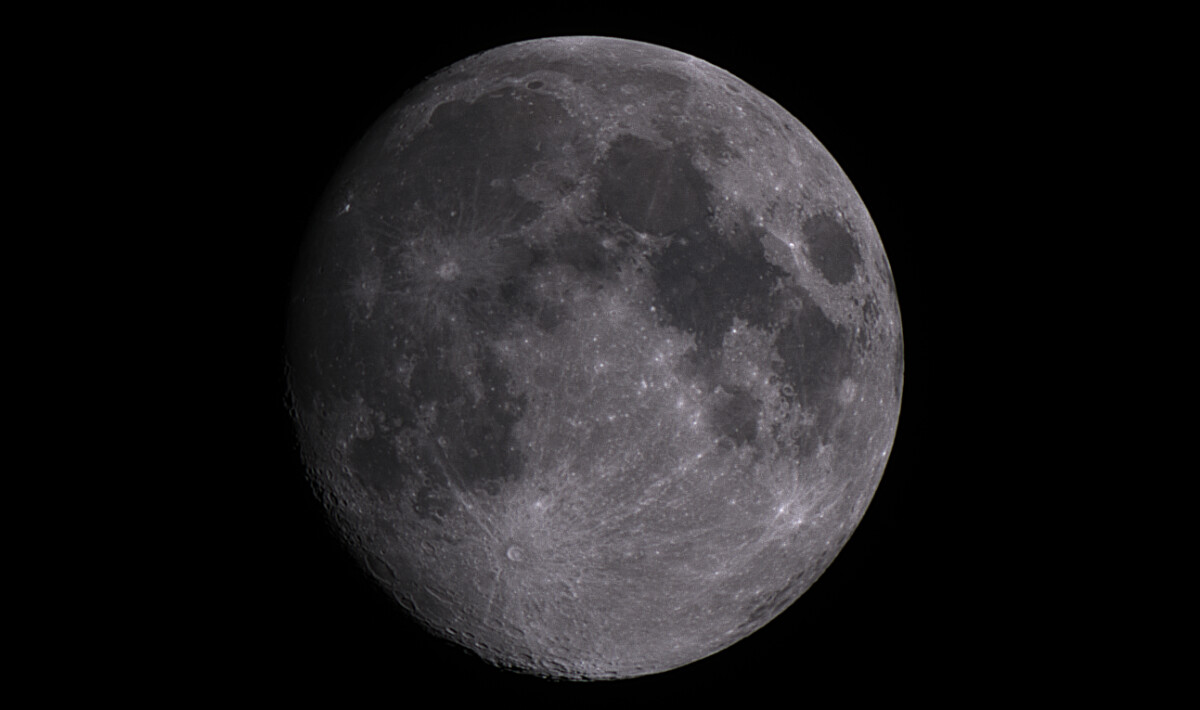
Did you know the first full moon of the year is called the Wolf Moon? Named for the wolves that would howl in hunger during the cold winter months. 🐺 Captured this one with my Dwarf 3 in Bolivar
Moon taken on the Dwarf 3. No editing other than cropping
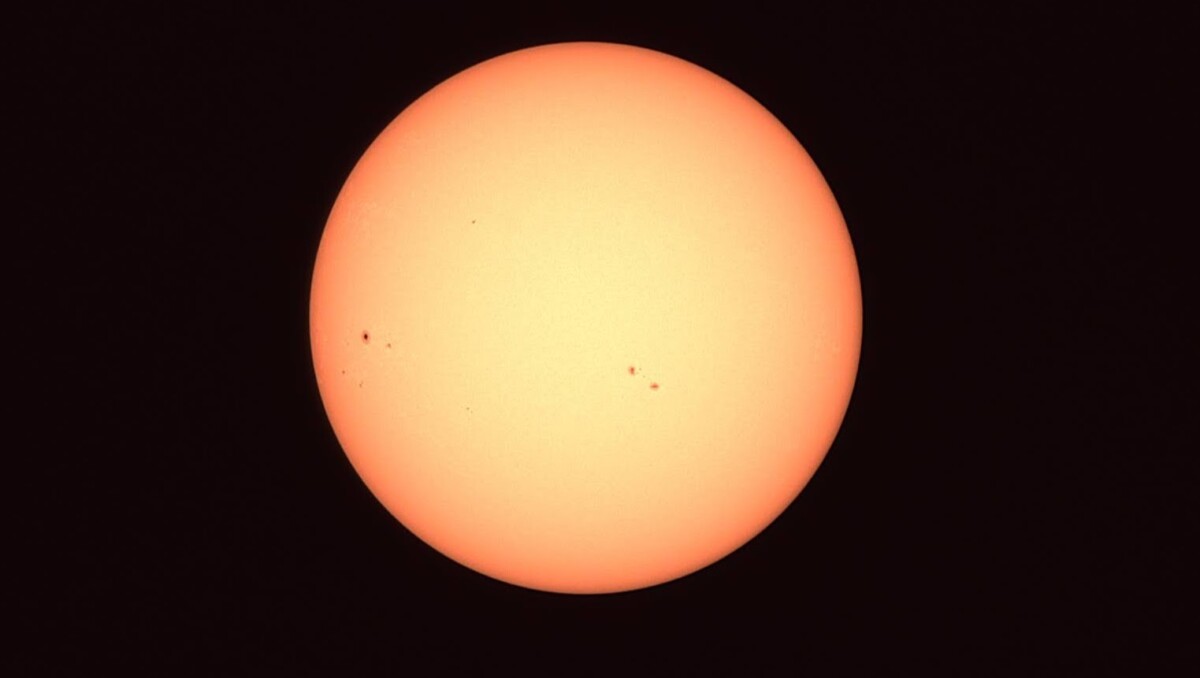
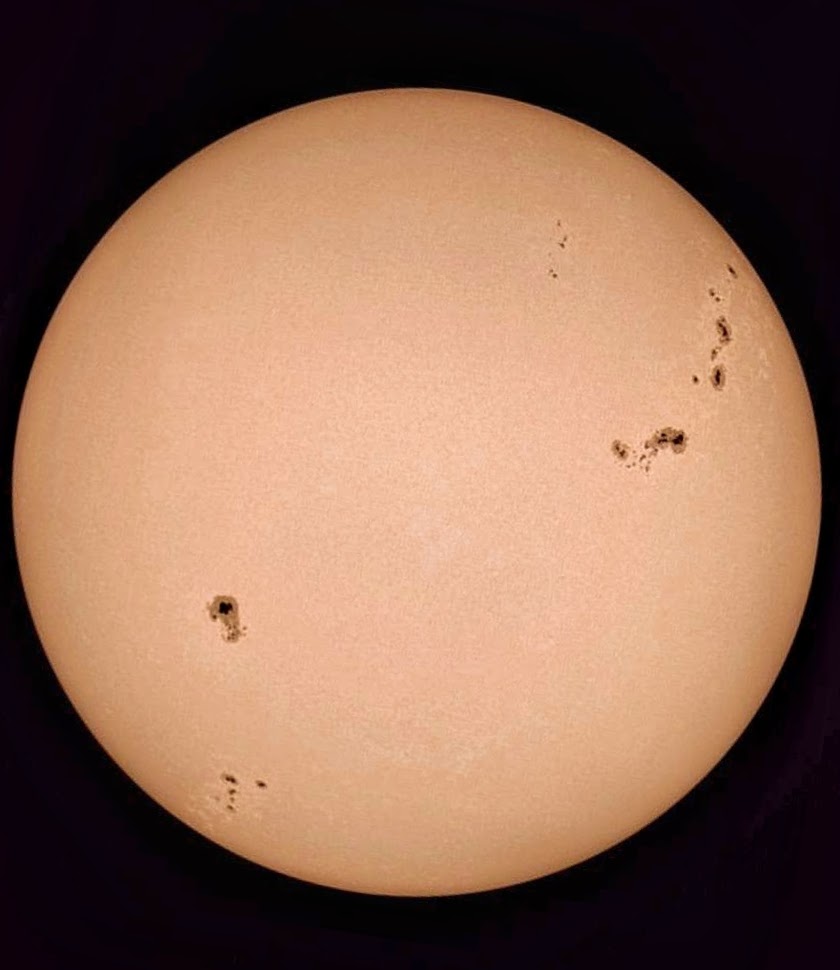
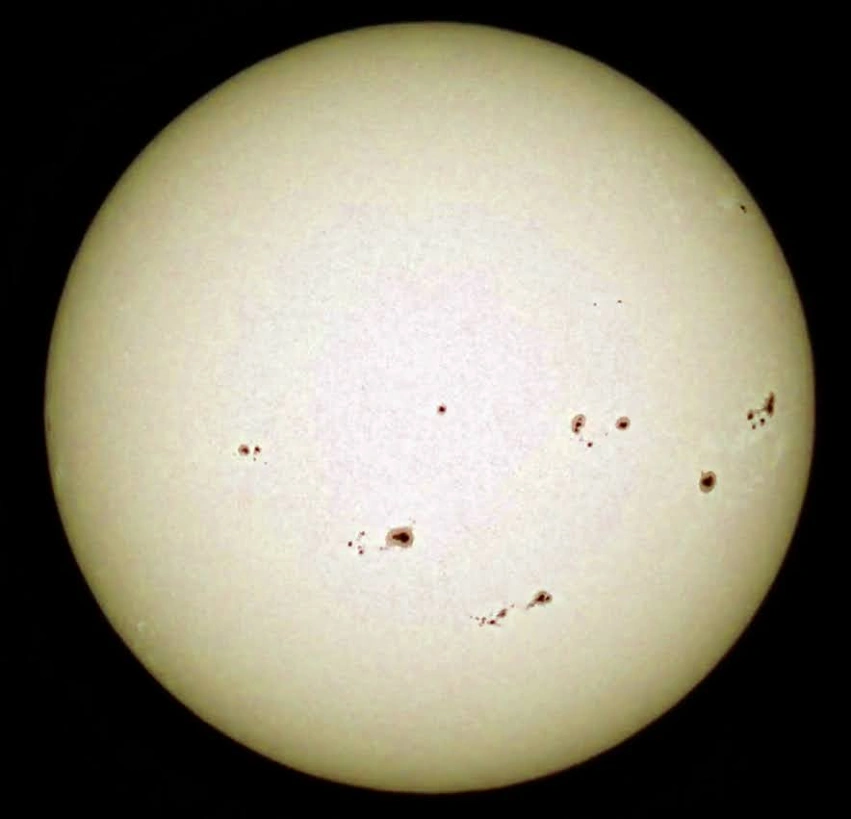
Sun
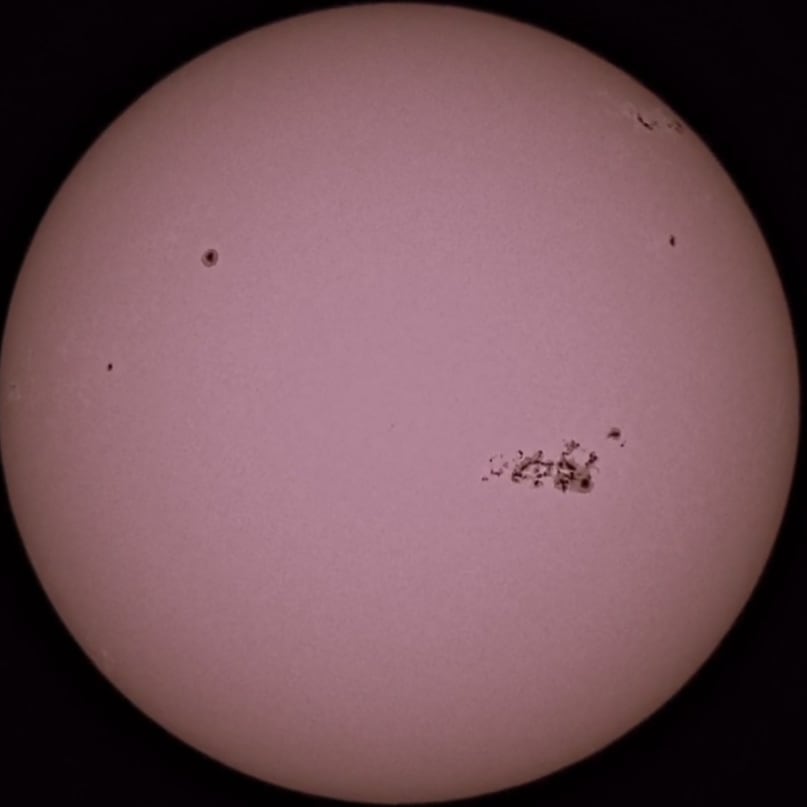
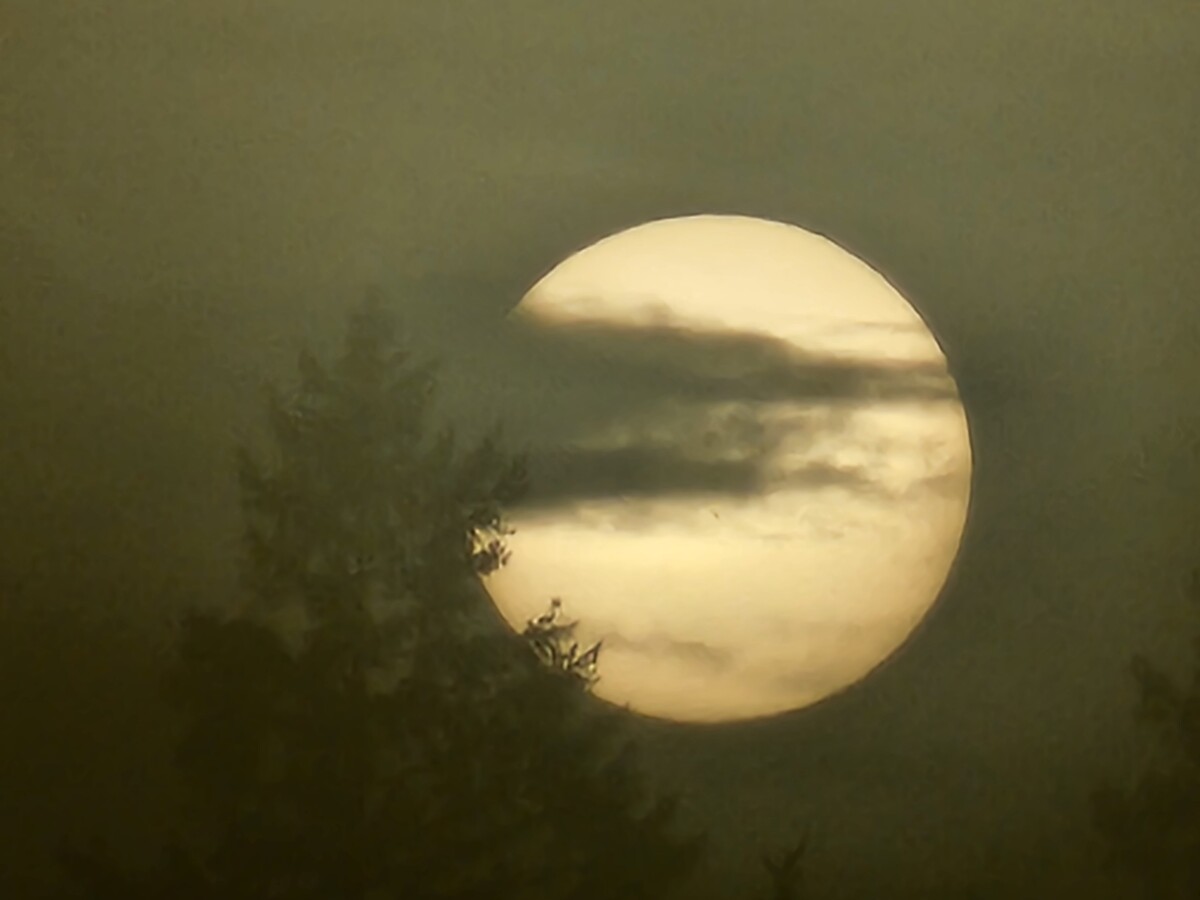
First light for the Dwarf 3! This telescope's debut image captures the Sun's fiery beauty and showcases intriguing sunspot activity. Taken on January 11, 2025.
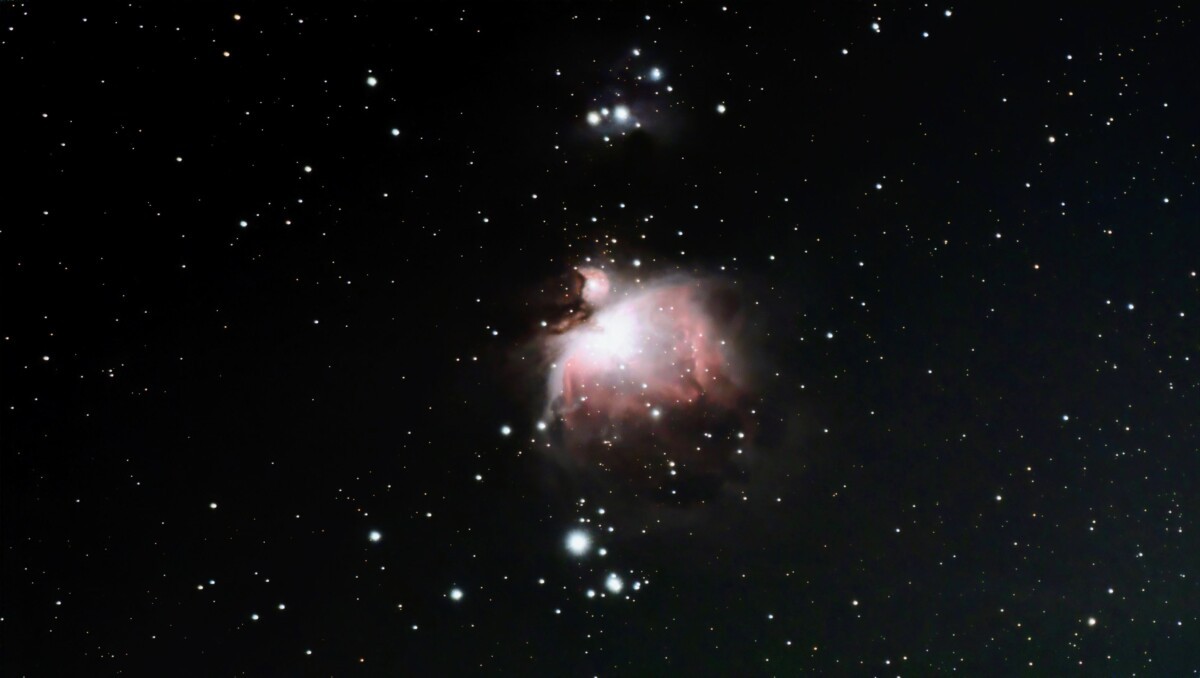
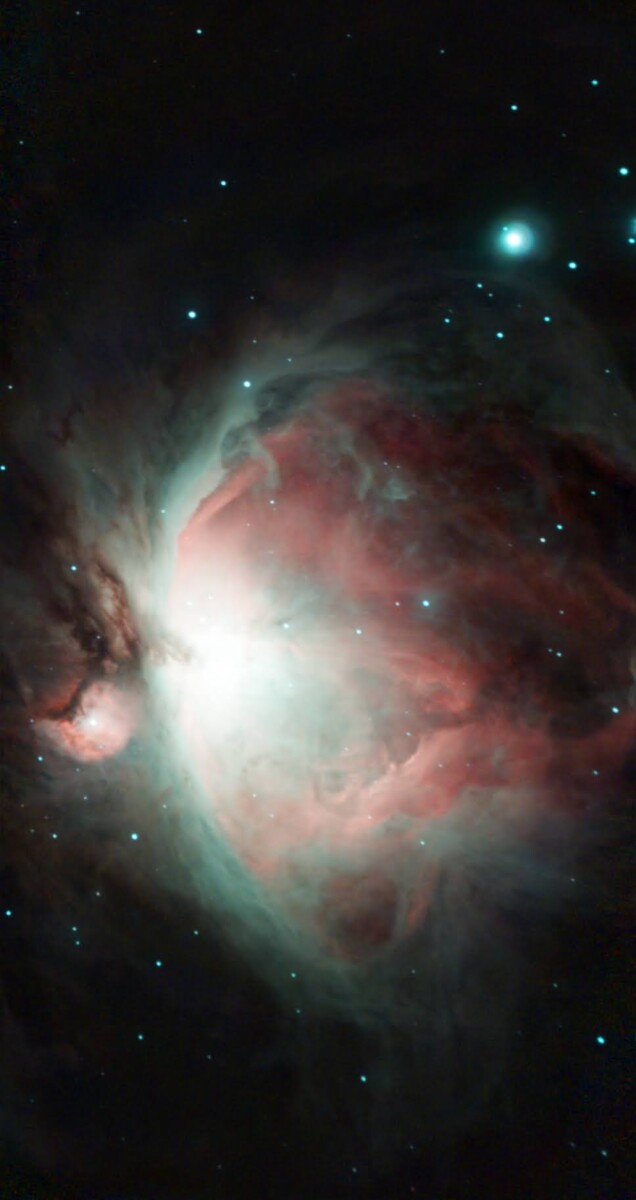
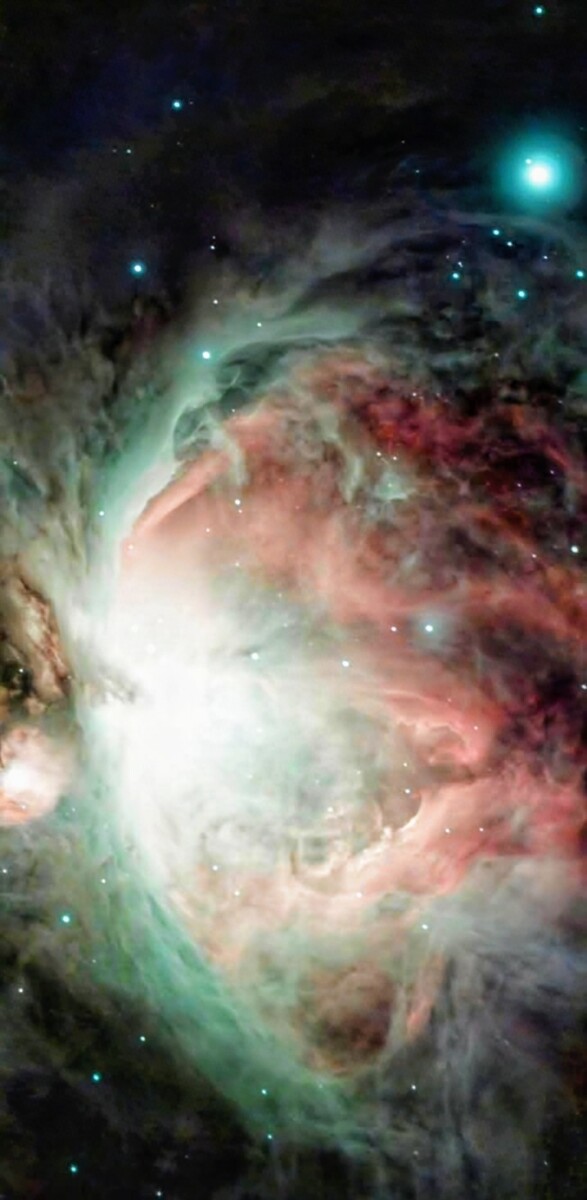
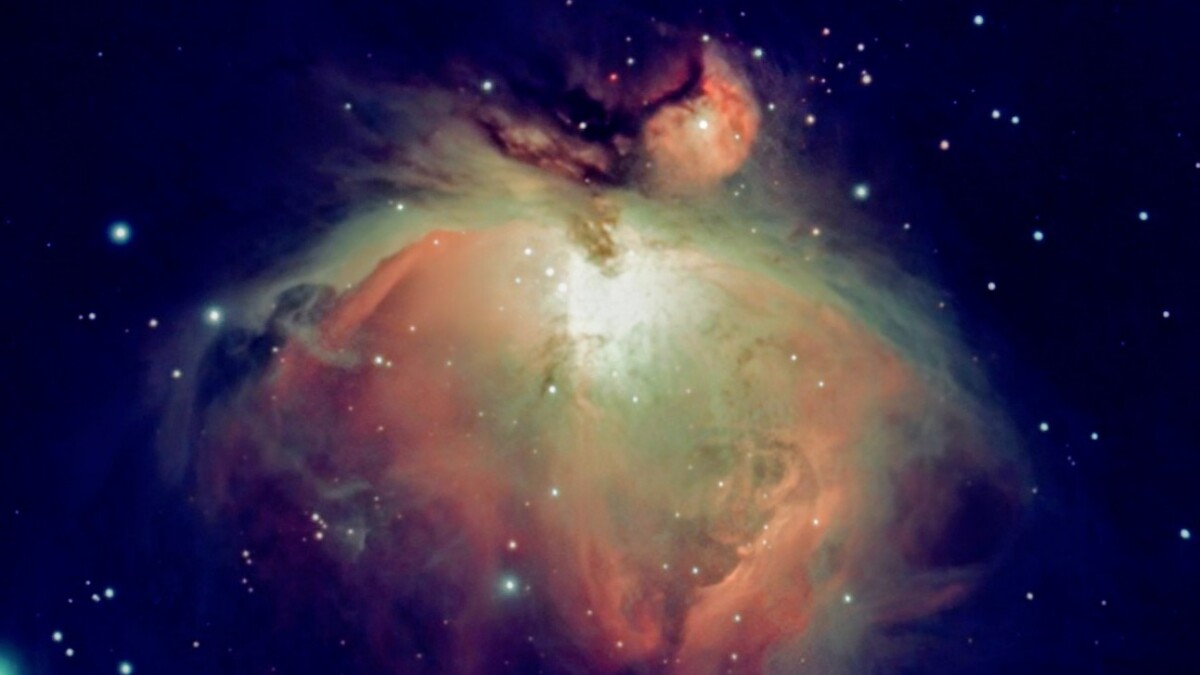
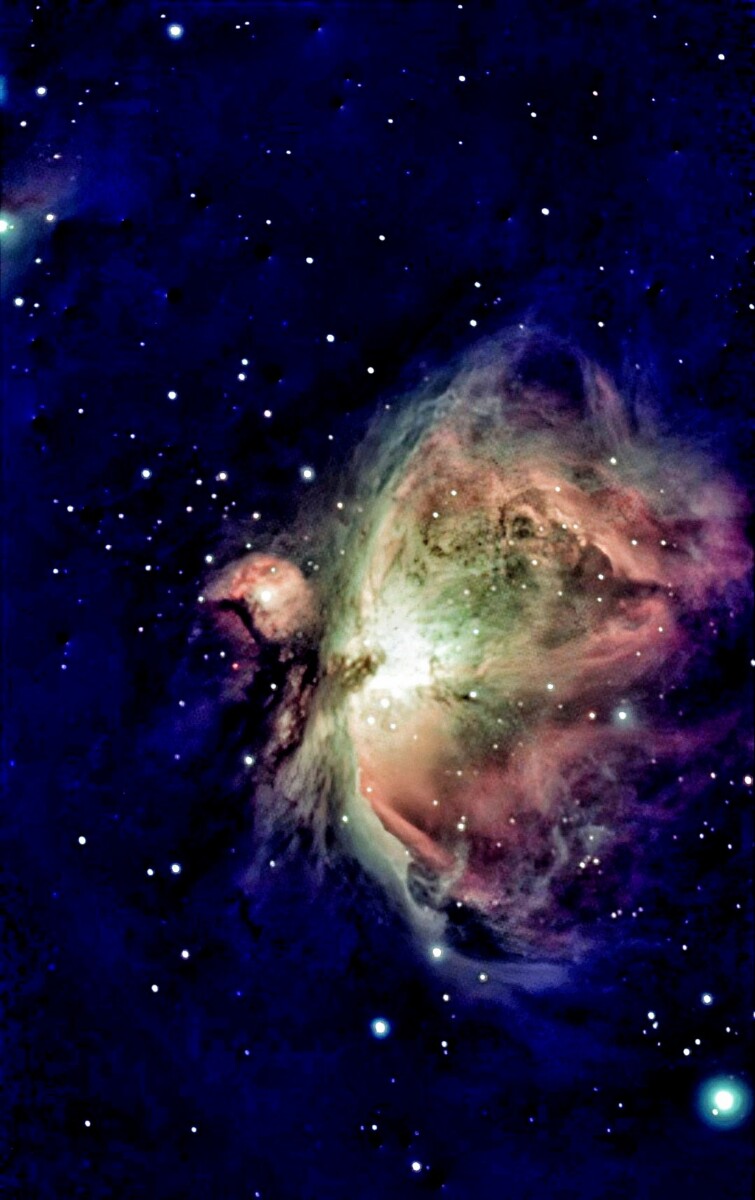
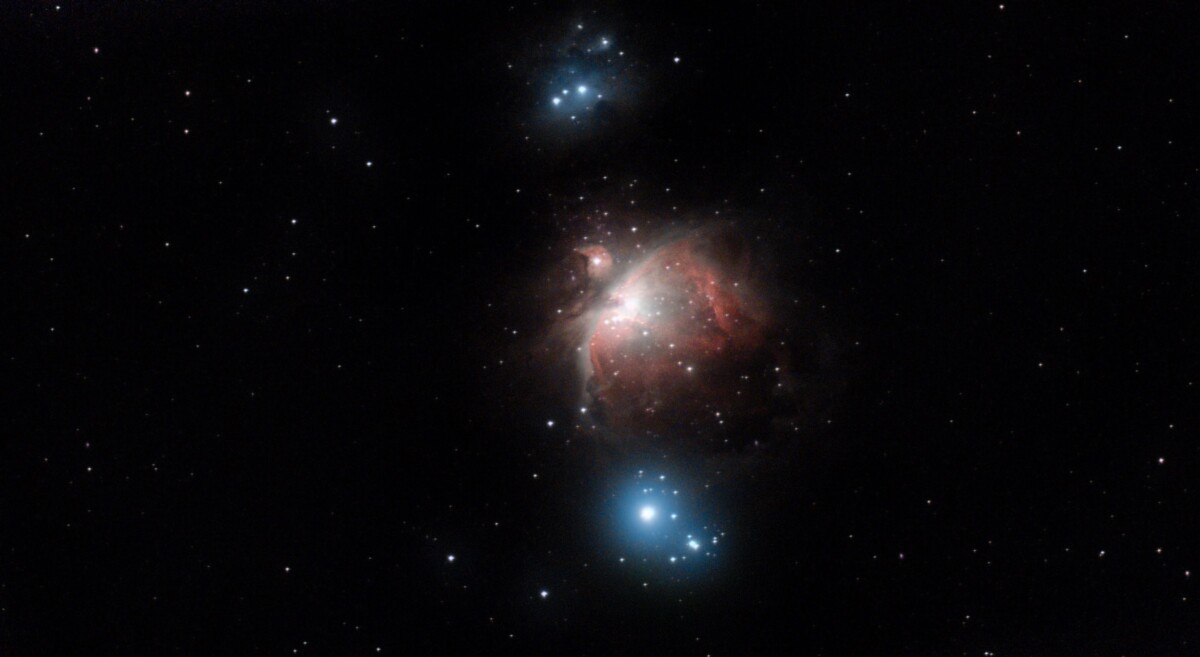
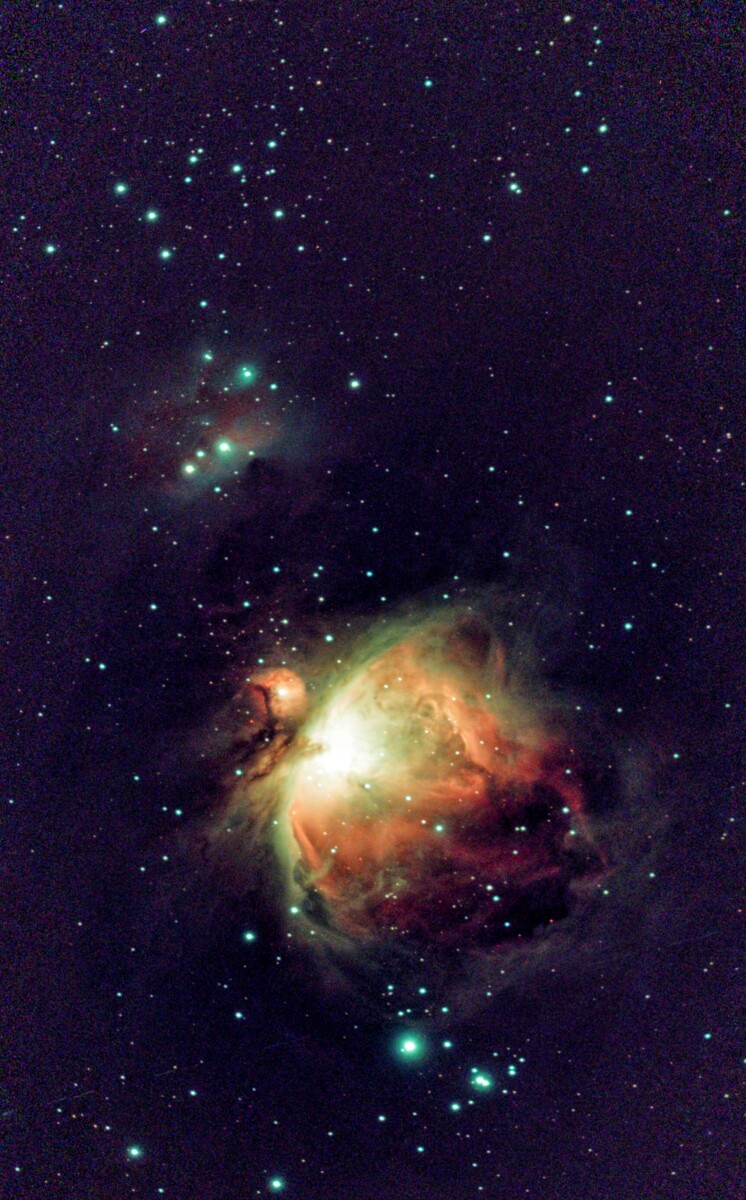
M42, Orion Nebula
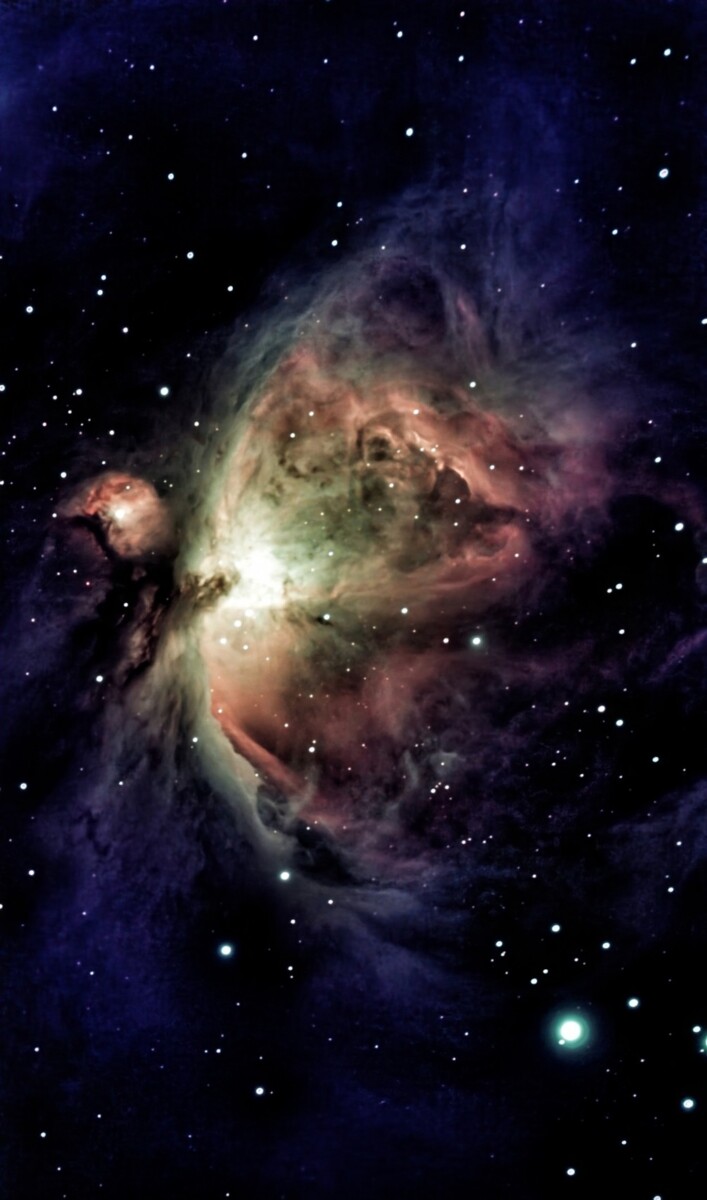
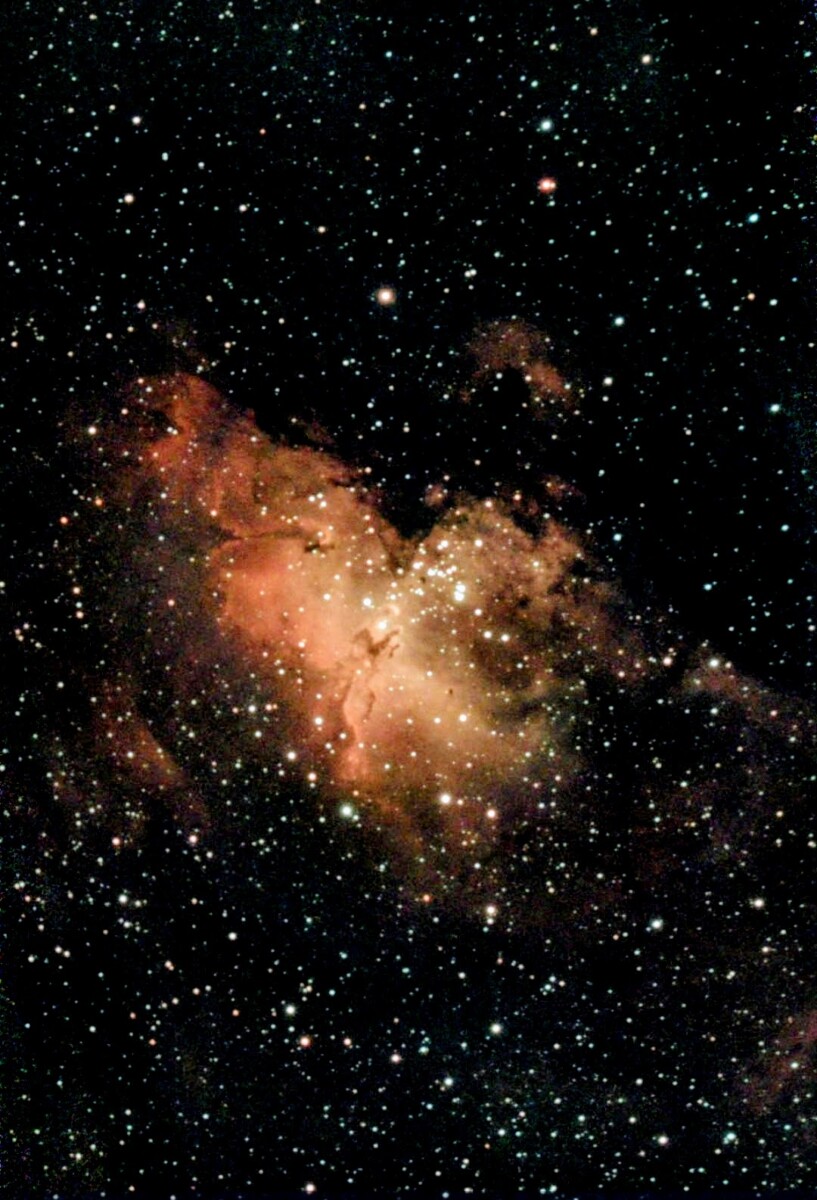
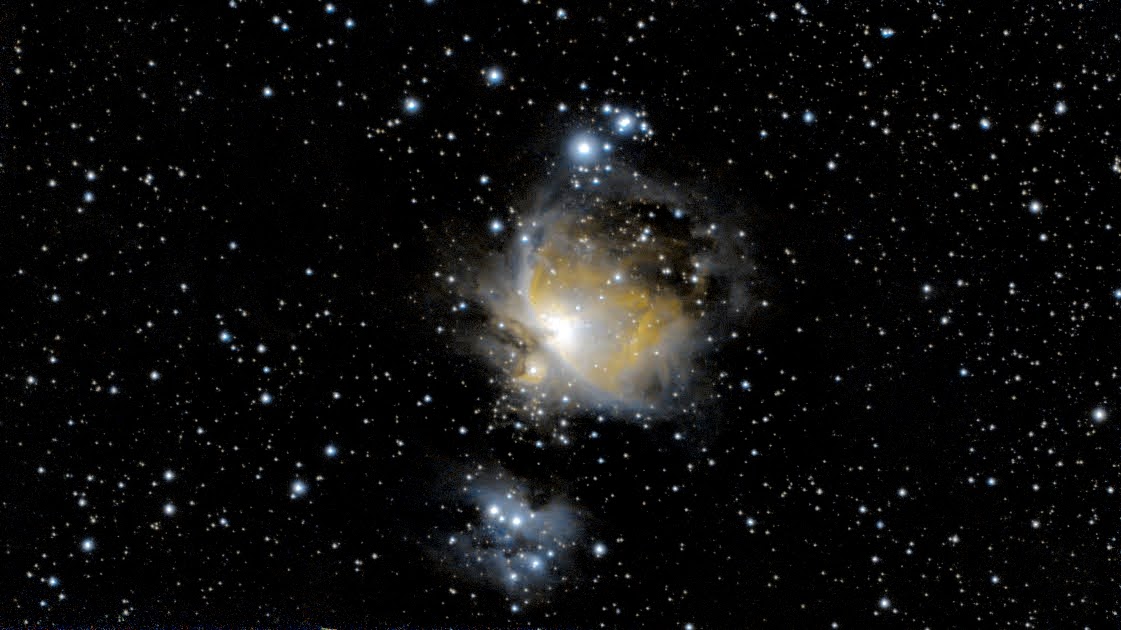
A cosmic masterpiece! This breathtaking image of the Orion Nebula (M42) was captured with a Dwarf 3 telescope. Over 25 minutes of light, gathered in 100 individual exposures, unveil the swirling clouds of gas and dust where stars are born.
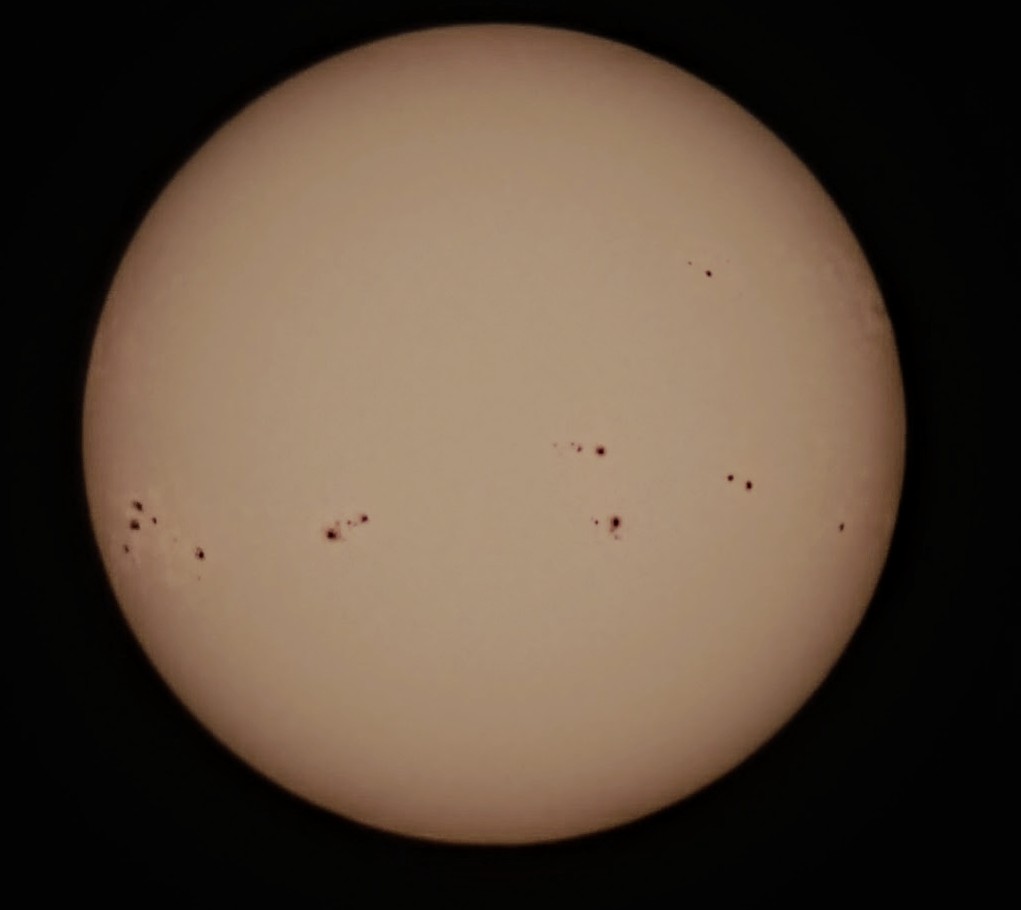
Sun January 2025
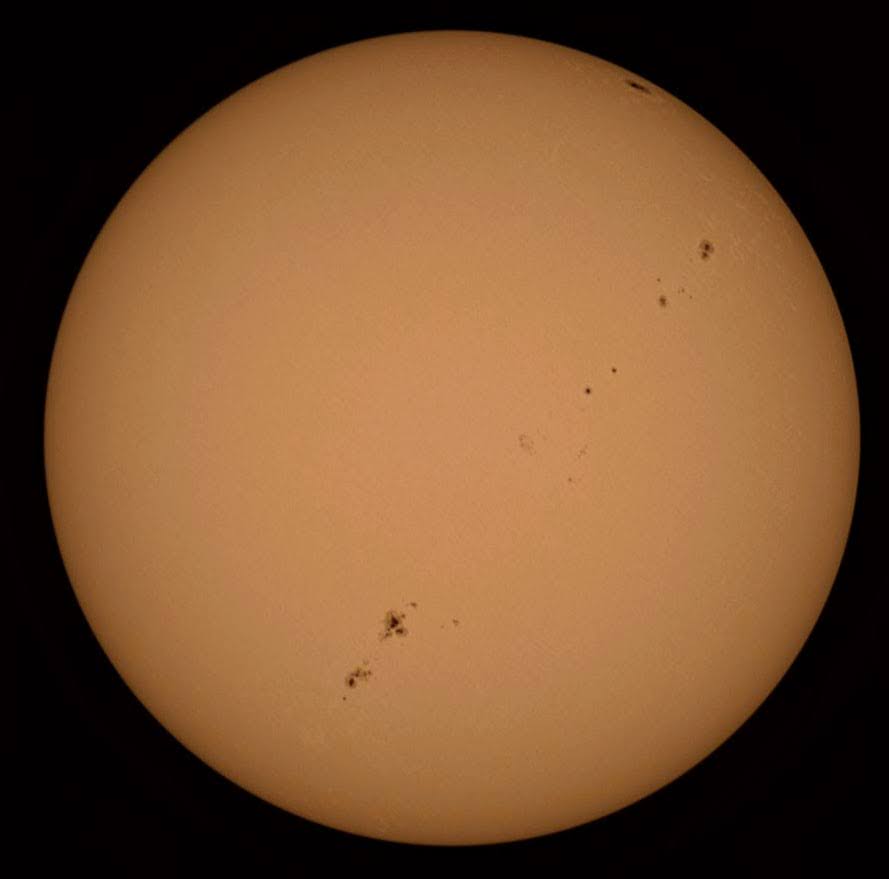
As the new year of 2025 begins, our Sun continues its dynamic cycle of activity, showcasing fascinating features like sunspots and their surrounding bright areas. This image, captured with the Seestar S50, provides a glimpse into these solar phenomena.
Sunspots: Cool Patches on a Fiery Star
Those dark blemishes on the Sun's surface are sunspots, regions of intense magnetic activity that are cooler than their surroundings. Despite being cooler, they are still incredibly hot, with temperatures reaching around 6,500 degrees Fahrenheit!
Faculae: Bright Companions to Sunspots
Surrounding the sunspots are brighter areas known as faculae. These regions are hotter and denser than the surrounding solar surface, and they are often associated with increased magnetic activity.
The Sun's Dynamic Nature
The Sun is a constantly changing star, and its activity varies over an 11-year cycle. During periods of high activity, more sunspots and faculae appear, and the Sun emits more energy. This can lead to increased auroral displays on Earth and even disruptions to our technology.
Observing the Sun Safely
Remember, never look directly at the Sun without proper eye protection. Specialized solar telescopes or filters are essential for safe solar viewing.
Image Details:
Taken with: Seestar S50
Processing: Contrast and highlights adjusted with Google Photo
IC 1848
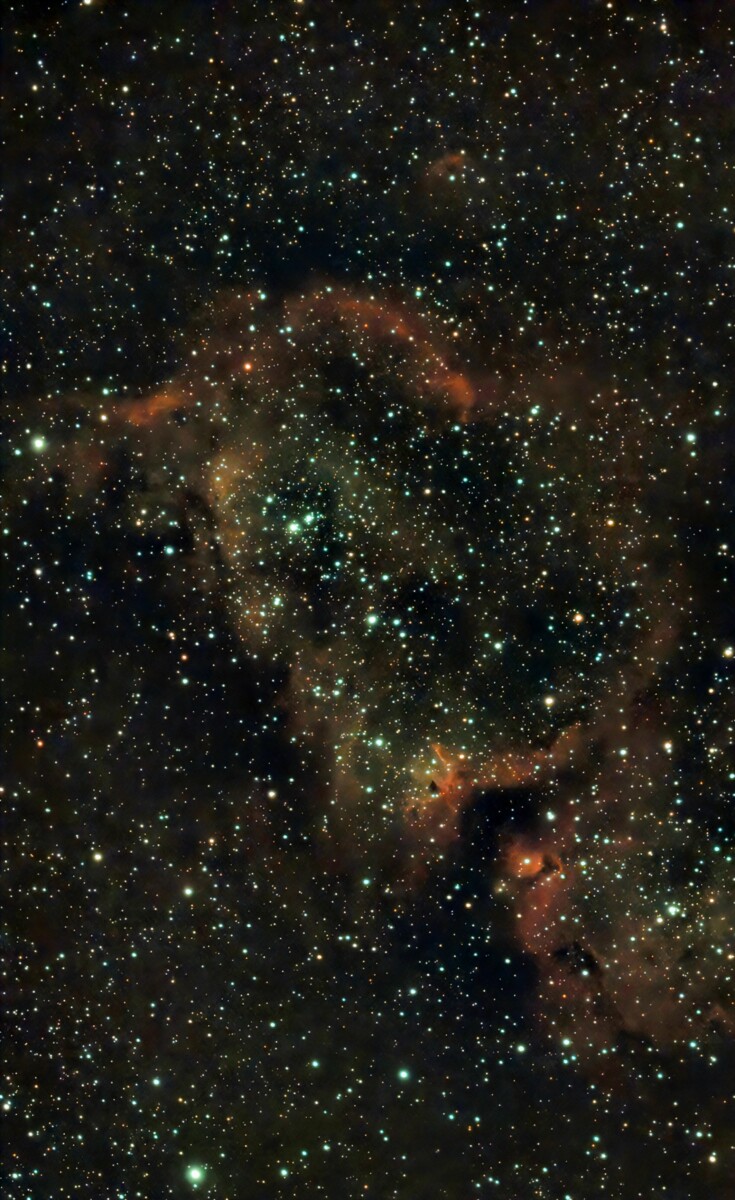
Cosmic Soul Captured ✨
Behold the ethereal beauty of the Soul Nebula (IC 1848)! This vast stellar nursery, located 6,500 light-years away in the constellation Cassiopeia, spans a staggering 100 light-years across. Its vibrant glow is powered by the intense radiation of young, hot stars nestled within, ionizing the surrounding hydrogen gas and causing it to emit this mesmerizing light.
This image, captured with my Seestar S50 over 81 minutes of exposure, reveals intricate details of the nebula's structure—delicate wisps of gas and dust illuminated by the newborn stars. A testament to the wonders hidden within our universe, waiting to be discovered and admired.
The images below are from the last few years. They don’t (yet) have descriptions but as time permits they will be updated.
To provide the best experiences, we use technologies like cookies to store and/or access device information. Consenting to these technologies will allow us to process data such as browsing behavior or unique IDs on this site. Not consenting or withdrawing consent, may adversely affect certain features and functions.
Functional
Always active
The technical storage or access is strictly necessary for the legitimate purpose of enabling the use of a specific service explicitly requested by the subscriber or user, or for the sole purpose of carrying out the transmission of a communication over an electronic communications network.
Preferences
The technical storage or access is necessary for the legitimate purpose of storing preferences that are not requested by the subscriber or user.
Statistics
The technical storage or access that is used exclusively for statistical purposes.The technical storage or access that is used exclusively for anonymous statistical purposes. Without a subpoena, voluntary compliance on the part of your Internet Service Provider, or additional records from a third party, information stored or retrieved for this purpose alone cannot usually be used to identify you.
Marketing
The technical storage or access is required to create user profiles to send advertising, or to track the user on a website or across several websites for similar marketing purposes.